Interview
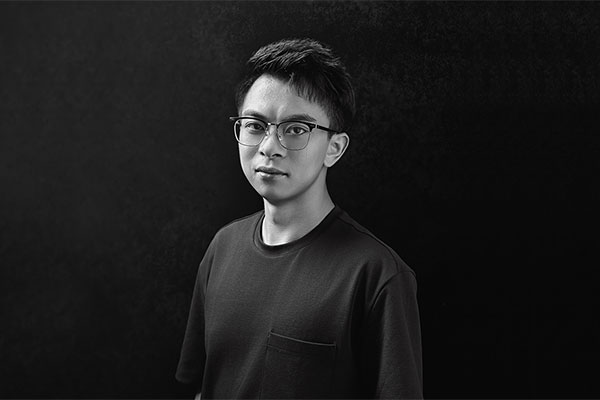
Sinong Wu
1 Congratulations on winning the MUSE Design Awards! Can you introduce yourself and share about what inspired you to pursue design as a career?
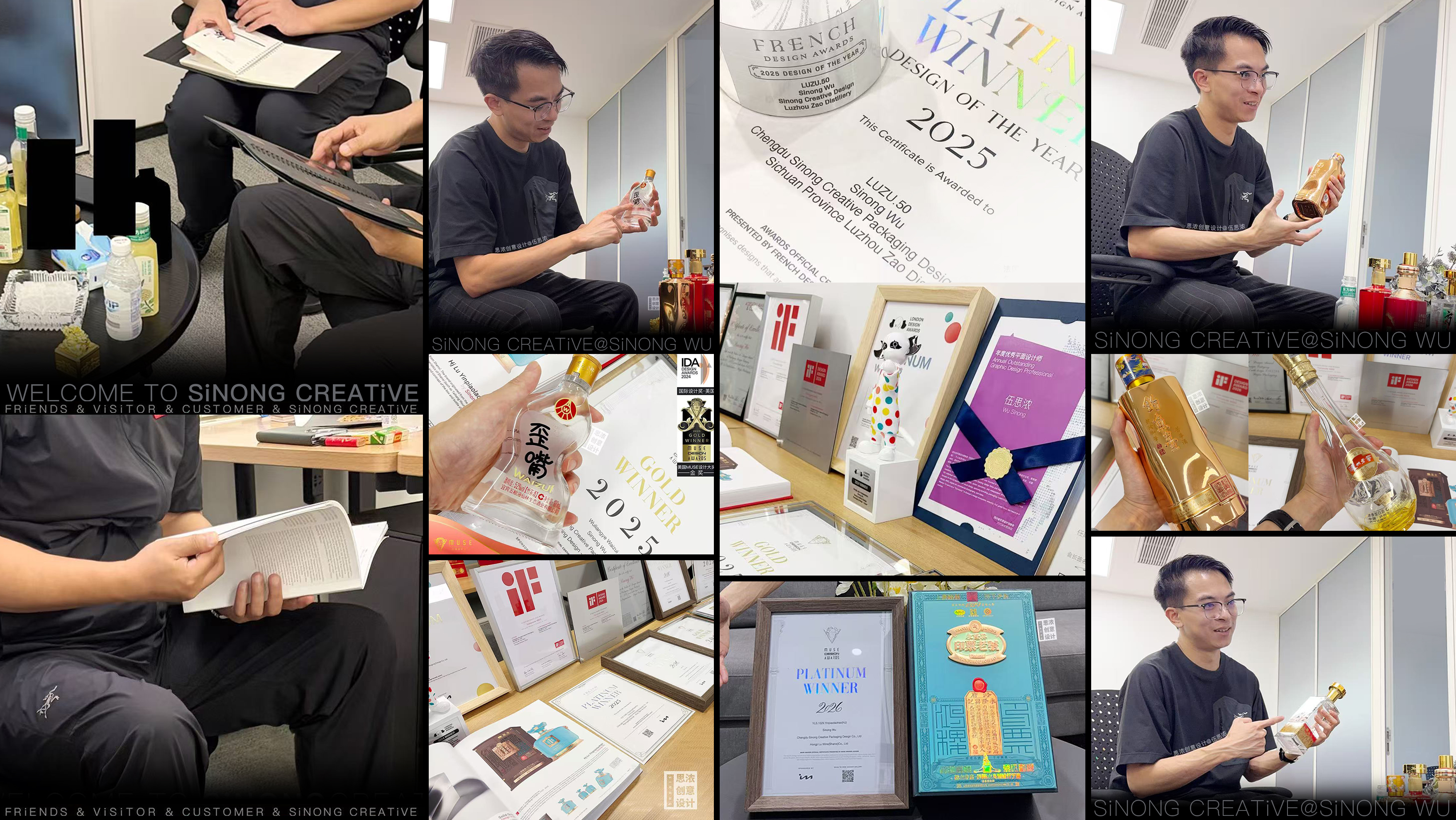
Thank you for your congratulations! It's such a pleasure to be back at the MUSE Design Awards again. My name is Sinong Wu, and I specialize in liquor packaging design and brand strategy. This year marks my 11th year working in the wine packaging design field. In China, I have been fortunate to provide packaging design and brand consulting services for many well known liquor brands, such as Wuliangye, Fenjiu, Luzhou Laojiao, Yongfeng, Lu Wine, Diaoyutai, and so on. Meanwhile, I am a member of the Sichuan & Fujian Graphic Designers Association of China, as well as a lifetime member of the International Association of Designers (IAD). Design is like a half opened door. As a designer, I can choose to push it open, letting more people feel the surprise and beauty conveyed through design! It allows me to cross cultural and language boundaries with visual language. For my clients, every time they entrust me with the design for their distillery, it means a sense of responsibility. After completing each project, looking at the PPT at the product launch event is a real treat for a designer. Especially the moment I see my design work achieve huge sales and gain recognition in the market, creating beauty and a bright future for the distillery from scratch, a strong sense of pride naturally wells up inside me!
2 What does being recognized in the MUSE Design Awards mean to you?
From 2025 to 2026, I have won over 24 international design awards (excluding shortlisted entries), among which 6 are MUSE Design Awards. For me at this stage, the MUSE Awards stand as a solid testament to my consistent and outstanding design capabilities. On a personal level, my industry influence has grown significantly. I have evolved from a designer focused purely on project execution to a guest speaker invited to industry forums and university lectures. As a MUSE Award recipient, I was honored as the Designer of the Year last year. This recognition not only helps spread my design philosophy to a wider audience, but also opens up broader possibilities for my career path. All participants in this award program are top tier design teams and outstanding designers from all over the world. Taking part in this award program gives me a clear, objective view of where I stand in the global design landscape. Every MUSE win is never just a stamp of approval for "good looking visuals." It represents multidimensional recognition of my work by a world class panel of top judges. It reassures me that all the effort I put into refining user pain points and polishing tiny design details deep in every project has not gone to waste. These efforts have truly hit the core criteria of what defines great design. Winning never marks the end of my creative journey. Instead, it fuels my next round of creation and acts as the very "starting line" that keeps pushing me to pursue consistent excellence in design!
3 How has this achievement impacted your career, team, or agency, and what opportunities has it brought so far?
The award program has greatly boosted my reputation and competitiveness in the design industry and brought me far more opportunities. I have received invitations to academic design forums, and a large number of potential clients have noticed my work. It saves me a huge amount of unnecessary communication costs that used to be spent repeatedly proving my abilities, allowing me to redirect most of my energy back to the design itself. These awards have become a solid "golden brand" for me. Client trust in my work has increased significantly, and the overall quality of every project has seen a noticeable improvement. I have gradually grown from a pure design service provider into an industry contributor who can share and communicate systematic design methodologies. For Sinong Creative, many top young designers in the industry have proactively submitted their resumes to join the team, which has rapidly elevated the overall creative strength of the studio. These award winning achievements have brought very tangible positive changes to my personal career path, team growth, and studio development, and have gradually opened up opportunities that were completely out of reach for me before.
4 What role does experimentation play in your creative process? Can you share an example?
Experiments turn abstract inspiration into tangible reality. Many vague ideas hidden in my mind can only be transformed into perceptible visual and tactile effects through hands on experiments, which prevents the final finished product from being drastically disconnected from the original creative concept. For me, experimentation is never an "additional step" in creation. Instead, it acts as the core engine of the entire design process. It helps me break away from habitual thinking rooted in past experience and even uncovers creative directions that far exceed my initial expectations. In these two award winning designs, I used 3D printing as an experimental method to verify my design solutions. For the Yongfeng·Jinghe Liquor project, the original design on the back of the bottle featured the Chinese character "he" from the brand name, paired with a crane pattern. After 3D printing tests, we found this solution was not ideal. Due to the manufacturing properties of glass, overly dense and tiny details could hardly be presented clearly. In the final design, we adopted the Chinese character "jing 京." It is a perfectly symmetrical character in Chinese, which remains highly recognizable even when mirrored. The highlights of many classic designs come from the "unintended results" of experiments. These accidentally generated details often become the most touching and unique memorable elements of the work. For the MiOKAiDi Wine design, the product is fermented from natural fruits and grains. Under natural conditions, the fruit color of each batch varies slightly, which also leads to subtle differences in the color of the finished wine. Through multiple rounds of experiments, we finally settled on two colors: a purple tinged hue and a bright mango yellow. These two colors can balance the color differences between different batches of wine, presenting the product to consumers in a more refined state. Advance prediction through experimental methods helps avoid unnecessary waste of time and energy and delivers works that let users touch and feel the local cultural warmth.
5 What's the most unusual source of inspiration you've ever drawn from for a project?
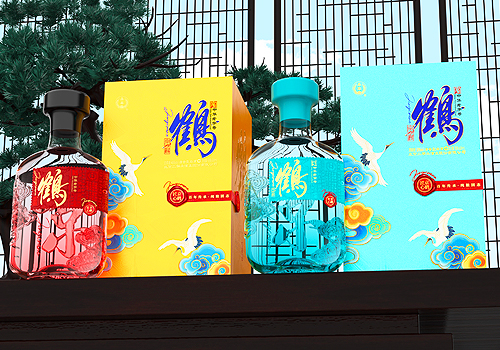
Inspiration is the catalyst and soul of design! A great spark of inspiration helps brands develop truly differentiated creative ideas and avoid the homogeneous stacking of overused generic symbols. Yongfeng Jinghe Liquor originates from Beijing. Most Beijing spirits on the market suffer from severe homogenization in appearance design, and many of them follow a "copy and paste" approach that directly adopts Beijing landmarks such as the Temple of Heaven and the Forbidden City. Consumers have long grown visually tired of such designs. I extracted the unique color palette from Peking Opera, a core part of Beijing's regional culture, and integrated it with the traditional Chinese auspicious cloud pattern to create the final design. It preserves traditional cultural heritage while bringing fresh innovation, building a design aesthetic and visual language of "new Chinese artistic conception." It conveys the premium quality of the product, widens the gap with competing products, and makes the work stand out sharply in the market. The pronunciation of "MiOKAiDi" in Chinese sounds just like the meow of a cat. In modern households, cats have gone far beyond the simple role of pets and have become a key element of emotional connection, psychological comfort, and even lifestyle shaping among family members. I drew the brand mascot, a naughty, cute, and energetic little cat, with a single continuous line. It acts as the brand's exclusive spokesperson and also becomes the "super visual symbol" that leaves the deepest impression on consumers of the product and brand. This "single line cat" connects with consumers by conveying the brand's concept of coziness and relaxation: enjoy a glass of MiOKAiDi wine to unwind after a busy day at work and create a light, pleasant, and relaxing visual experience. An extraordinary inspiration is the "key to breaking the deadlock" in design. It turns the 0 to 1 creative idea from empty imagination into a tangible work with warmth and memorable highlights, and completely breaks free from the industry's trap of homogenization.
6 What’s one thing you wish more people understood about the design process?
Design is essentially a process of "rational thinking." More often than not, those award winning works that look stunning at first sight are not born from a single sudden flash of inspiration. Instead, they are the result of repeated demand sorting, dozens of rounds of material trial and error, and countless rounds of polishing on every implementation detail. Before picking up the pen to draw, I spend a large amount of time sorting out the current situation of the brand and the distillery, packaging material costs, target audiences, and sales scenarios, making the core question, "what problem needs to be solved," completely clear. All visual expressions must serve this core goal. Finishing the design draft is far from the end of the whole process. I also need to predict all implementation details in advance: What production process should I adopt? Will the packaging material deform under different temperature and humidity conditions? Can the printed colors perfectly reproduce the effect on the screen? Any tiny mistake in these areas will waste all the previous creative work and cause economic losses to the client. Visual appeal is only one of the criteria for evaluating design, not the whole picture. The most critical standard is whether the original goal is achieved: Can consumers understand the core information? Can the work convey what the distillery and the brand want to express? Can it ultimately help the brand realize its commercial value? In the real design process, most of the time is spent on those "unseen places."
7 How do you navigate the balance between meeting client expectations and staying true to your ideas?
The essence of this issue actually lies in the client's doubts about the designer's credibility and professional competence. As a designer, you need to fully grasp the underlying problems of the project, which makes early stage communication particularly critical. Wine products in China feature diverse flavor profiles and distinct wine cultures, and different regions also have varied preferences for flavors. Before the project kicks off, I never start with superficial topics like design styles or decorative elements. Instead, I first align with the client on three core questions: Who is this design made for? In which region will the product be sold? What is the final commercial goal to achieve? At the brand level, I conduct in depth analysis of competing products and carry out interviews with target liquor consumers to understand their thoughts and feelings during the purchasing process. I also visit local liquor stores in the target sales region to verify whether the product has an existing consumer base in that market. After all parties are fully aligned on the goals, you can shift from passive demand reception to active professional guidance, demonstrate your professional competence, and translate the client's demands into professional design language. You will find that most of the creative ideas you insist on will be readily accepted by the client.
8 What were the challenges you faced while working on your award-winning design, and how did you overcome them?
One of the key challenges I encountered during the design of these two award winning works came from the mass production process. For the Yongfeng Jinghe design, the diagonally opening box structure posed a major anti counterfeiting challenge. Ordinary anti counterfeiting stickers were easily damaged during subsequent storage and transportation. We completely redesigned the anti counterfeiting solution by combining 3D wax seal craftsmanship with a ribbon. When consumers open the box, they get a strong sense of ritual while completing the product anti counterfeiting verification, which perfectly solves the damage problem of ordinary anti counterfeiting stickers. The varying mastery of production techniques among different packaging manufacturers also presents a huge challenge to design execution. For the MiOKAiDi Wine design, the distillery attached great importance to product environmental friendliness and portability, while also requiring a strong sense of ritual. Through in depth communication with the distillery's packaging supply chain, I fully understood the production processes the manufacturer was proficient in. Within their technical capabilities, I proposed a "one piece folding" box design. This structural design makes the production process fast and convenient while retaining the ceremonial feeling brought by traditional gift boxes. A woven rope is added to the side of the box to make the whole carrying experience easy and effortless, which reduces the use of extra shopping bags and fully demonstrates the brand's social responsibility and environmental awareness. These challenges have never been obstacles on the way to winning awards. On the contrary, they pushed me out of the comfort zone of "just making a visually pretty picture" and finally helped me create works that can truly solve practical problems while having unique, memorable highlights. This is also a shared trait of award winning designs.
9 How do you recharge your creativity when you hit a creative block?
"Relaxation + Cross Disciplinary Thinking + AI = The Optimal Solution" Take a break, explore content that sparks your interest, or even step out for a cup of tea. Never rush for quick results. Great design always requires patient refinement. Hold brainstorming sessions with designers on your team, where creative ideas collide with each other, and you may find the perfect way to break through creative blocks. Most designers tend to focus on outstanding work within their own industry. I highly recommend exploring design outside the packaging field. For example, I often dive into cross disciplinary creations such as architecture, sculpture, and art installations. These sources not only bring brilliant inspiration, but also help you build your unique personal design style. I also try to use AI to generate creative sketches, then extract the most brilliant highlights from these sketches and apply them to my final design work. You can never fully trust the content generated by AI. For designers with deep industry expertise, AI still lacks sufficient in depth understanding of the wine packaging design field for now. It works more like a design assistant, which needs experienced professional designers to polish and perfect its output. Of course, I will even communicate and discuss ideas with my clients. Clients are the "designers" who know their own products best, and they may bring you completely fresh perspectives. Such communication is also a highly effective way to break through creative obstacles. All these methods help break the mental deadlock and eventually turn into unique, eye catching highlights in your final design work.
10 What personal values or experiences do you infuse into your designs?
In China, I have been fortunate to serve multiple wine brands across the country, ranging from the northern brand Niulanshan to the southwest based Wuliangye. My core design philosophy has been shaped by deeply integrating regional culture. I never pile up superficial cultural symbols, but dig into the underlying emotional texture of the local land, so that the moment users touch the packaging, they can feel the tangible warmth and context of local culture. You can clearly see my "values and experience" embodied in the design of Yongfeng Jinghe. By refining elements from Beijing's Peking Opera culture and combining them with "crane culture" and "auspicious cloud culture," this design helps the product break out of the homogeneous design trap in the industry and creates unique, memorable creative highlights that belong exclusively to the brand. "Visual appeal" is only part of a great design. For this award winning MiOKAiDi design, we developed the creative solution based on a full understanding of the client's production and supply chain situation. I embedded the experience accumulated from countless material trials, process verifications, and supply chain communications into every single detail of the work. This allows the final design to be perfectly implemented, effectively avoiding various practical pain points in mass production, such as material deformation and color deviation, and truly delivering actionable commercial value for the client. All these values come from my years of deep immersion in the local design scene and the wine industry. They turn every design from a visually appealing draft into a tangible, warm work that can truly resonate with users, solve practical problems, and bring real business growth to the brand.
11 What is an advice that you would you give to aspiring designers aiming for success?
"Industry Focus + High Level Competitions + Commercial Value" Concentrate on the field you are rooted in. Human energy is limited. As a designer, only by maintaining continuous focus on a small niche can you achieve consistent breakthroughs and gain widespread recognition in this specific domain. Participating in top tier design competitions helps you sustain your capabilities and motivate yourself to keep moving forward. No matter what the final result is, you can clearly see where your design competence stands in the industry and get the chance to learn from truly world class, exceptional design work. Keep deepening your roots in your industry. Great design is only part of success. Only design that can deliver tangible commercial value for clients is work that can truly gain a firm foothold in the industry. When you get all these things done properly, you will be delighted to find that honors and business success never conflict with each other. Clients will naturally come to you after hearing about your reputation! Designers who can go the farthest in this industry are creative problem solvers who can solve real, practical problems.
12 If you could collaborate with any designer, past or present, who would it be and why?
When I saw this question, I thought of many renowned designers and design masters. I once dreamed of collaborating with Japanese designer Kenya Hara and the cross disciplinary design maverick Thomas Heatherwick, but they always seemed to carry a certain sense of "distance" from me. This time, my choice falls on Liu Jiakun, a designer from my hometown of Chengdu. He can create works with the strongest emotional impact using the most plain and unadorned materials. After the Wenchuan earthquake, he made "recycled bricks" from materials salvaged from the ruins, turning painful memories into architectural carriers that convey tangible warmth. His unpretentious designs deliver works that strike straight to people's hearts. His Xicun Courtyard uses a "hot pot style" circular space, sealing the everyday hustle and warmth of old Chengdu directly into the architecture. Without piling up any overused symbols like pandas or gaiwan tea, every Chengdu local who steps into it can instantly find the familiar laid back vibe they know so well. Liu Jiakun's architectural designs are full of humanistic warmth, just like a "spatial novel" written with bricks and stones, with complete narrative clues hidden in every single detail. By collaborating with him, we can convey emotional connections through the original texture of the materials themselves. The moment users touch the packaging, they can feel the real warmth of the liquor brewing scene, extending the most authentic sensory experience of the distillery from the brewing space to the entire liquor packaging design. It conveys the design philosophy that spiritual enjoyment is also a form of "luxury."
13 What's one question you wish people would ask you about your work, and what's your answer?
Now that the Chinese liquor market is undergoing profound shifts, what do you see as its future direction? With Generation Z (the post 2000s generation) stepping into the core consumer group, "new experiences + rejuvenation" has become the central theme of China's liquor consumption. The entire Chinese liquor industry has seen a noticeable decline in sales over the past two years. I can clearly feel that the sector is going through a deep transformation, shifting from the old logic of "competing for luxury" to the new logic of "competing for real value." The most frequent topics I discuss with clients this year are innovation, breakthroughs, and new marketing models. This transformation is both a rare opportunity and a competitive battlefield. It will definitely give rise to a number of vibrant new brands, while some time honored traditional brands will gradually fade from the market. Under the current market landscape, the only way to unlock new commercial value is to pursue innovative breakthroughs and break away from outdated traditional frameworks. An era of creative design for the liquor industry is just around the corner!