2026 | Professional

Taitian Wagyu Cuisine
Entrant
ORSD Interior Renovation Co., Ltd.
Category
Interior Design - Residential
Client's Name
-
Country / Region
Gallery




About The Entry
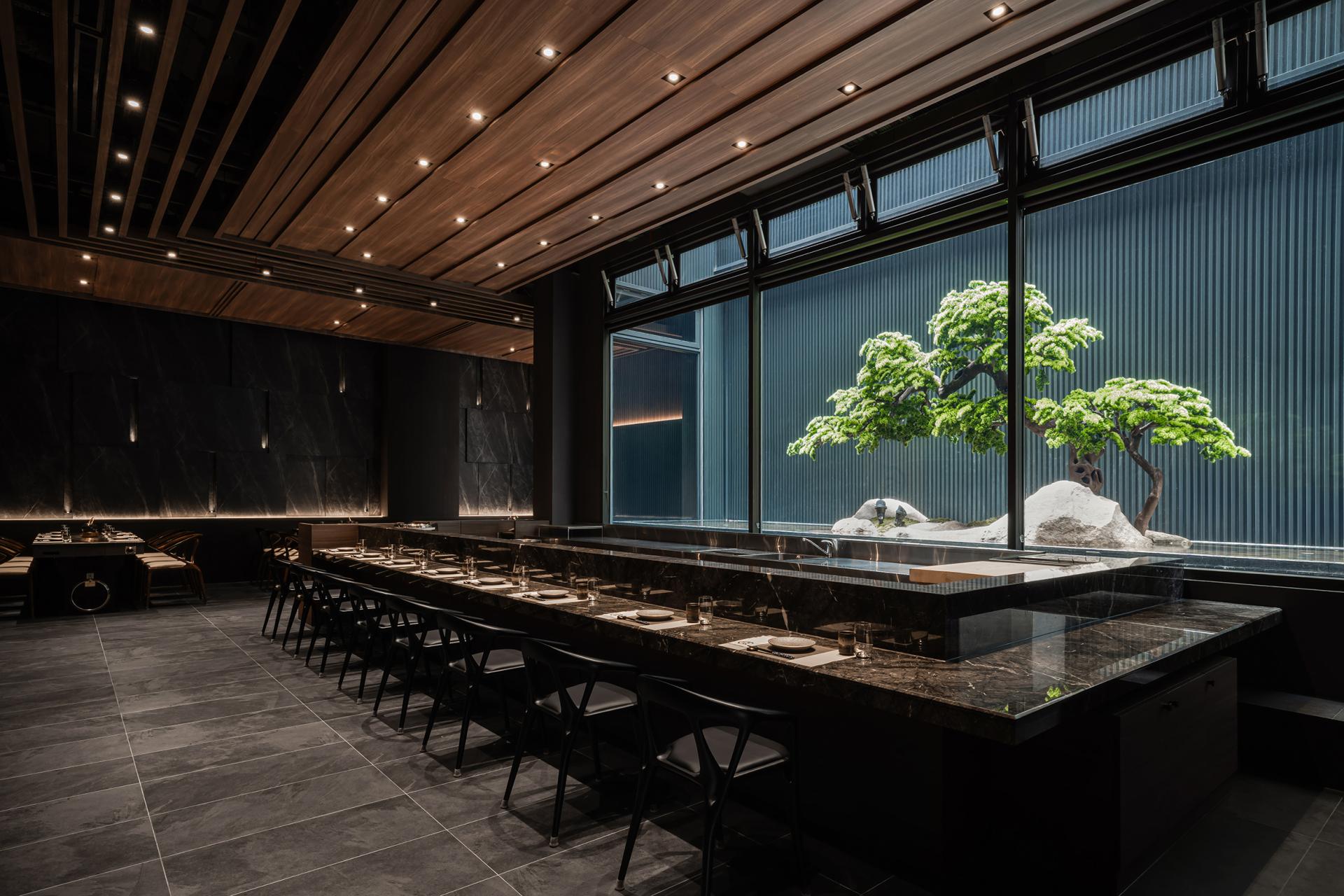
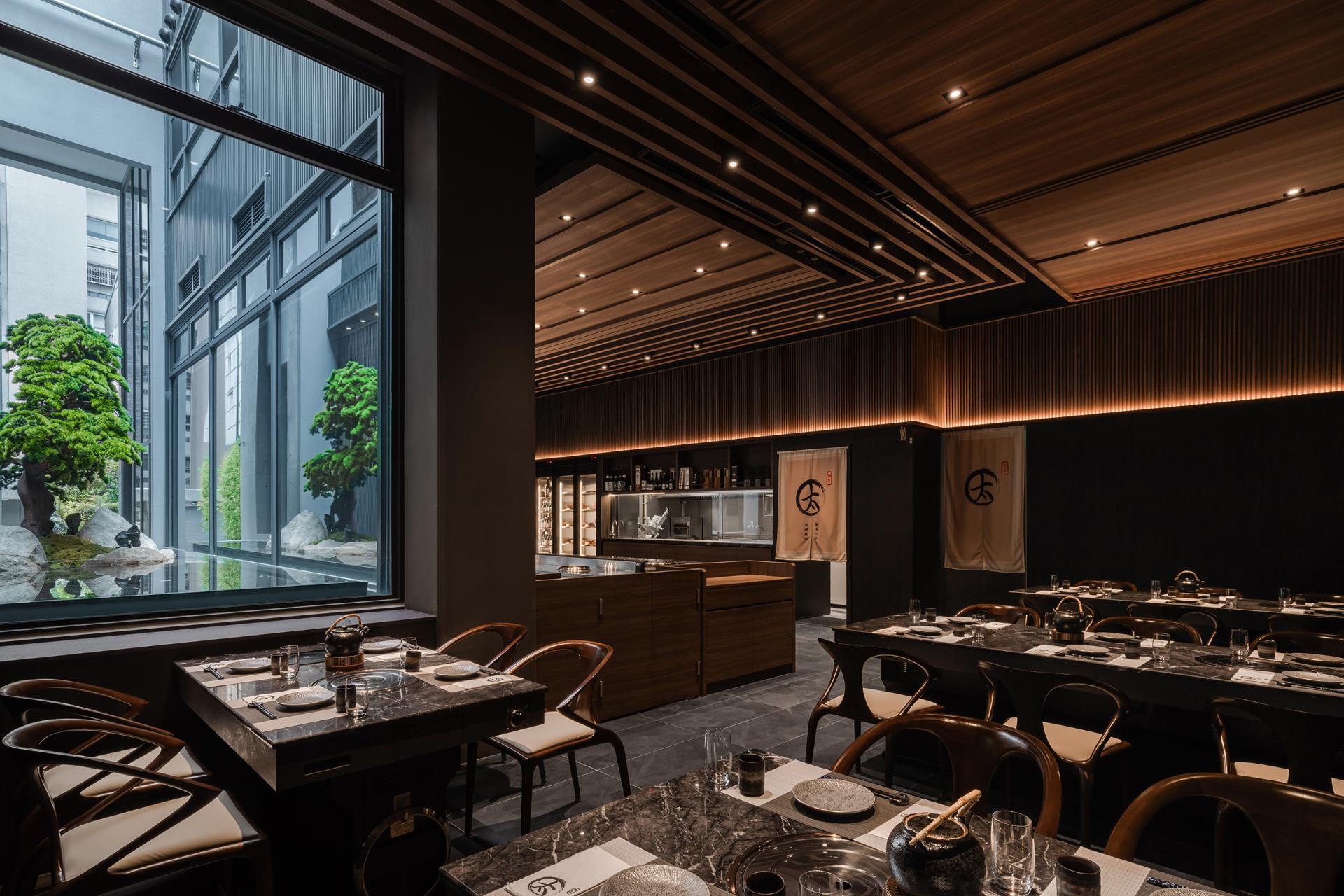
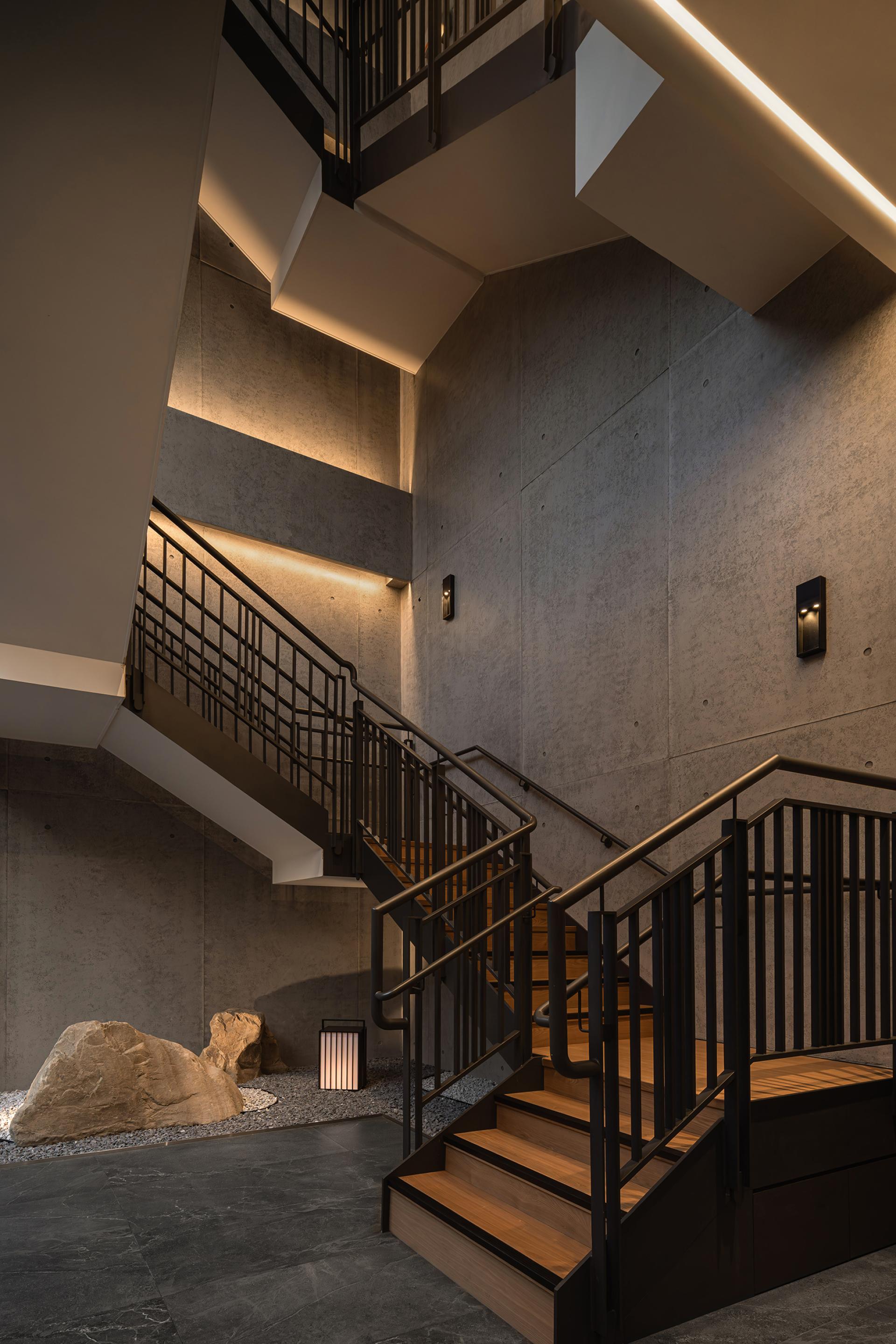
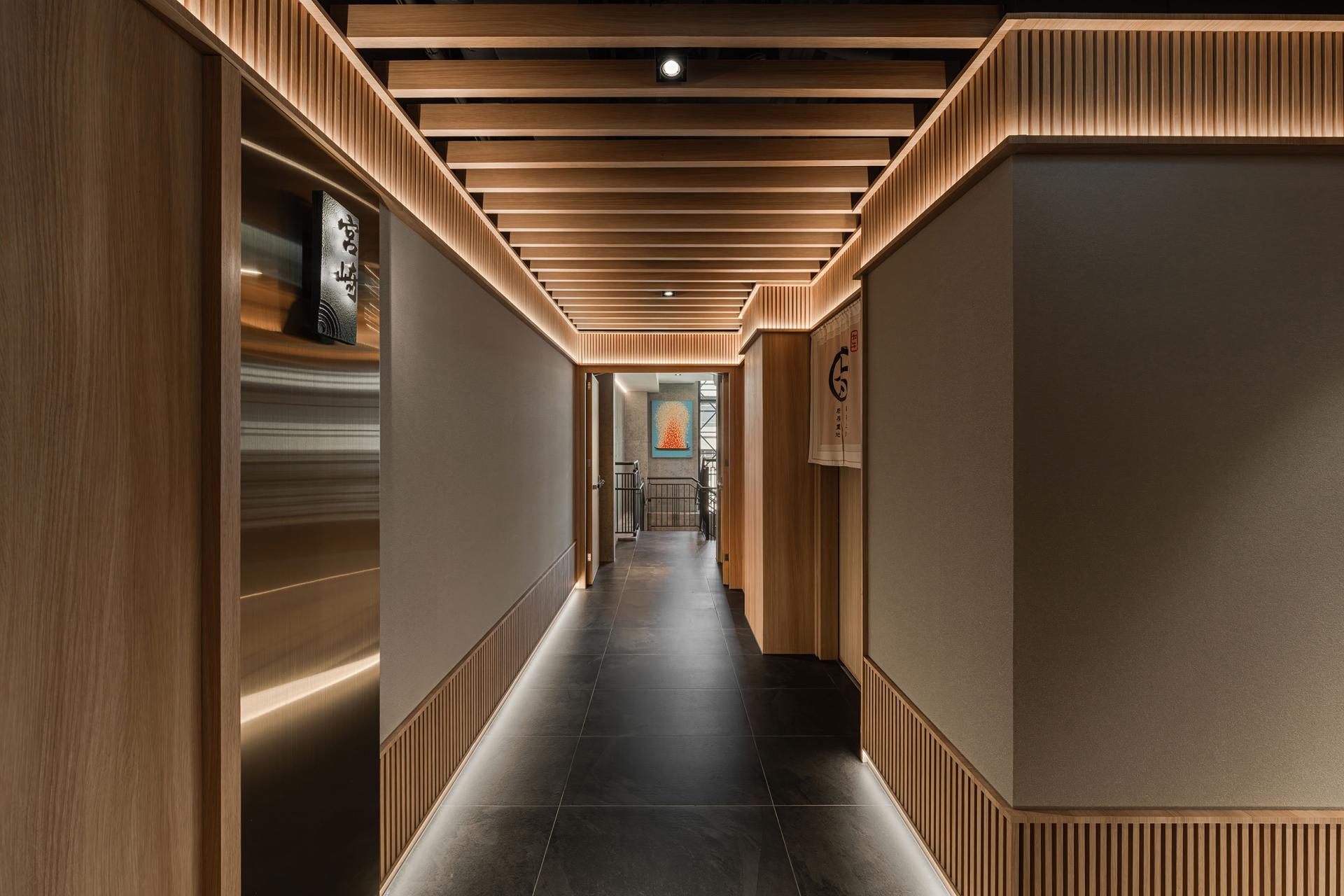
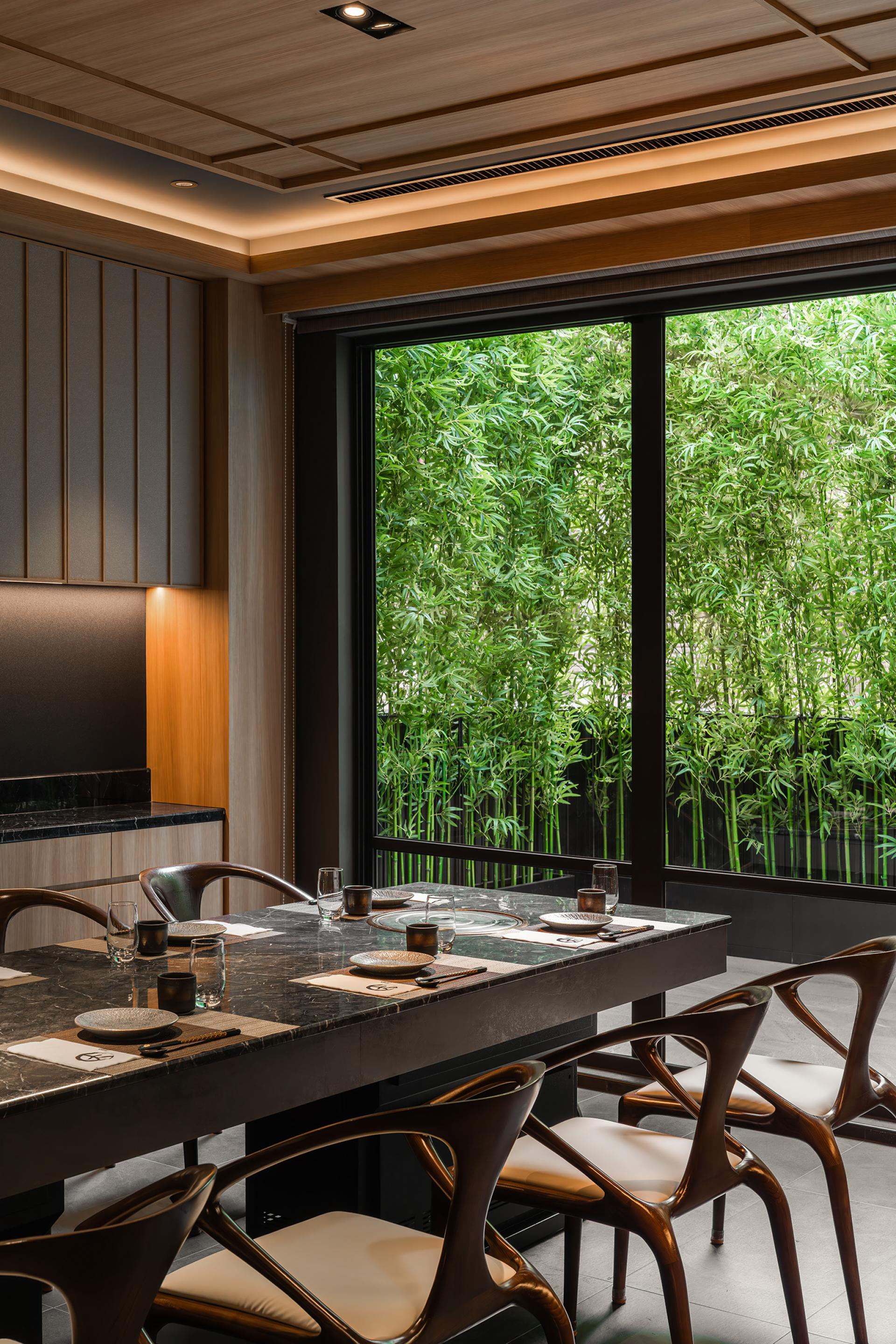
Taking full advantage of its self-built design, the project incorporates architectural systems from the inside out. Ventilation and exhaust ducts are seamlessly integrated into the structure, ensuring efficient air circulation and quick removal of cooking fumes. This careful coordination maintains excellent air quality throughout the dining area, while hidden access routes are kept for future inspection and maintenance. Circulation is accurately mapped, clearly separating front-of-house and back-of-house routes so staff and guests can move independently without interference. The lighting design follows this approach—favoring indirect lighting to keep a relaxed, gentle atmosphere. Brighter accents are used only where needed for function, guiding movement and improving safety without disrupting the restaurant’s calm tone. Through this balance of logic and sensitivity, the design merges technical precision with emotional depth, creating a dining environment that feels both reassuring and composed—a modern sanctuary where efficiency and serenity coexist in quiet harmony.
The design rejects ornamental excess, opting instead for quiet restraint that allows materials to speak for themselves. By reducing unnecessary decoration and waste, the space embraces the raw honesty of wood, stone, and concrete. Their natural tones set a calm, understated backdrop against which the dishes take center stage—an elegance born not of luxury, but of intention. A shallow reflecting pool rests at the building’s edge, its still surface mirroring the softness of light and foliage. Beyond evoking the spirit of wabi-sabi, the water also serves a practical role: it cools the air through evaporation, while nearby trees filter sunlight and temper the building’s warmth. Together, they create a microclimate that breathes with the rhythm of nature. Throughout the project, energy-efficient LED lighting and durable, low-maintenance finishes reflect a steady commitment to sustainability. The result is more than a dining establishment—it is a gesture of respect toward the city itself. The façade’s quiet harmony invites passersby to pause, to photograph, perhaps to linger for a while. In doing so, the restaurant becomes part of the city’s living scenery—a modest landmark that adds warmth, grace, and meaning to the urban landscape.
Credits
Entrant
Uhouse design
Category
Interior Design - Residential
Entrant
EPD Japan Design & Engineering
Category
Interior Design - Office

Entrant
金帽子科技(深圳)有限公司
Category
Interior Design - New Category

Entrant
Shanghai Jiao Tong University
Category
Transportation Design - Last-Mile Mobility (NEW)