2025 | Professional

Museum of Weather
Entrant
HAN MENG
Category
Architectural Design - Sustainable Living / Green
Client's Name
-
Country / Region
United States
Gallery
About The Entry
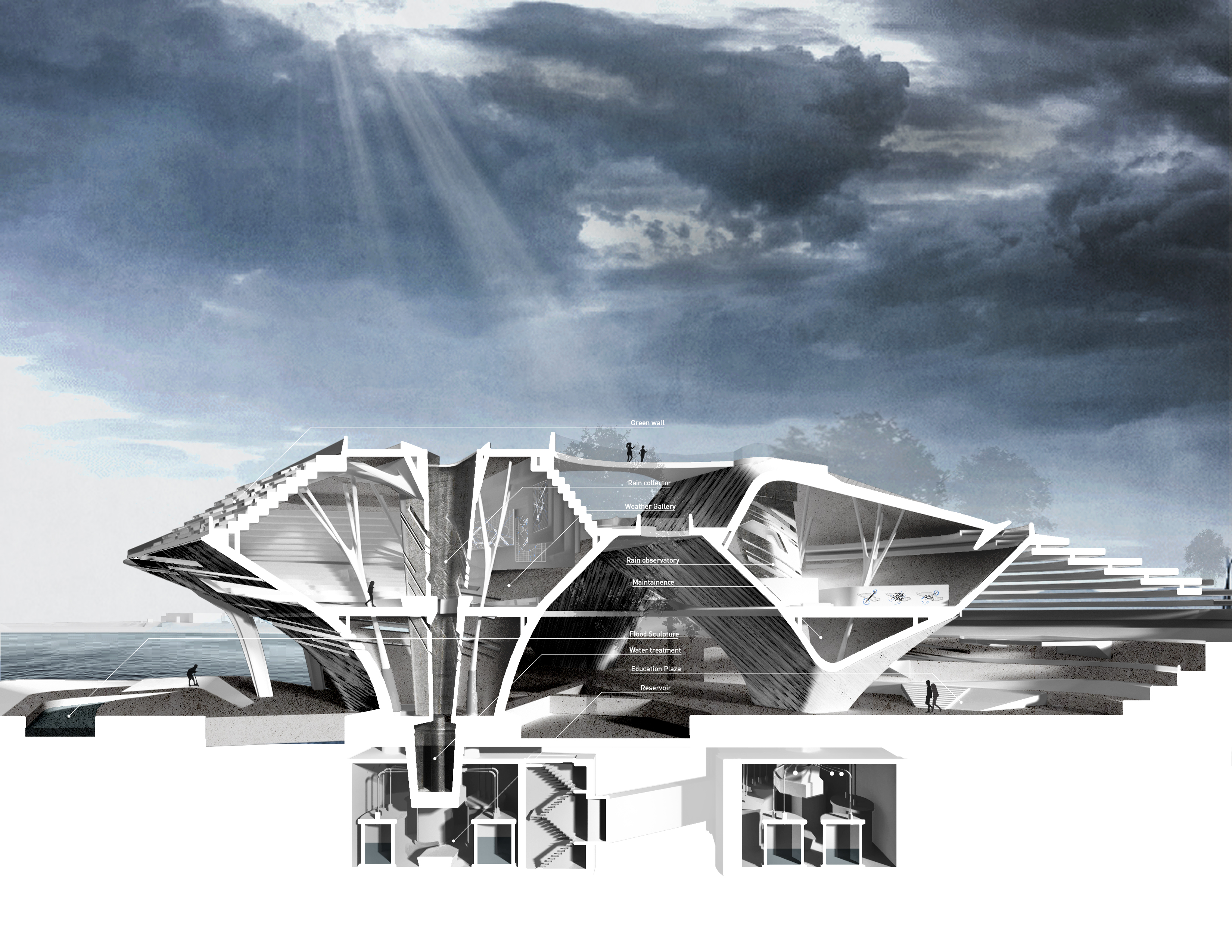
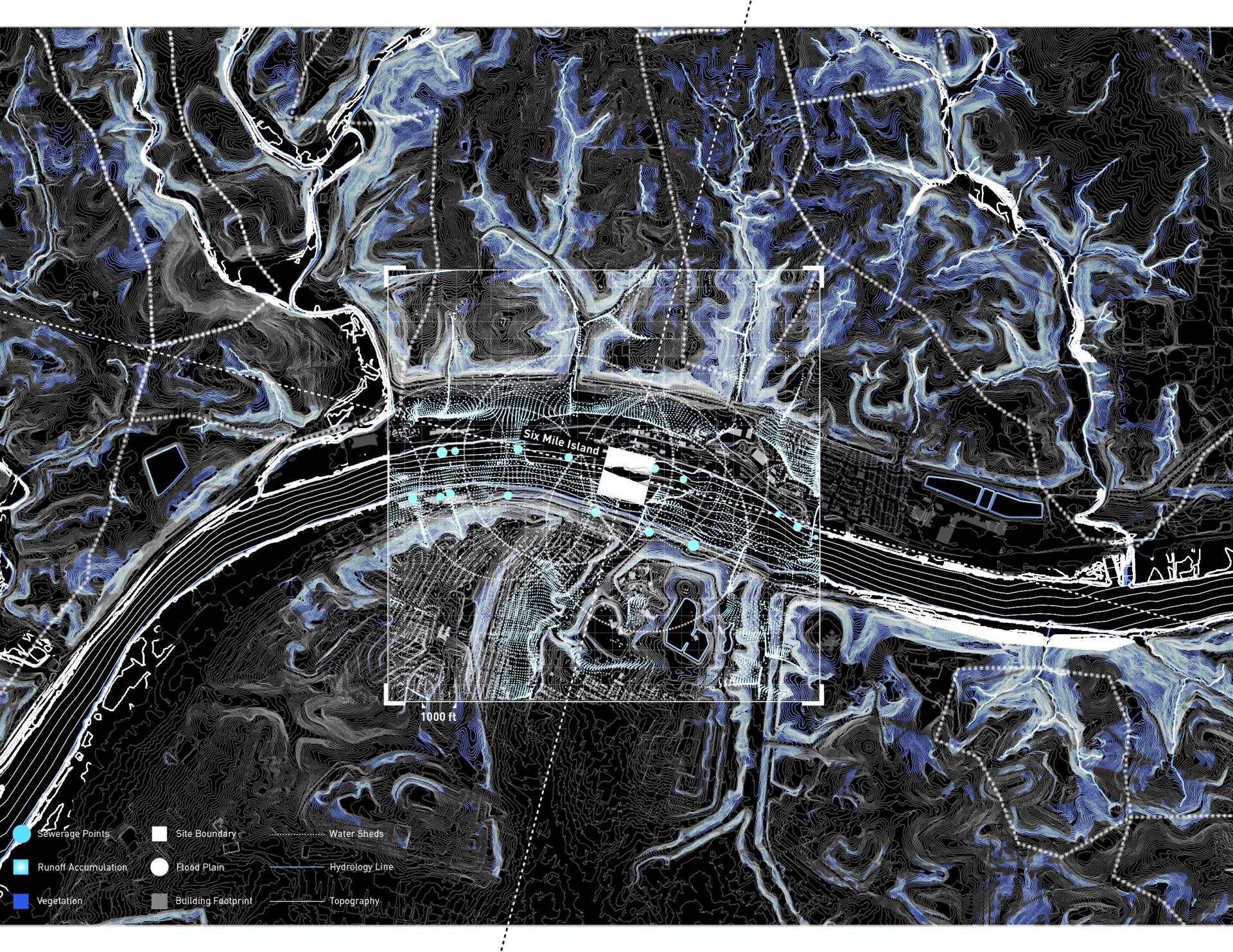
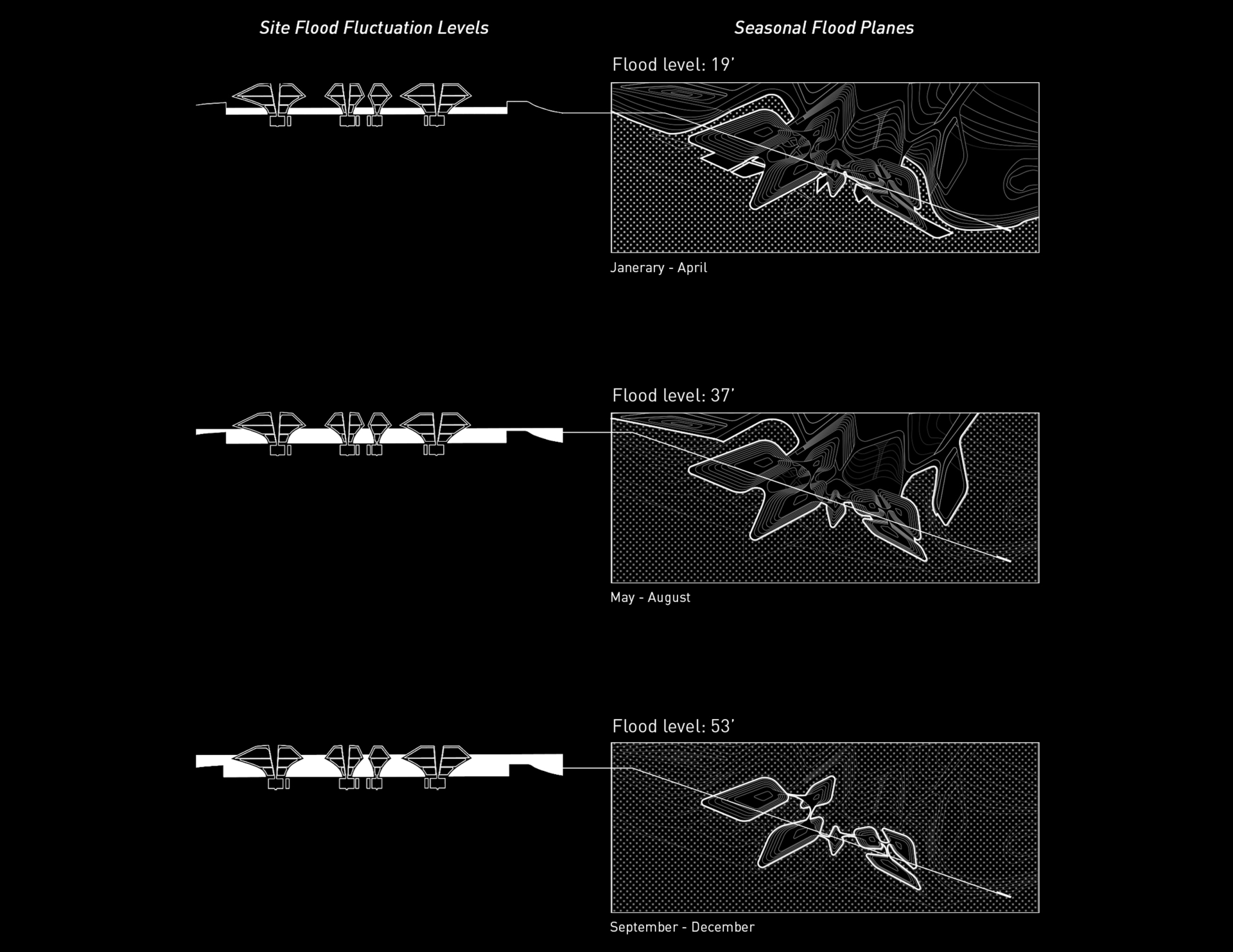
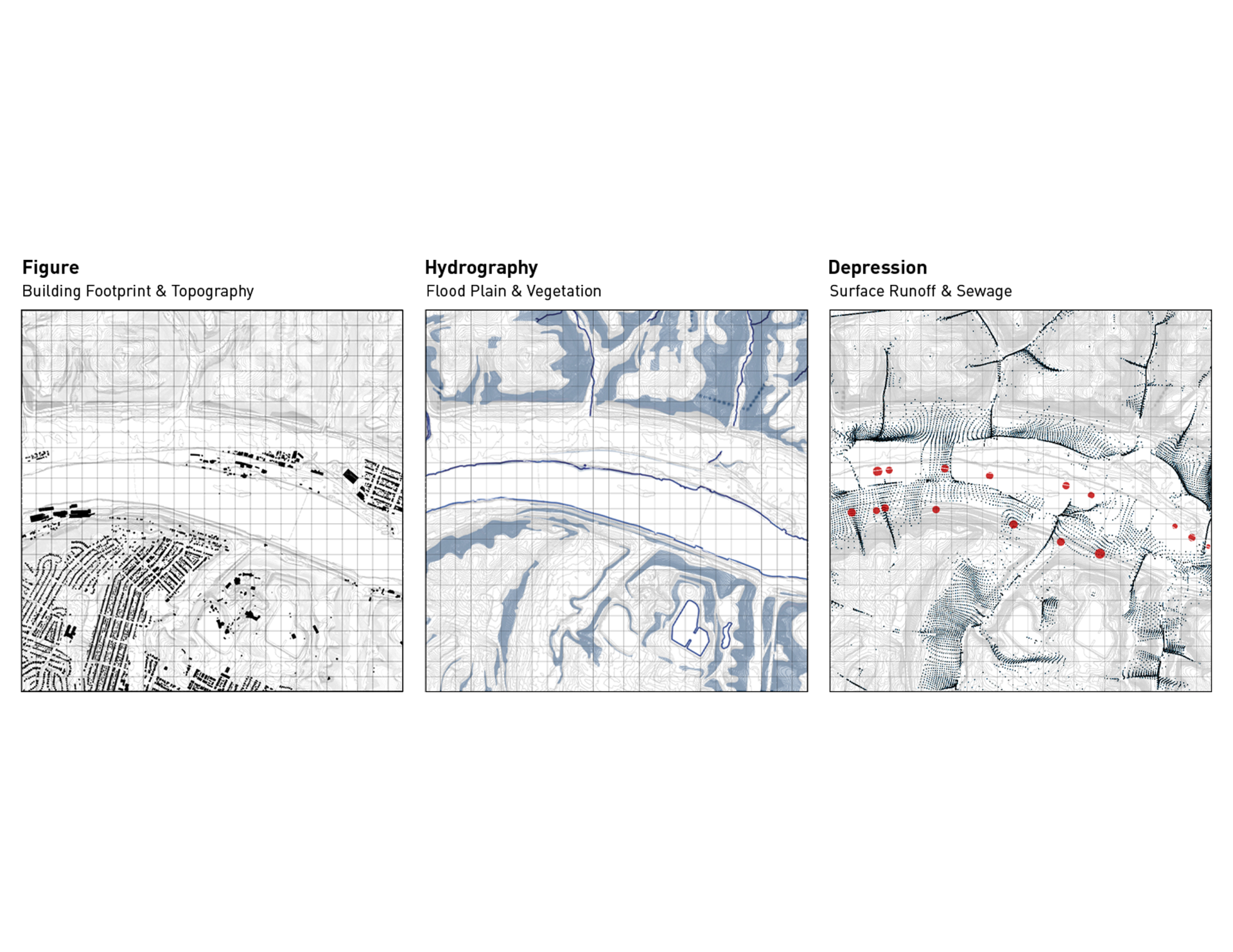
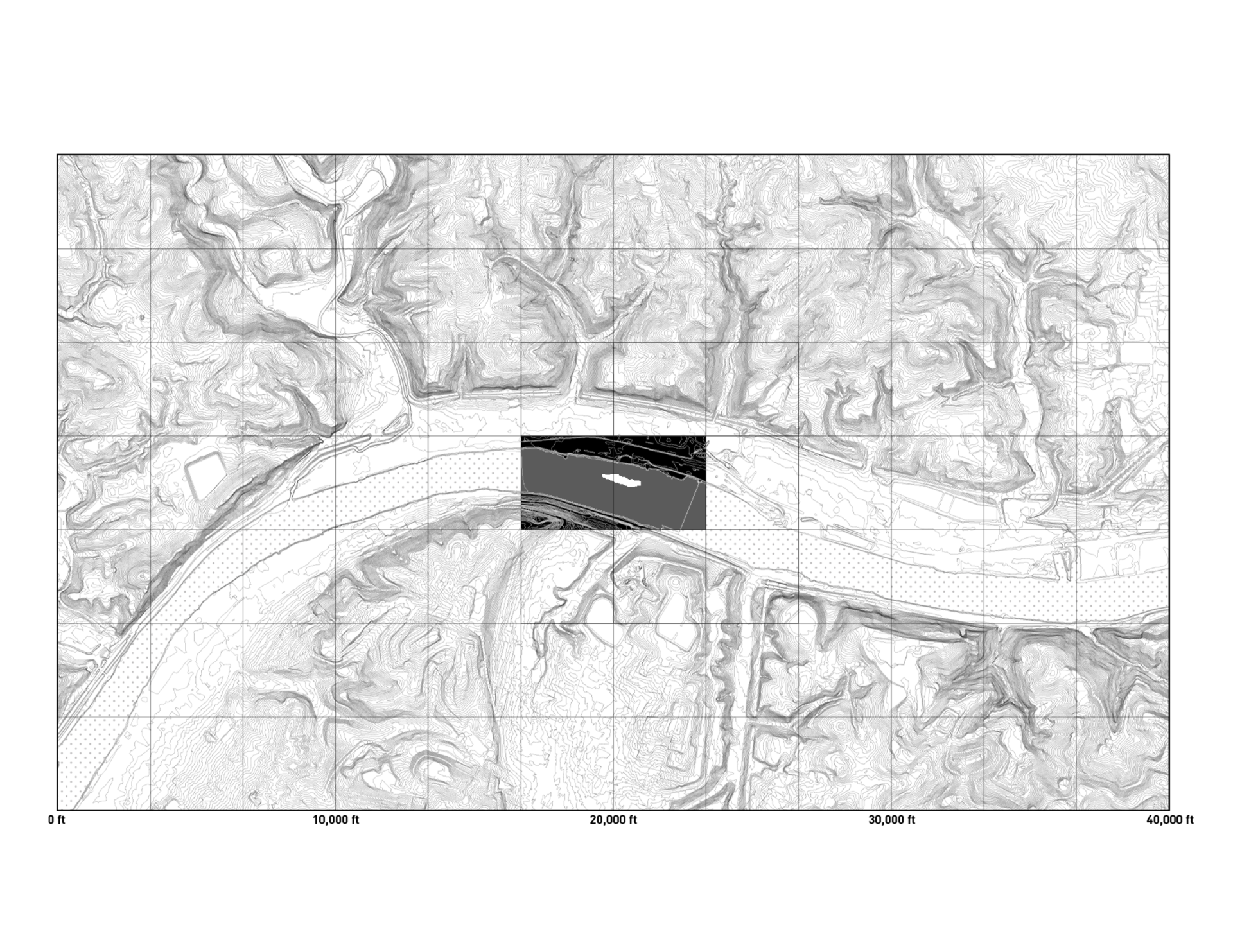
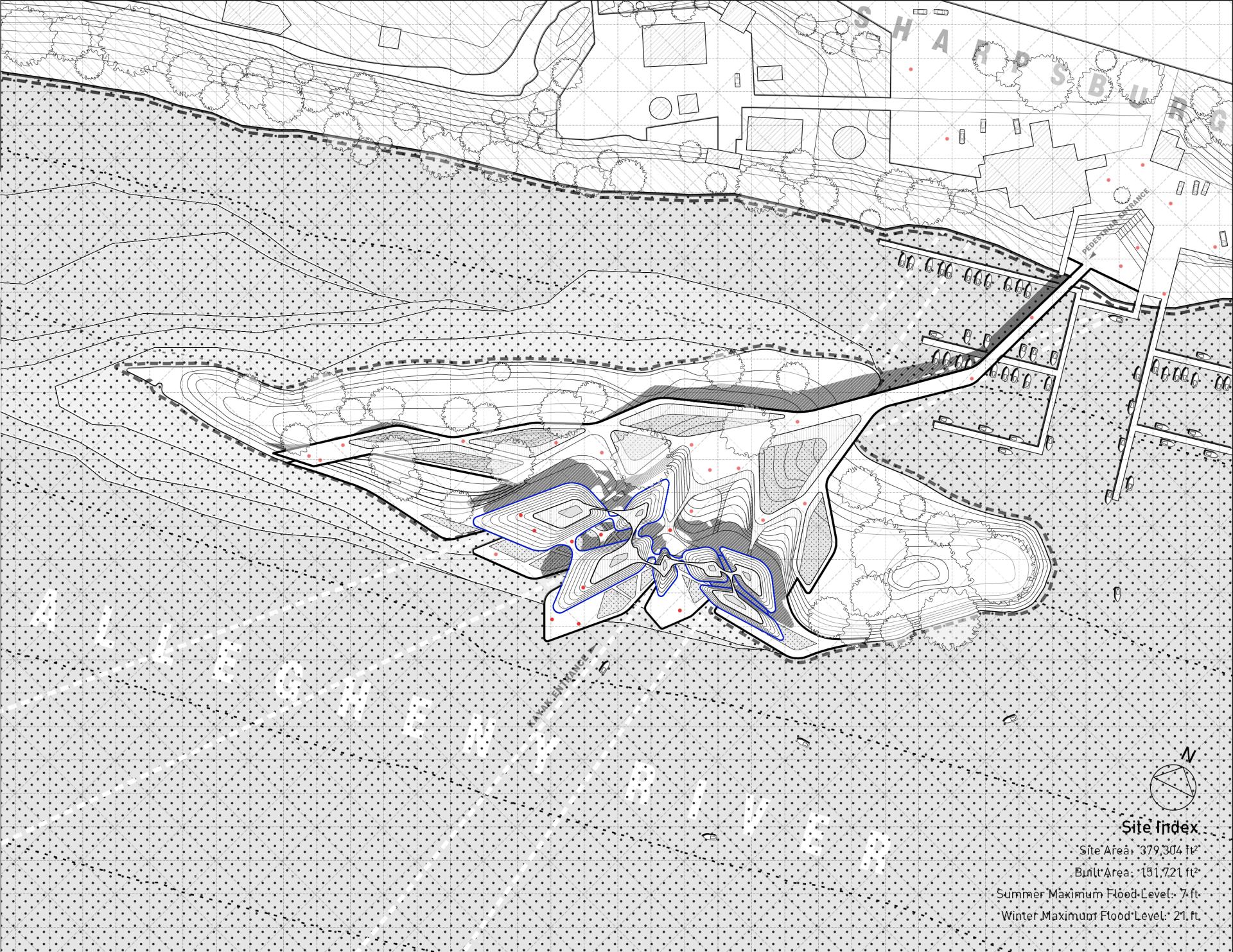
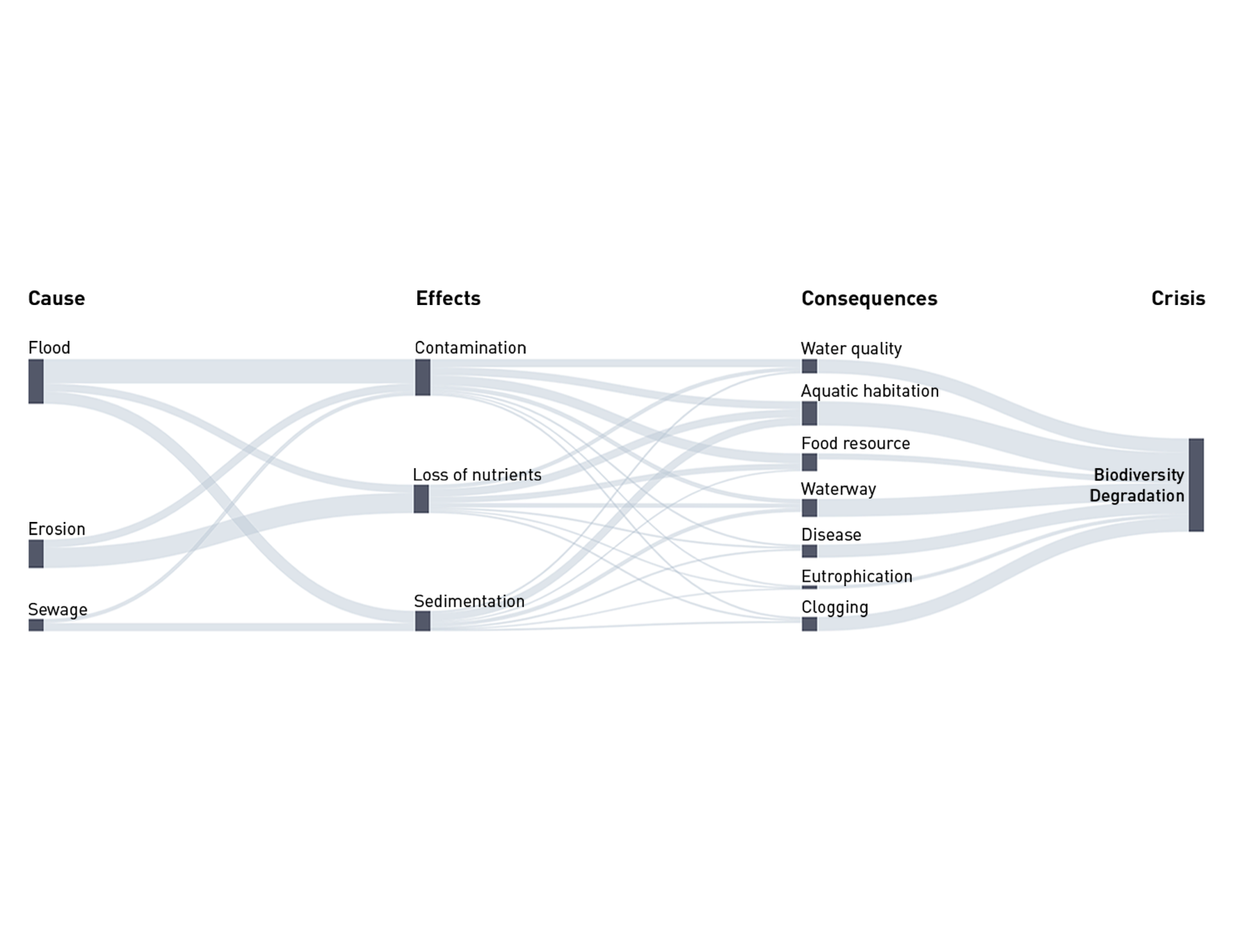
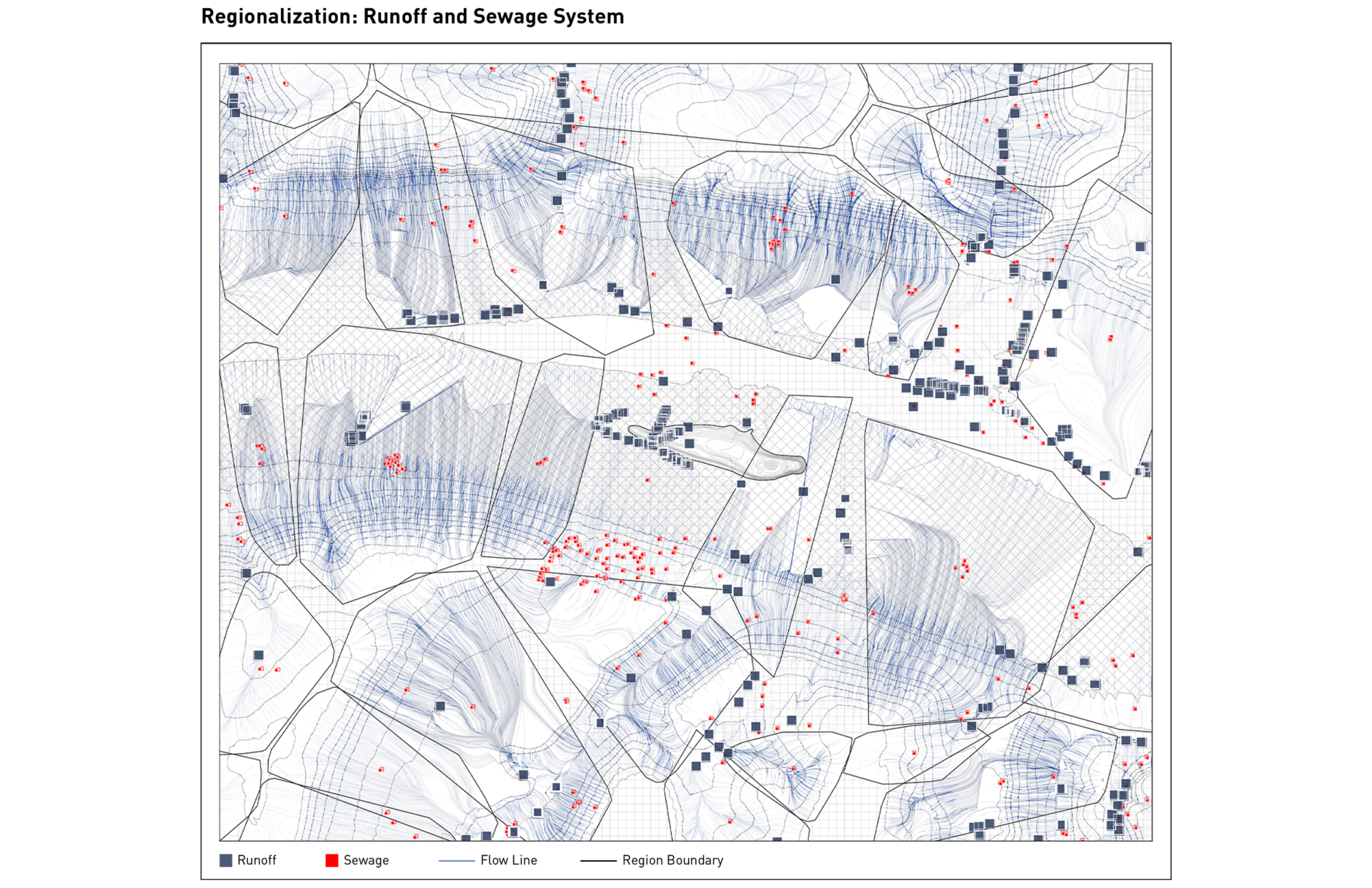
Museum of Weather , located on Six Mile Island in Sharpsburg, PA, is rooted in ecological principles, combining parametric design and 3D printing technology to explore the symbiosis between architectural forms and the natural environment. By simulating site-specific factors such as climate, rainfall distribution, and water flow patterns, the building’s design not only responds to its surroundings but also actively enhances and improves the ecosystem, showcasing a profound respect for nature and a commitment to innovative practices.
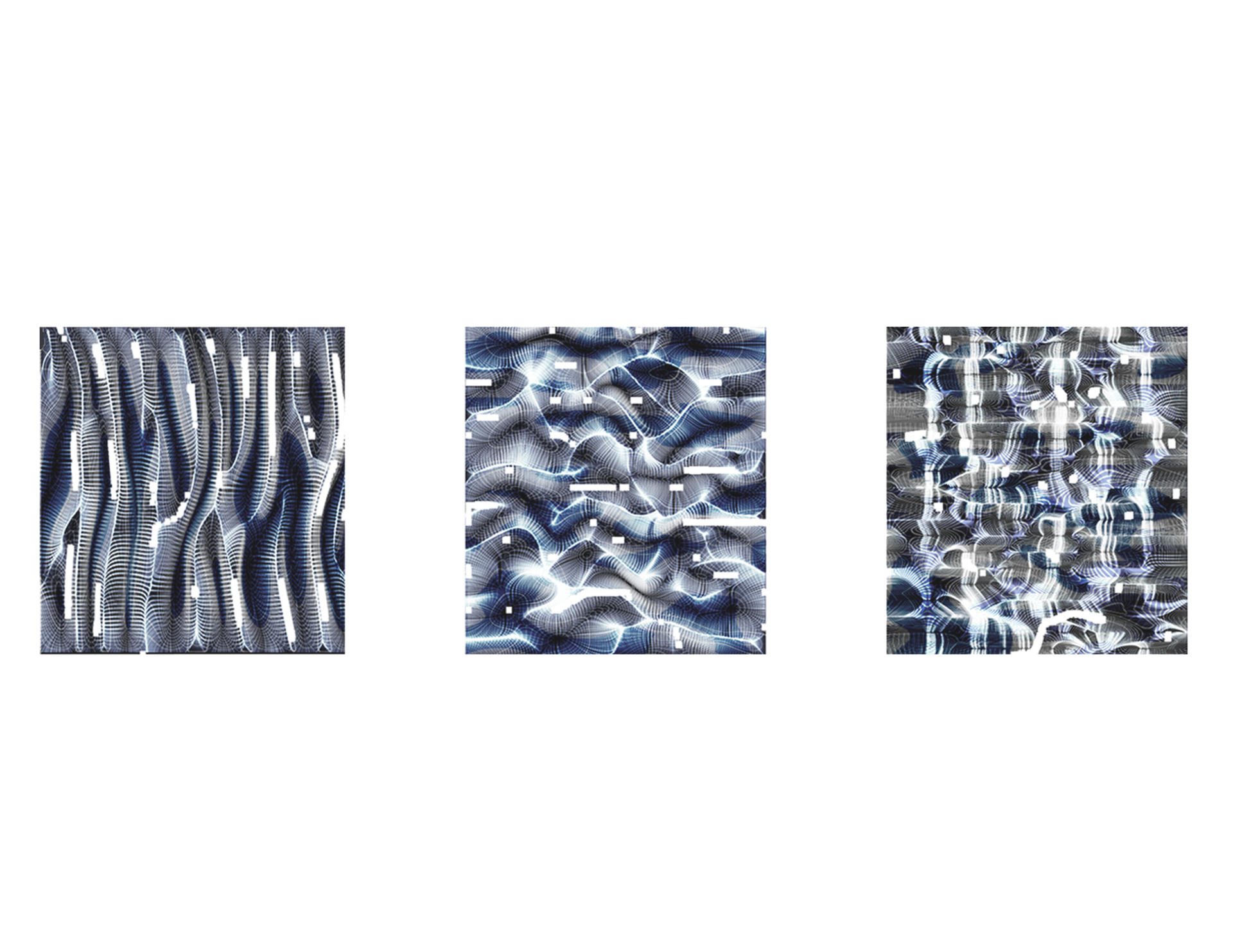
Through the digital analysis of site-specific water flow and rainfall density, the spatial layout of the building is designed to scientifically guide the collection, storage, and reuse of rainwater, creating a space that seamlessly integrates functionality and ecological sustainability. Additionally, the introduction of a micro-ecological environment provides a new habitat for biodiversity, infusing the space with renewed vitality.
Museum of Weather redefines the purpose of architecture, moving beyond decoration or commemoration to create a positive impact on the environment. Leveraging digital tools and 3D printing technology, the design breaks free from traditional dichotomies of form and function, crafting an architectural language that interacts harmoniously with nature. This approach drives the sustainable evolution of the architecture industry.
This groundbreaking innovation introduces construction waste as raw material for 3D printing. By processing and repurposing discarded materials, manufacturing and transportation costs are reduced by approximately 30%. This approach not only lowers carbon emissions but also transforms traditional construction waste into new functional and artistic value, embodying the principles of a circular economy.
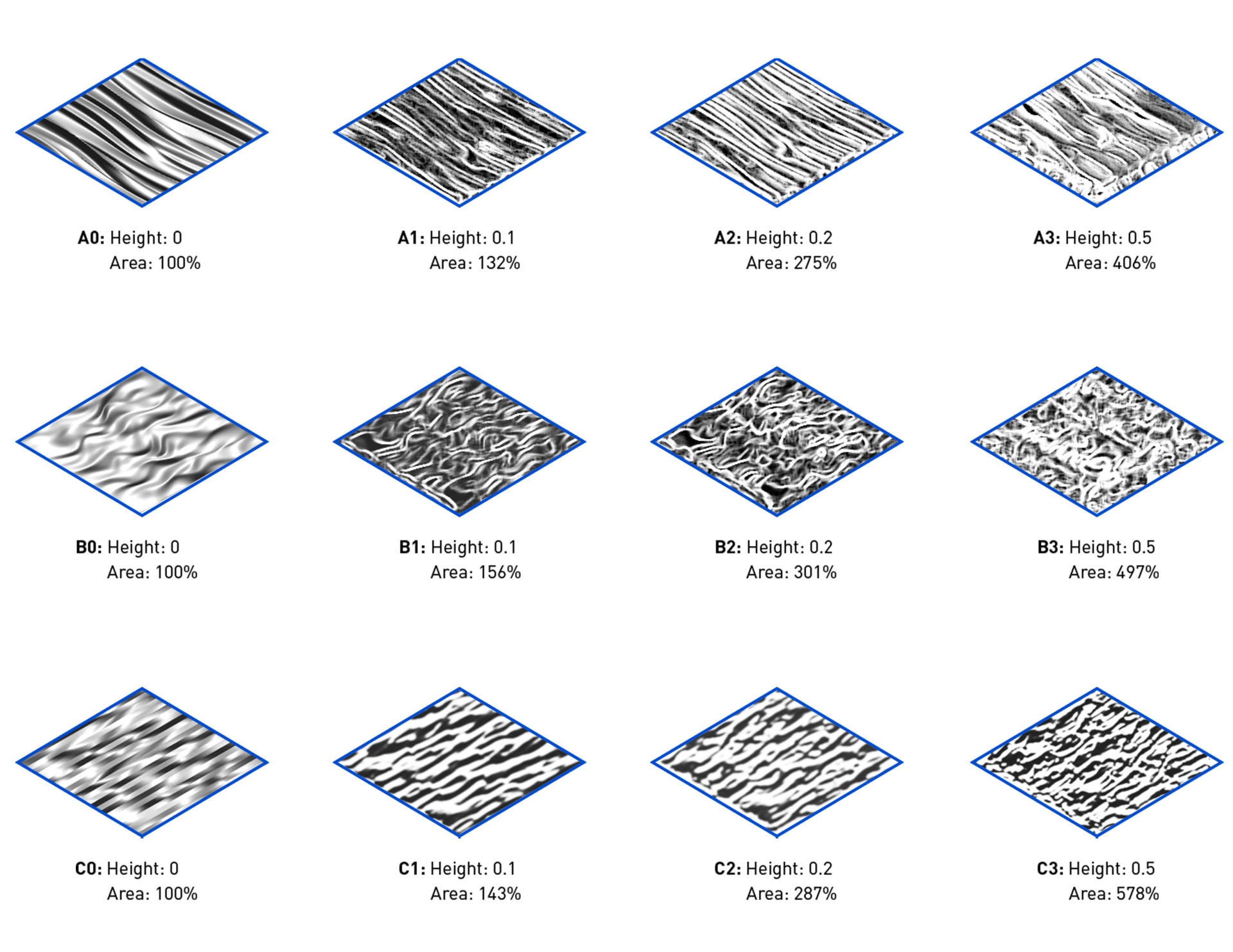
The innovative design and material selection of the building’s facade directly contribute to improving the local ecological environment. By collecting, directing, and purifying rainwater, the building enhances the site’s water quality while significantly reducing soil erosion in the area. This environmentally focused design highlights architecture’s responsibility and potential in addressing global climate challenges.
Featured Media
Entrant
Ming Chuan Interior Design Co., Ltd.
Category
Interior Design - Residential
Entrant
China International Engineering Design And Consulting Co..Ltd
Category
Architectural Design - Residential

Entrant
Yanchao Jiang
Category
Interior Design - Residential
Entrant
Pinhsu Design
Category
Interior Design - Residential