2025 | Professional
Matrix Beyond Bronze
Entrant
Shujian You
Category
Architectural Design - Renovation
Client's Name
-
Country / Region
United States
Gallery
About The Entry
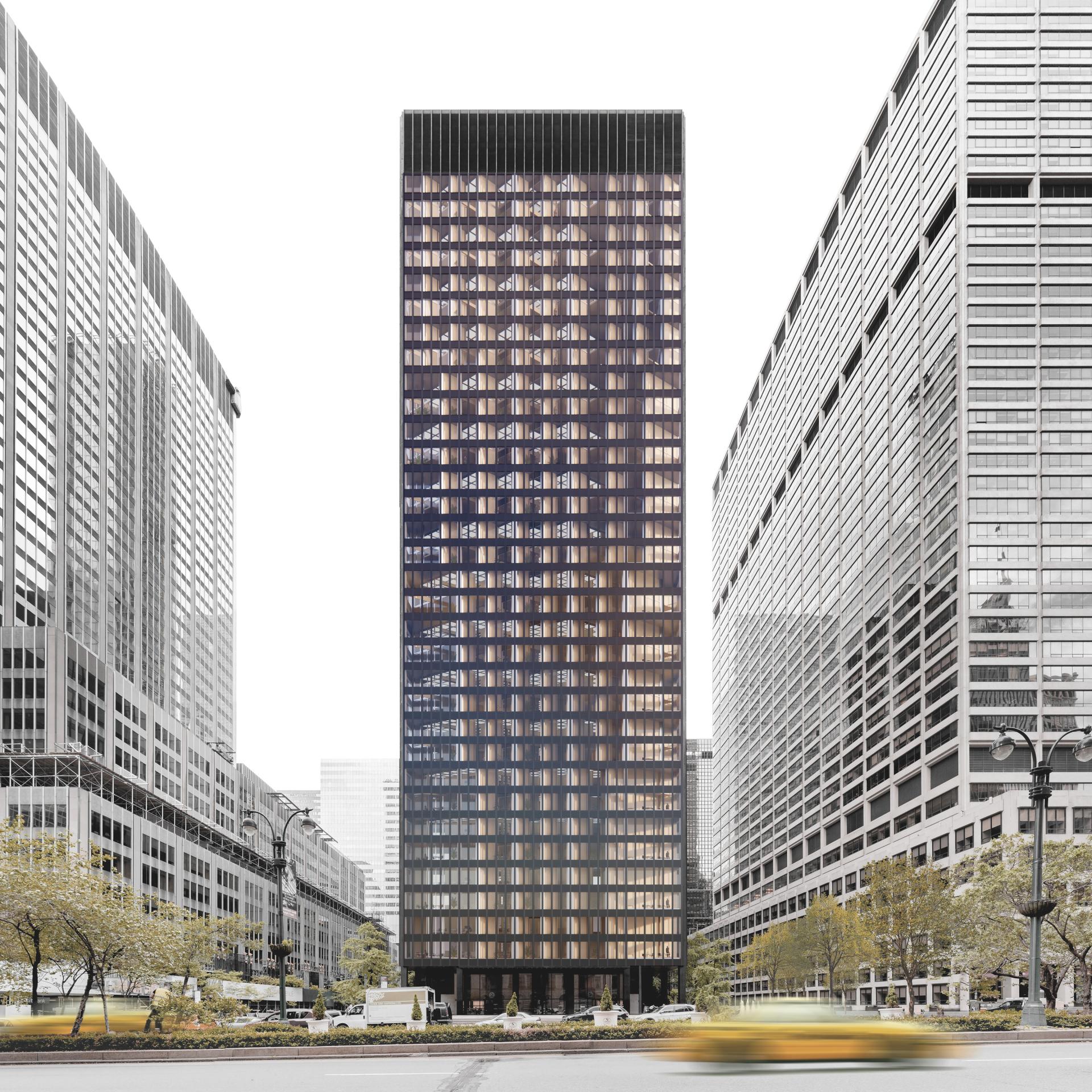
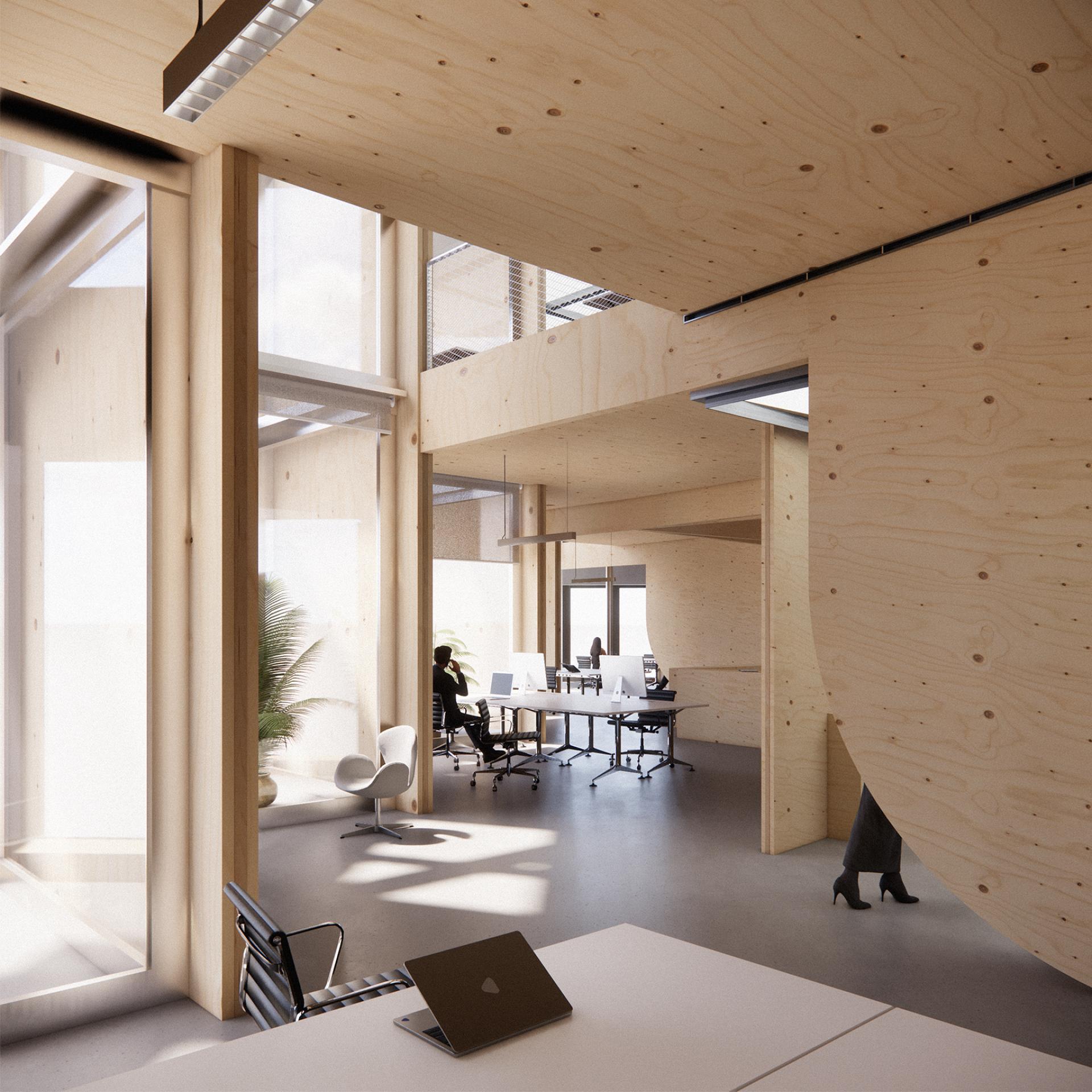
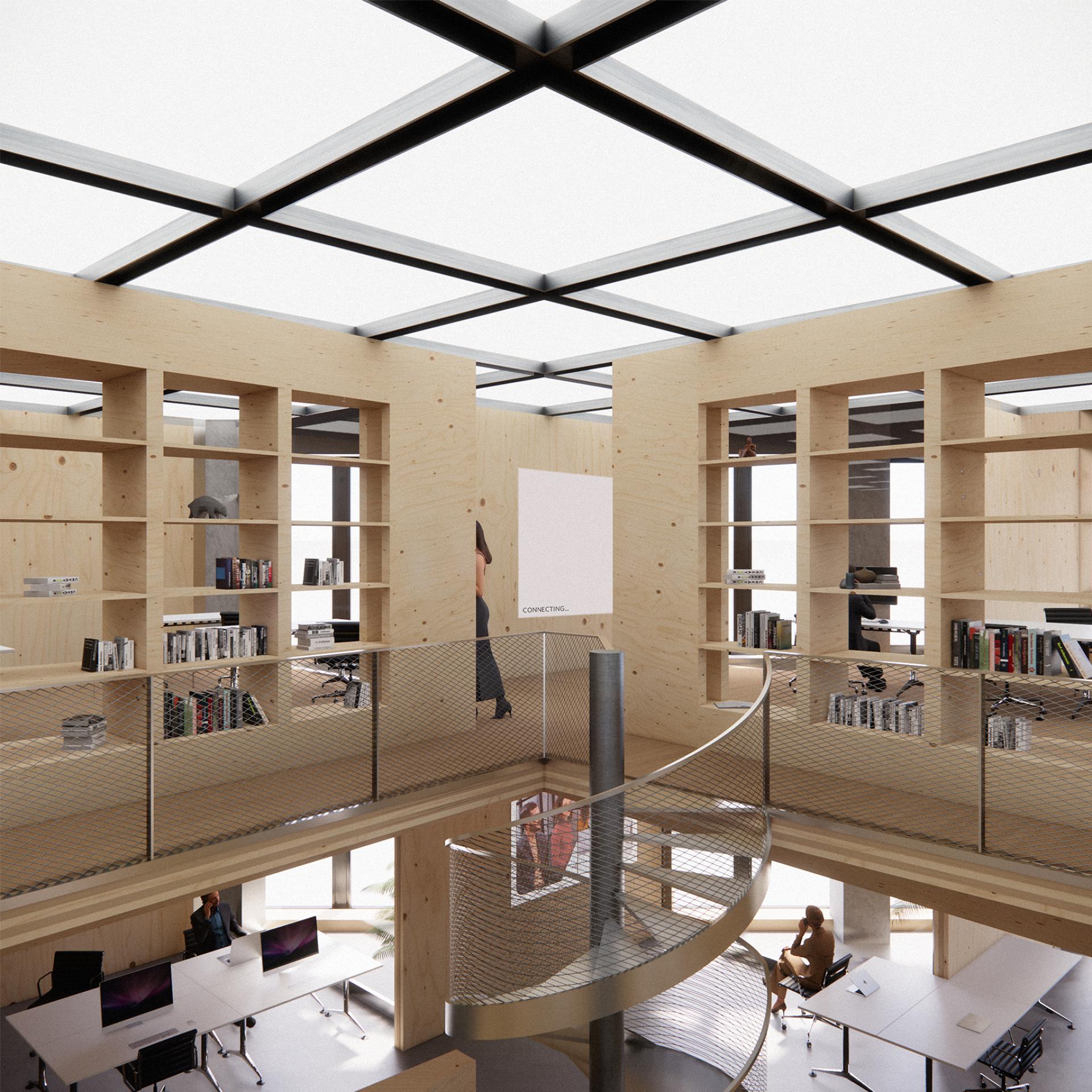
Hailed as “the millennium’s most important building” by critic Herbert Muschamp in 1999, the Seagram Building symbolizes modernism’s triumph. Yet today, its aesthetic conceals two major challenges: extreme energy inefficiency and an outdated open-plan office model. With an Energy Star score of 3/100, it remains among NYC’s least efficient buildings. Meanwhile, hybrid work exposes the flaws of open floor plan offices, demanding a new balance between sustainability, well-being, and adaptability.
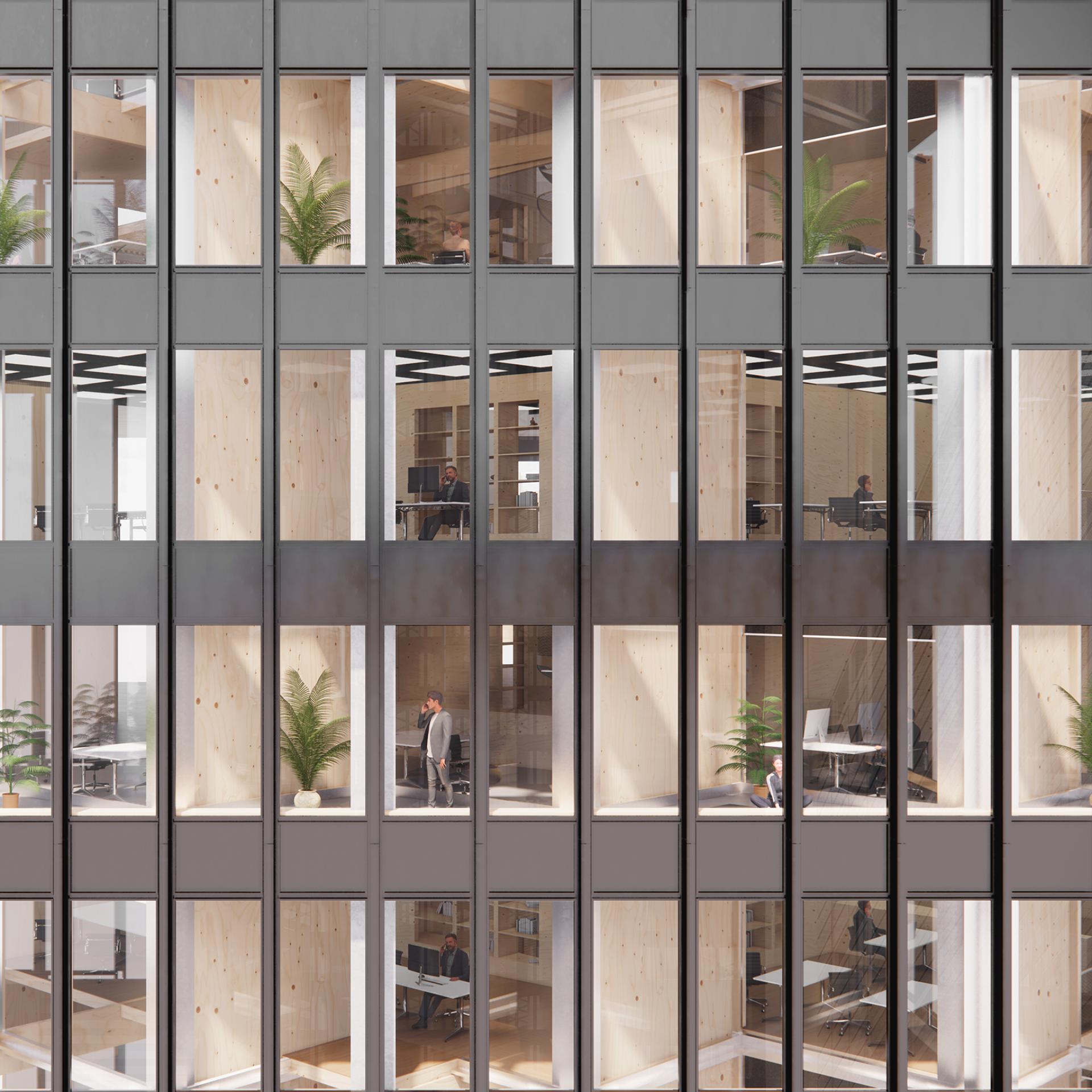
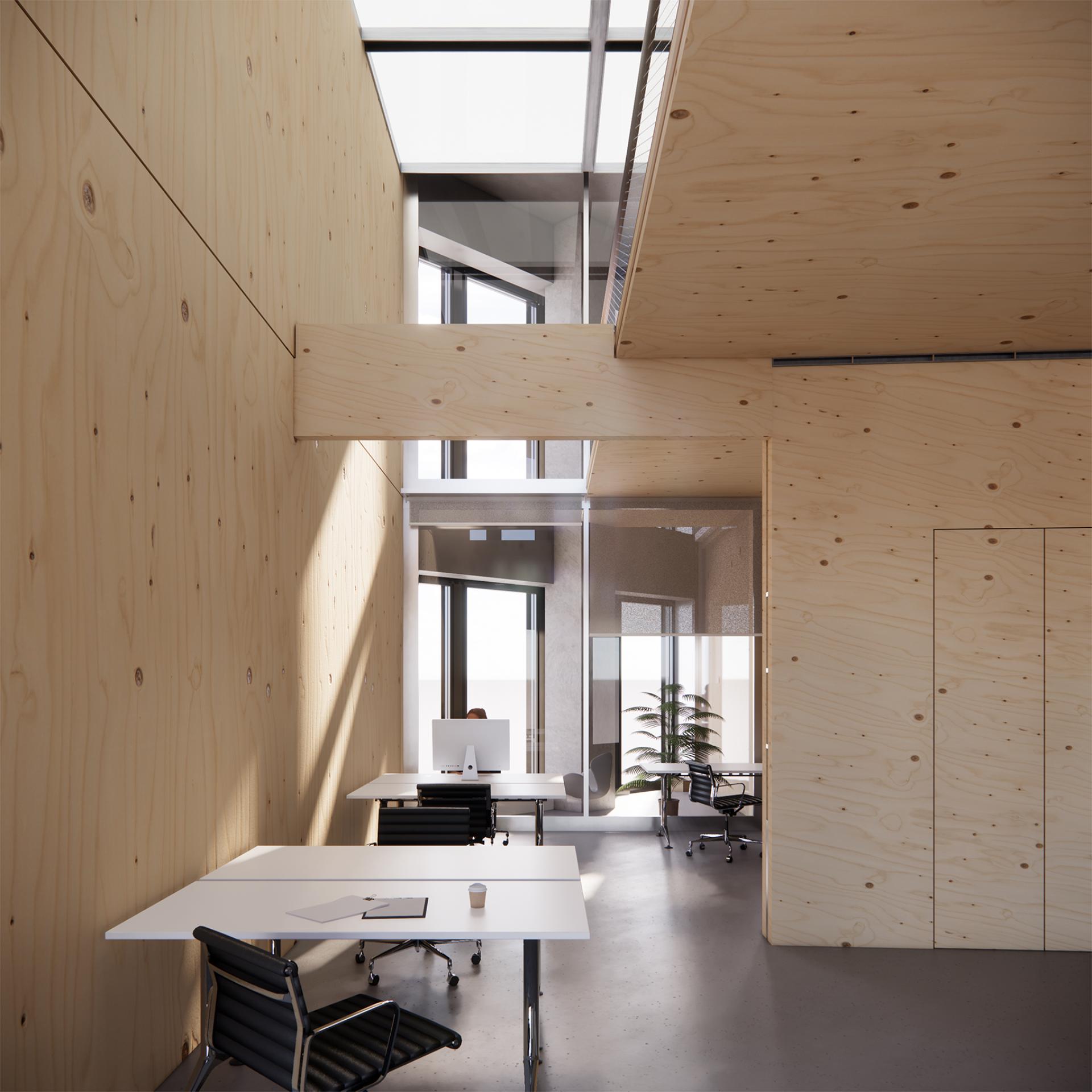
This project reimagines the Seagram Building by superimposing a 45-degree grid onto its modernist framework, creating a double-skin facade that enhances energy efficiency while preserving its heritage, with triangular wellness spaces in between. The original facade remains, but every other concrete floor and beams are replaced with a modular CLT system, integrating with the existing structure and a retrofitted mechanical systems to optimize efficiency. Added structures serve as staggered partitions and storage walls, balancing movement and spatial boundaries while redefining the open-plan layout. They form diverse work zones, integrating reception, meeting spaces, a library, a refreshment lounge, and staircases to foster interaction.
The design prioritizes well-being, sustainability, and a forward-thinking workplace vision. Its systematic approach offers a scalable solution for other modernist heritage buildings facing similar challenges.
Credits
Entrant
China Express Airlines Exqusite Life E-Commerce Co. ,Ltd.
Category
Packaging Design - Limited Edition
Entrant
Steam Wave Design
Category
Interior Design - Residential

Entrant
WAG Architects
Category
Architectural Design - Religious
Entrant
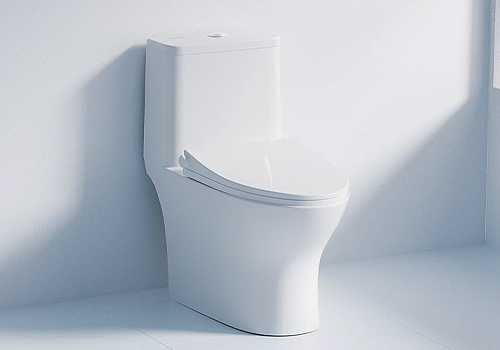
Xiamen JeForyou Sanitary Wares Co., Ltd
Category
Product Design - Bathroom Fittings / Appliances