2025 | Professional
Guanlan River: From Polluted Waterway to Blue-Green Spine
Entrant
Tongii Architectural Design (Group) Co., Ltd. & CCCC Water Transport Planning and Design Institute Co., Ltd
Category
Landscape Design - Public Landscape
Client's Name
Shenzhen Longhua District Water Resources Bureau
Country / Region
China
Gallery
About The Entry
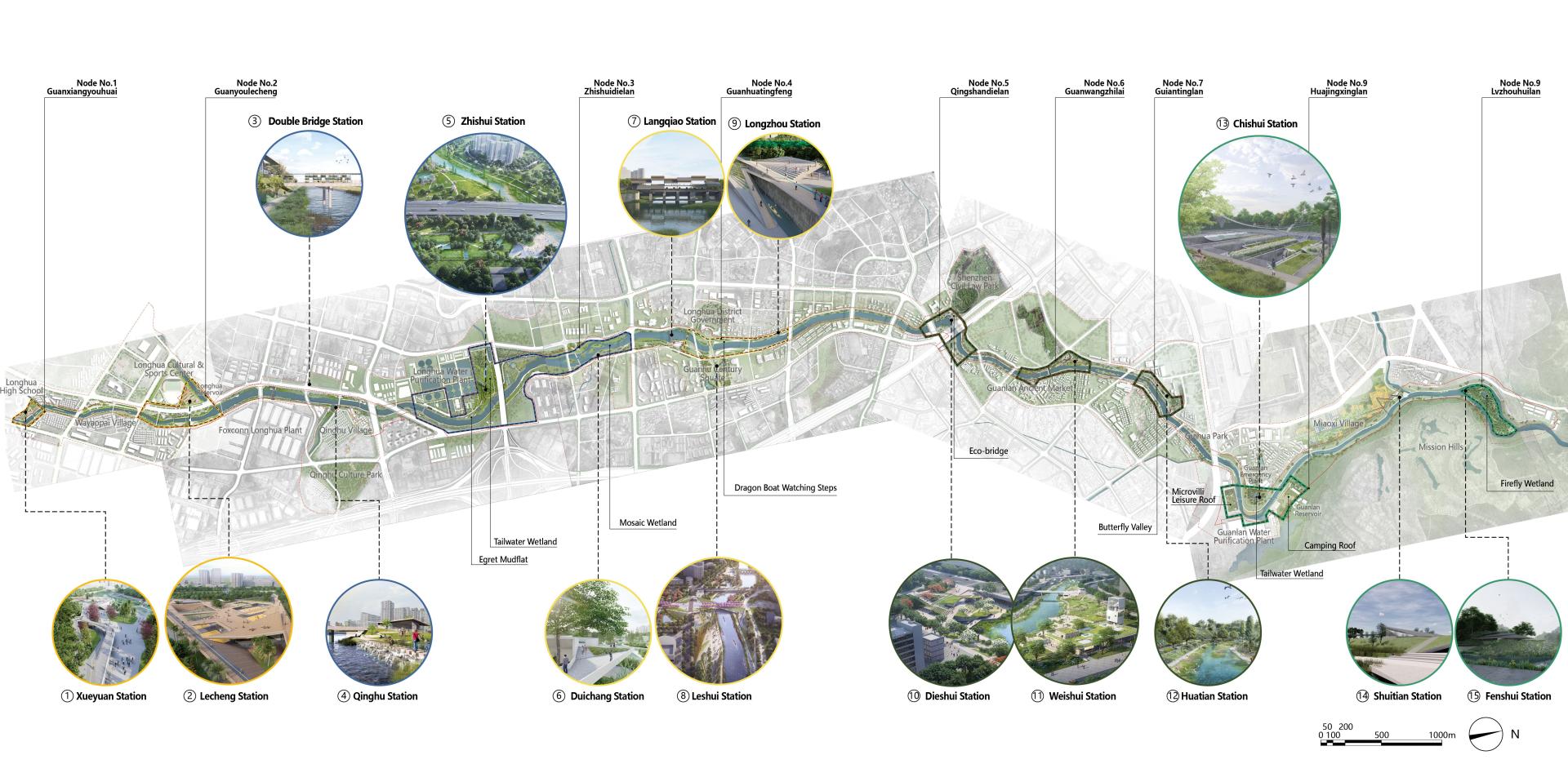
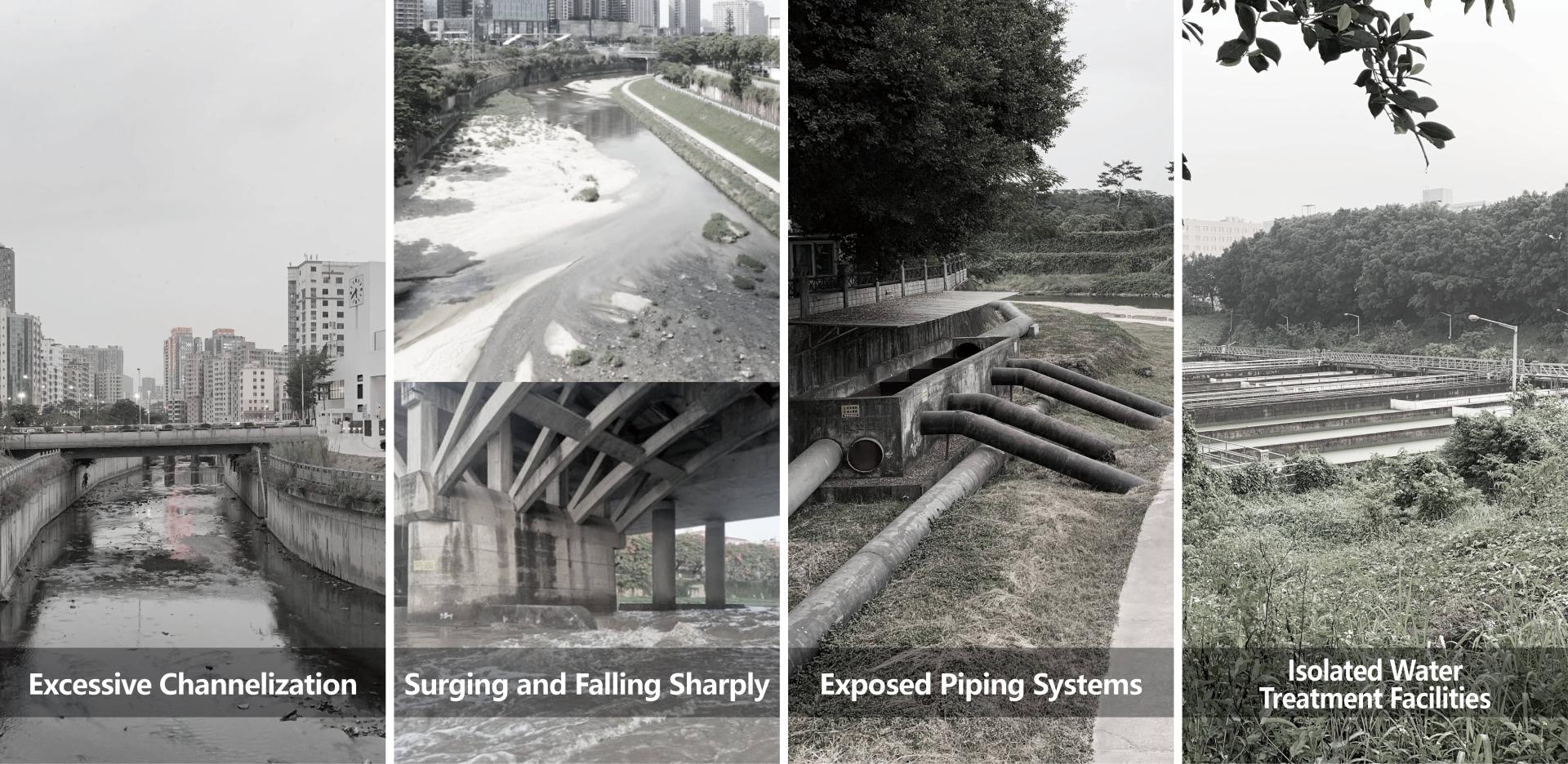
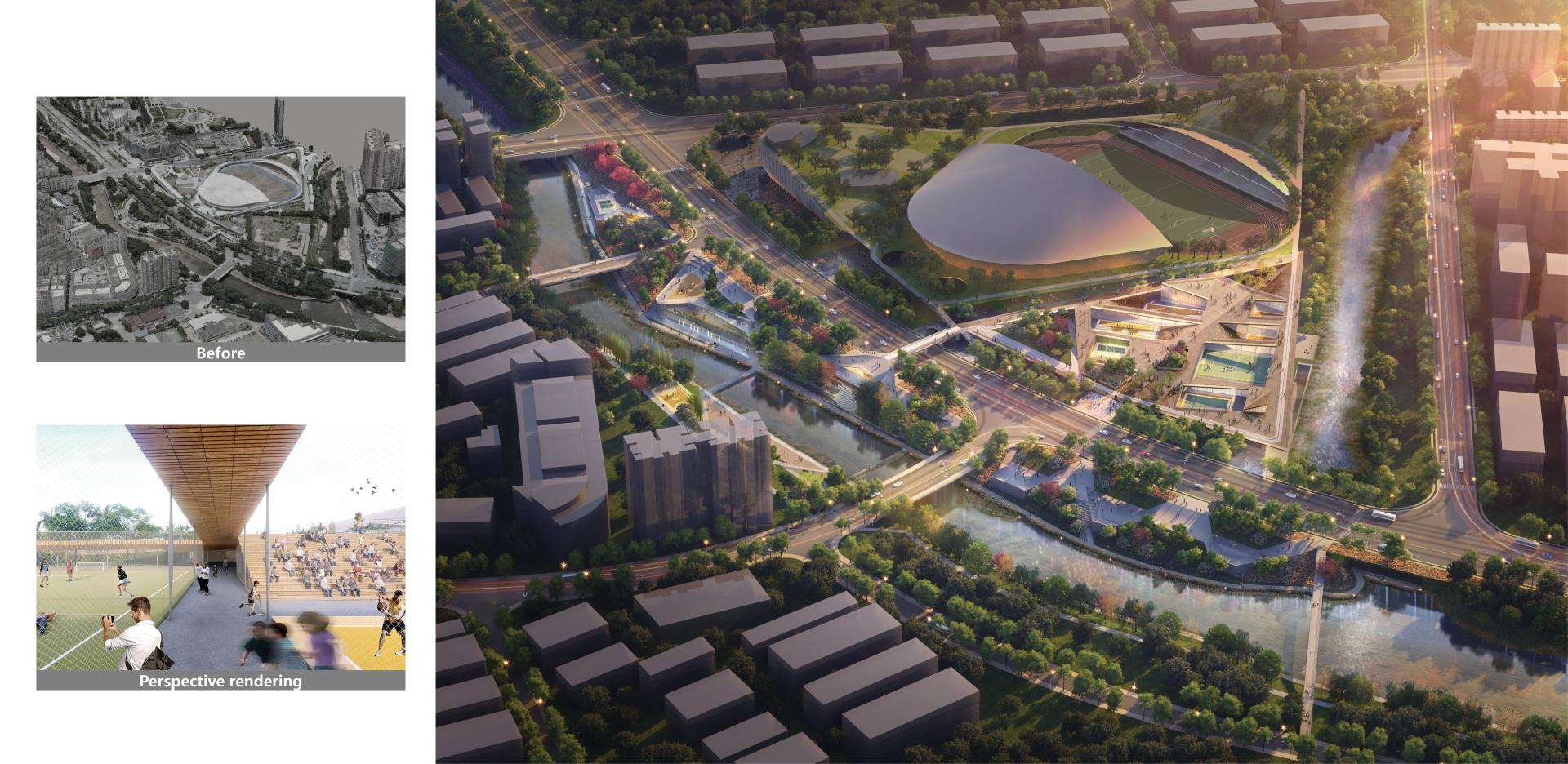
The Guanlan River, revered as the mother river of Longhua District in Shenzhen and one of the city's five principal tributaries, spans approximately 14.2 kilometers from south to north, weaving through a multifaceted urban landscape. Confronted with this once-pivotal waterway that has faded from the city's collective memory, we have devised four strategic design pillars—"Water Safety Enhancements," "Ecological Integration," "Urban Renewal," and "Smart Waterfronts"—to tackle challenges such as inadequate resilience, ecological deterioration, fragmented urban spaces, and the detachment of river channels and associated water management infrastructure. Our goal is to forge a river that embodies ecological vitality, urban connectivity, cultural richness, and technological innovation, thereby rekindling the warmth, memories, and narratives of the Guanlan River, and crafting an emblematic urban waterfront public realm.
Climate Resilience
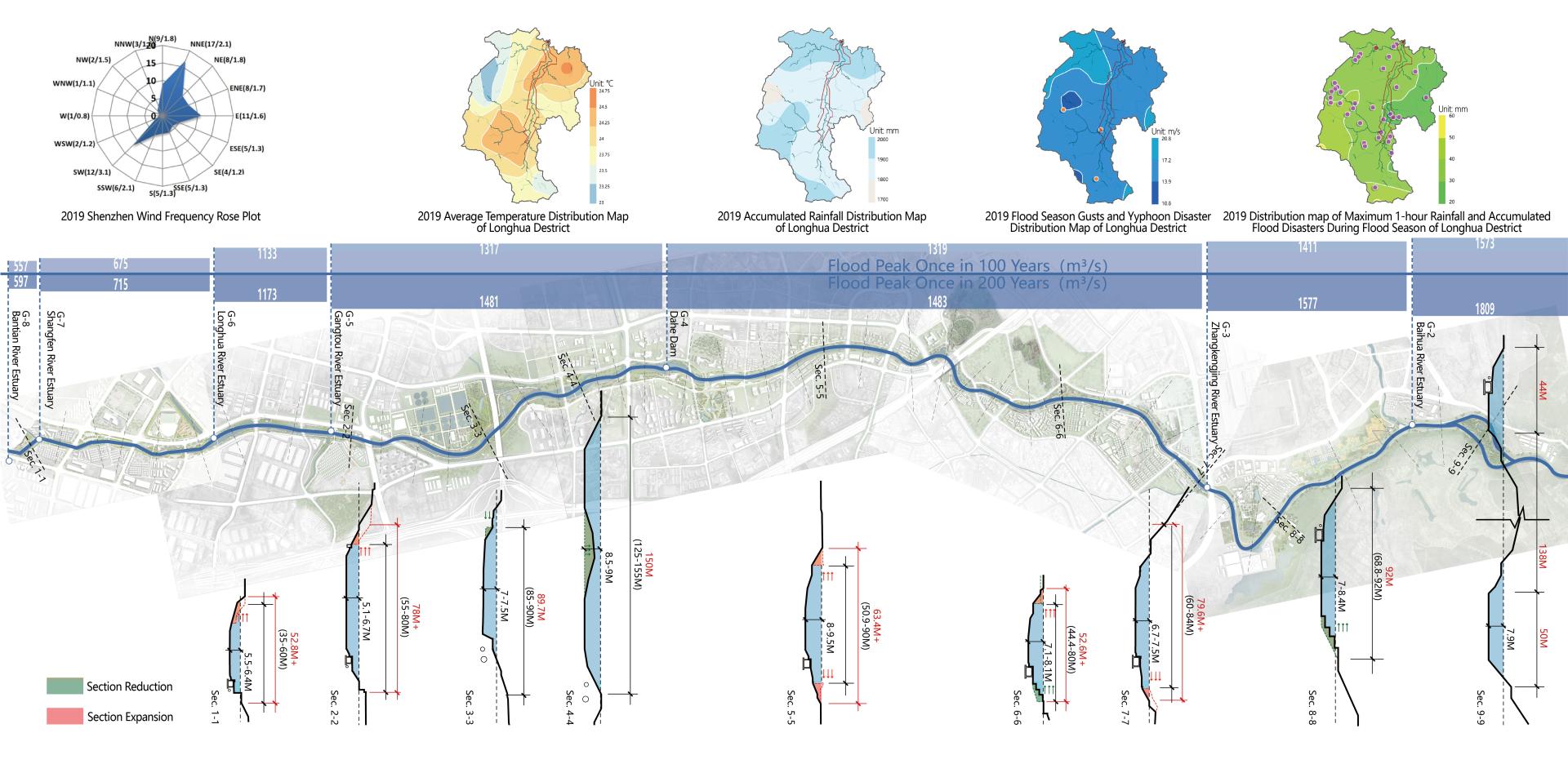
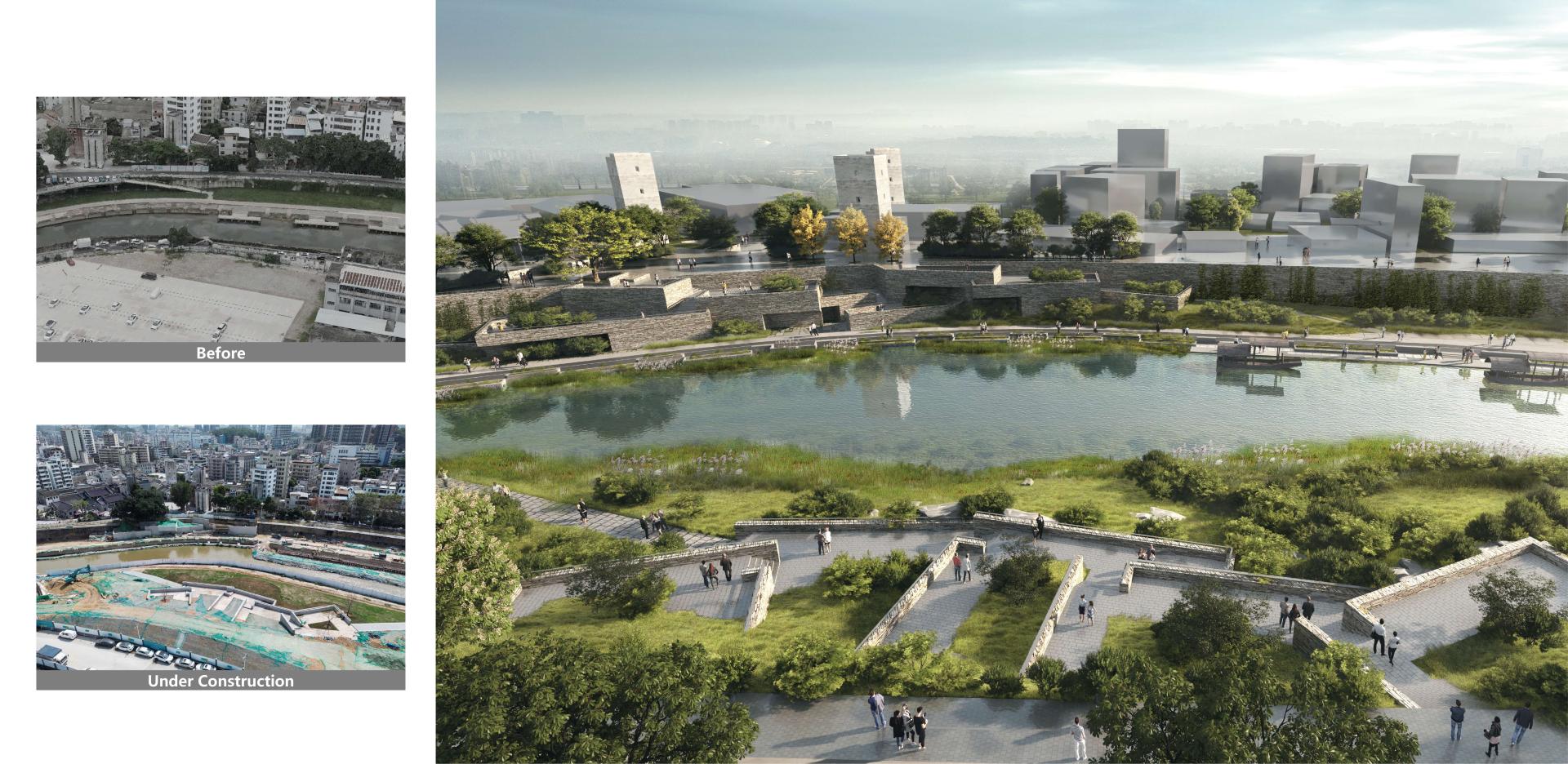
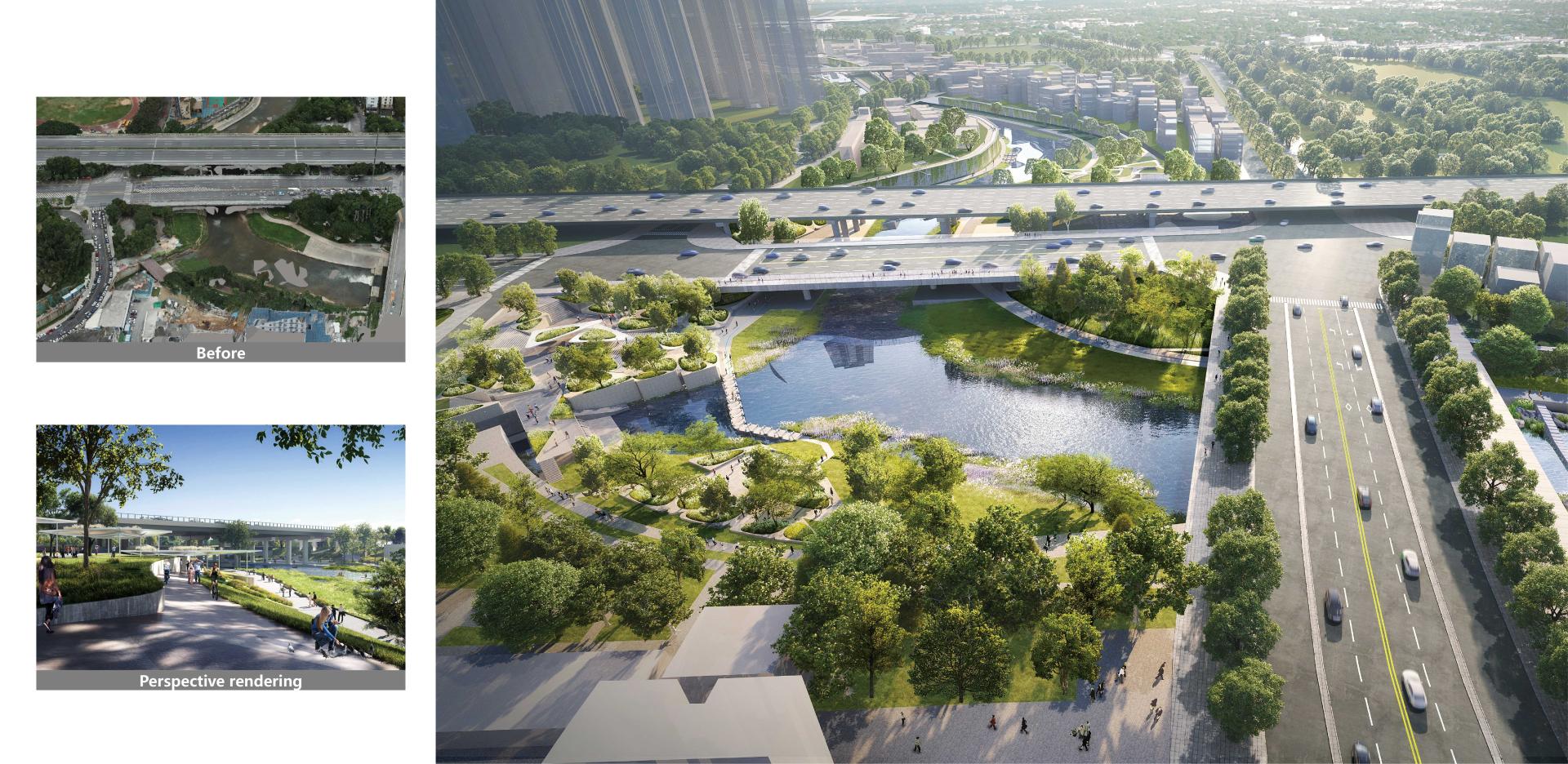
Amid global climate change and Shenzhen’s heightened flood prevention standards, we implemented basin-wide management measures based on the latest meteorological data and hydrological analysis. By widening bottleneck sections and reinforcing riverbanks with landscape design, we enhanced the river’s resilience to flooding and extreme weather.
Ecological Revitalization
Using eco-engineering methods like hard revetment transformation and mosaic wetlands, we restored the river’s ecological base. Native wetland plants, frogs, egrets, and fireflies were reintroduced, particularly on a downstream island, improving biodiversity and sustainability.
Inclusive Waterfront Spaces
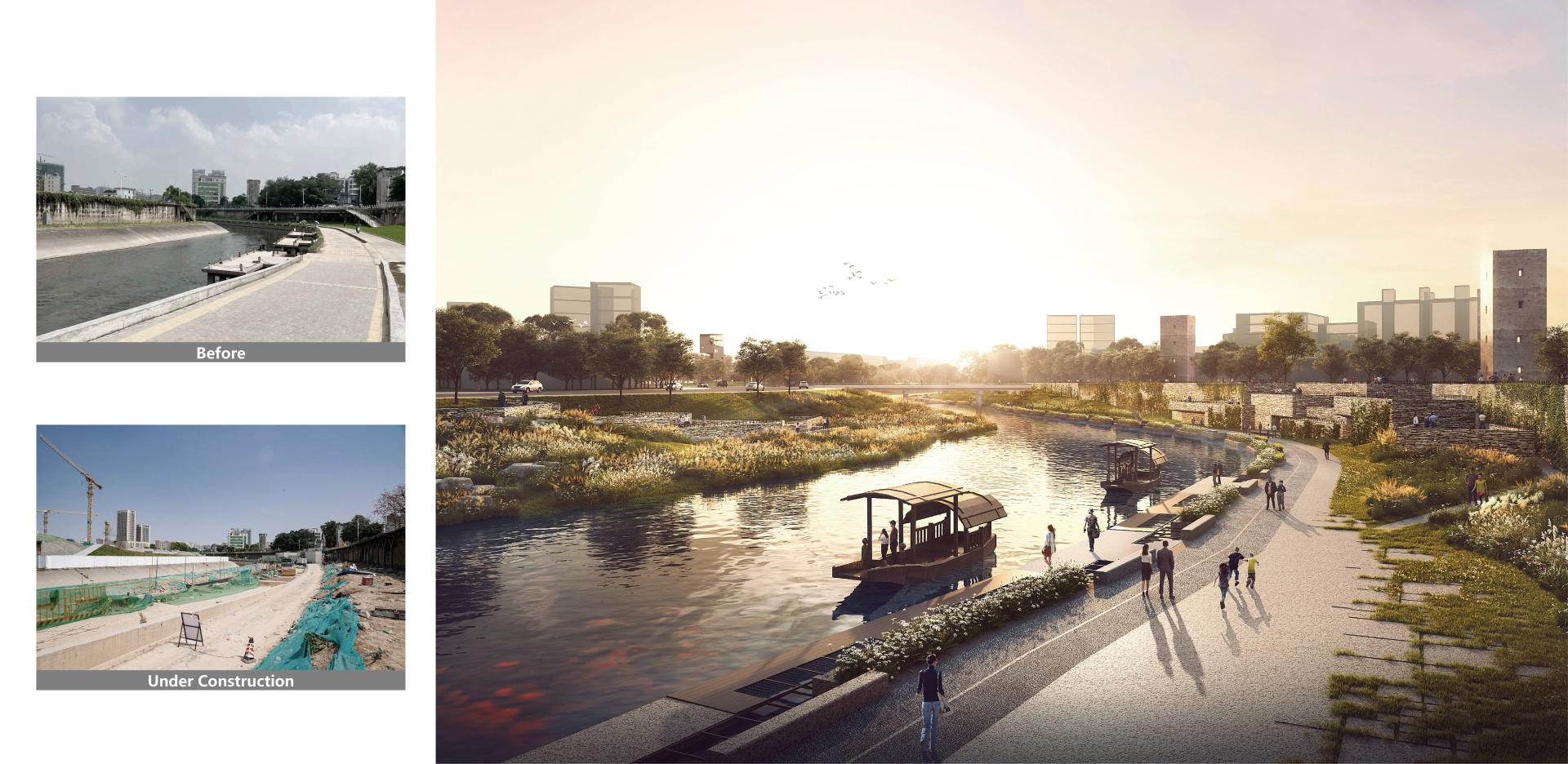
By setting up cycling paths, jogging tracks, and distinctive spatial nodes along the riverbanks, and adding six pedestrian bridges and five stepping stones, the public access to the riverbanks has increased from less than 68% to nearly 100%, making the River a truly public waterfront space for all citizens.
Urban Revitalization
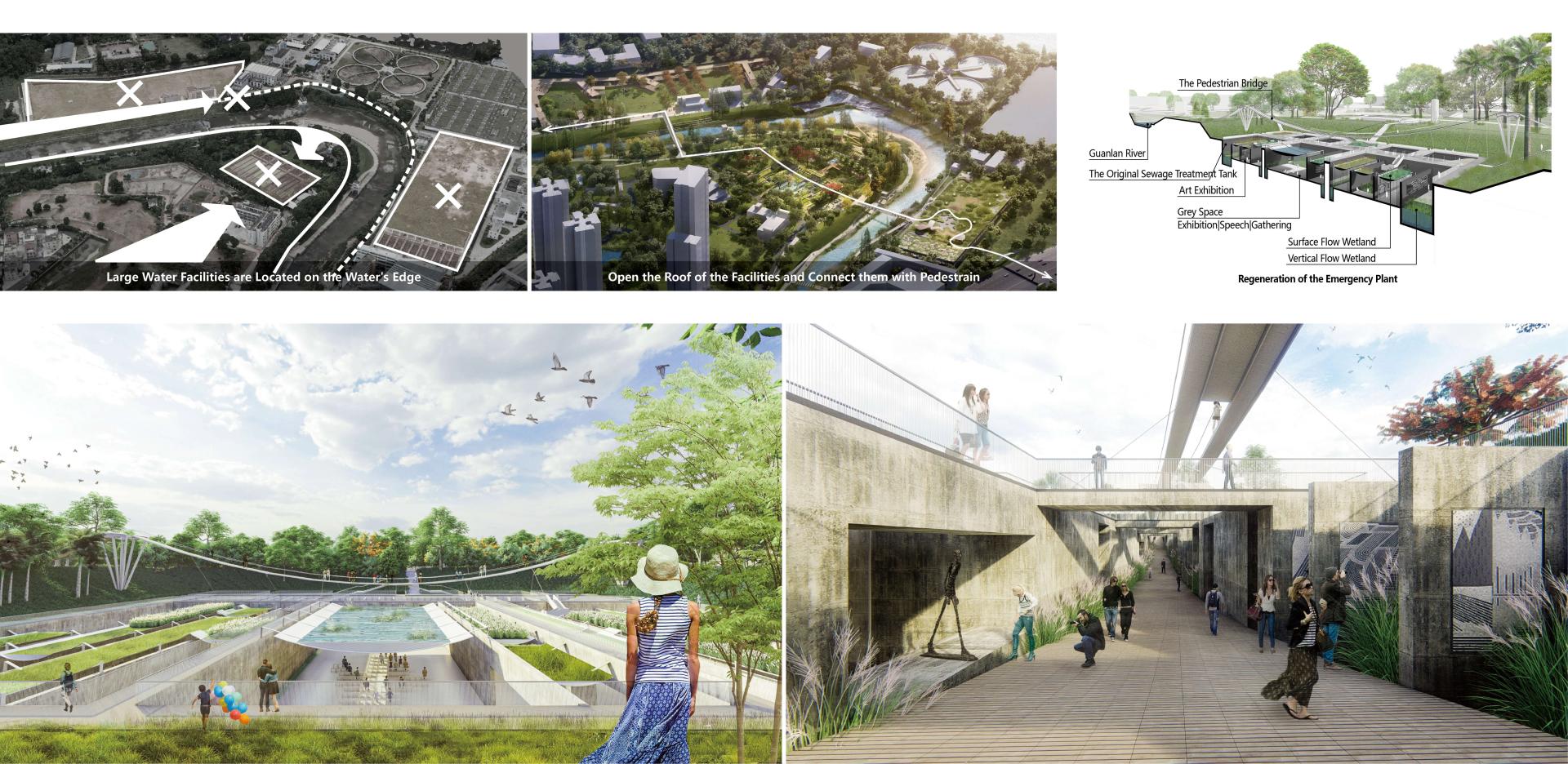
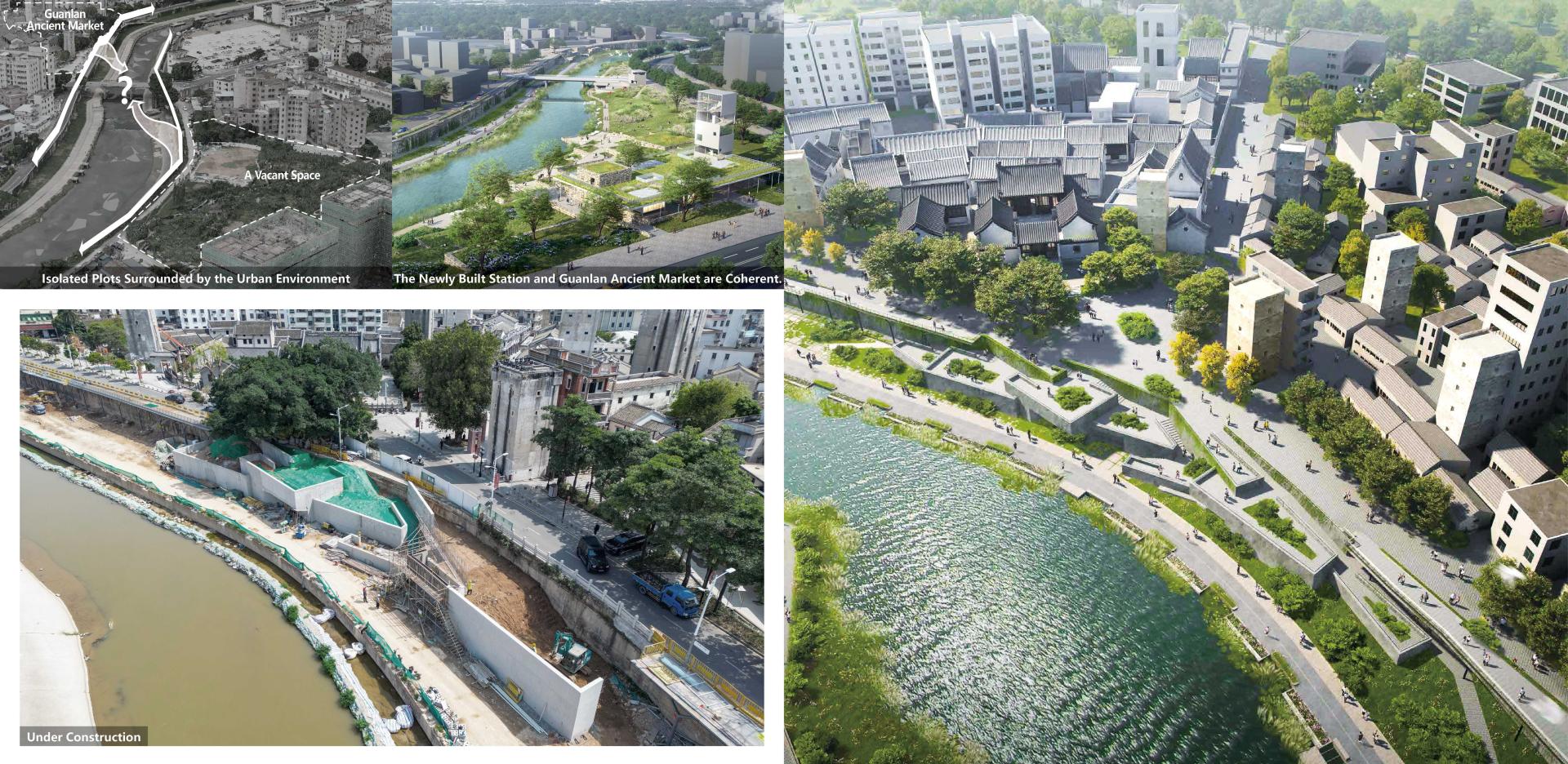
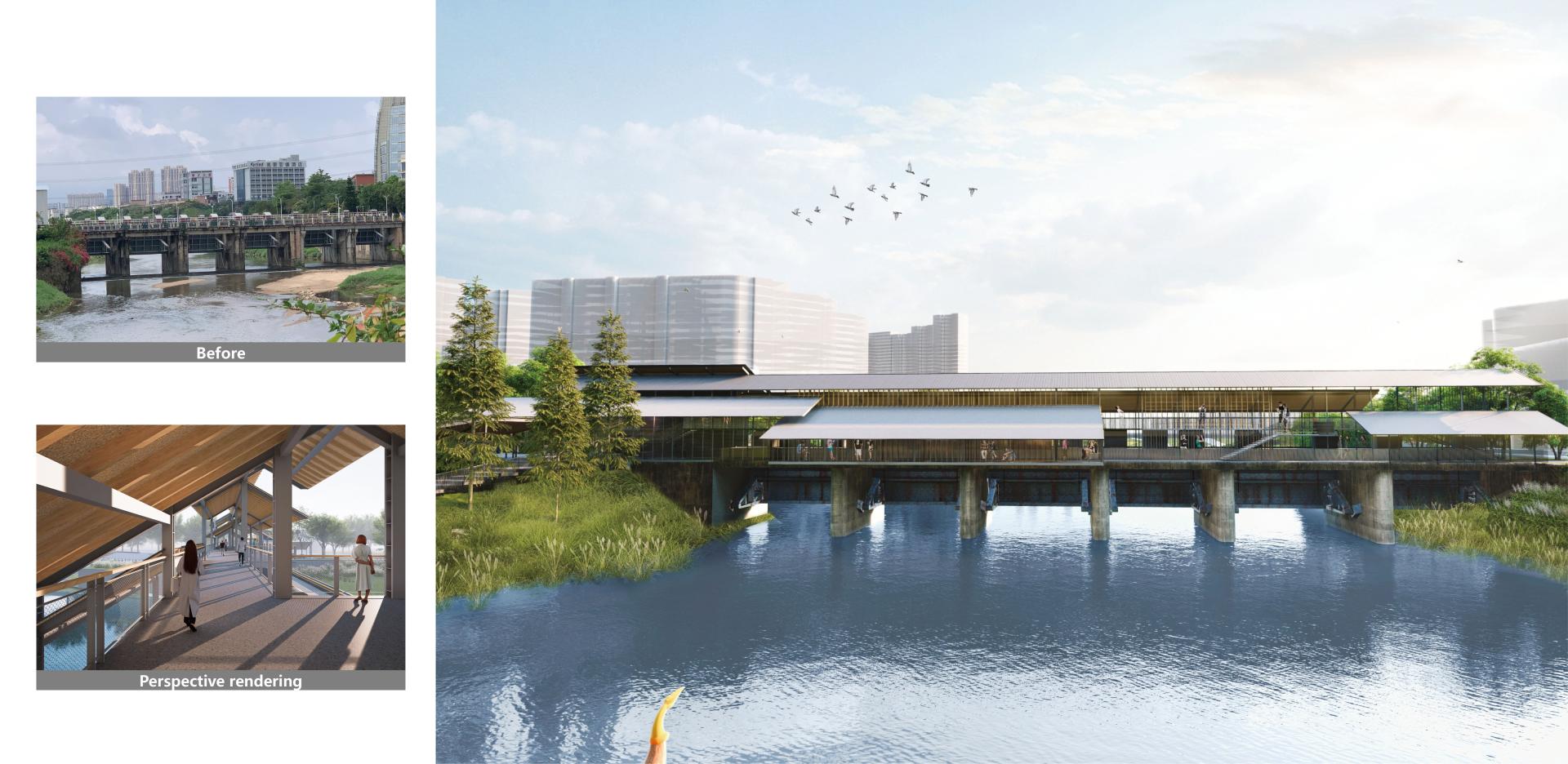
Strategically situating fifteen service stations along the river, repurposing water infrastructure to encourage community interaction, and linking the waterfront with the city's diverse and intricate urban fabric through inclusive spatial node designs, we aspire to invigorate the resurgence of urban dynamism.
Collaborative Methodology
A multidisciplinary team of 12 specialties, including urban design, ecology, and hydrology, collaborated on the project. After four years of planning, construction is underway, with the first phase—a 1-kilometer stretch—nearing completion. This initiative aims to restore the Guanlan River as a symbol of ecological and urban renewal.
Entrant
polusmyhomeplaza company limited
Category
Architectural Design - Residential
Entrant
Siyu Mao
Category
Architectural Design - Micro Homes (NEW)

Entrant
Mengdi Wang & Yizhi zhang
Category
Conceptual Design - Communication

Entrant
Junya Duan & Yayi Tan
Category
Fashion Design - Innovation (NEW)