2025 | Professional

Macau Light Rapid Transit (LRT) Seac Pai Van (SPV) Line
Entrant
Arup
Category
Architectural Design - Transportation
Client's Name
Direcção dos Serviços de Obras Públicas (DSOP)
Country / Region
Hong Kong SAR
Gallery
About The Entry
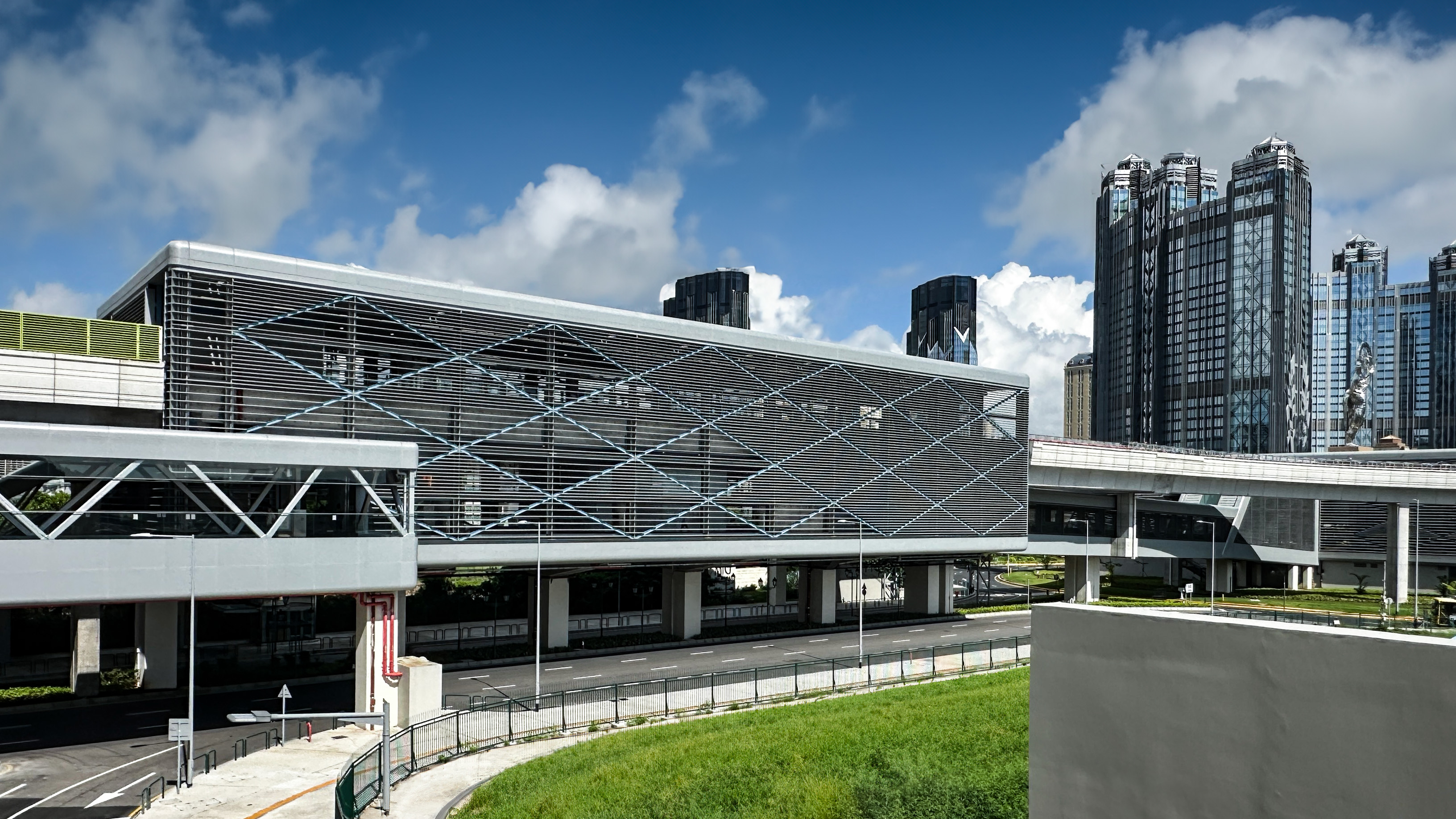
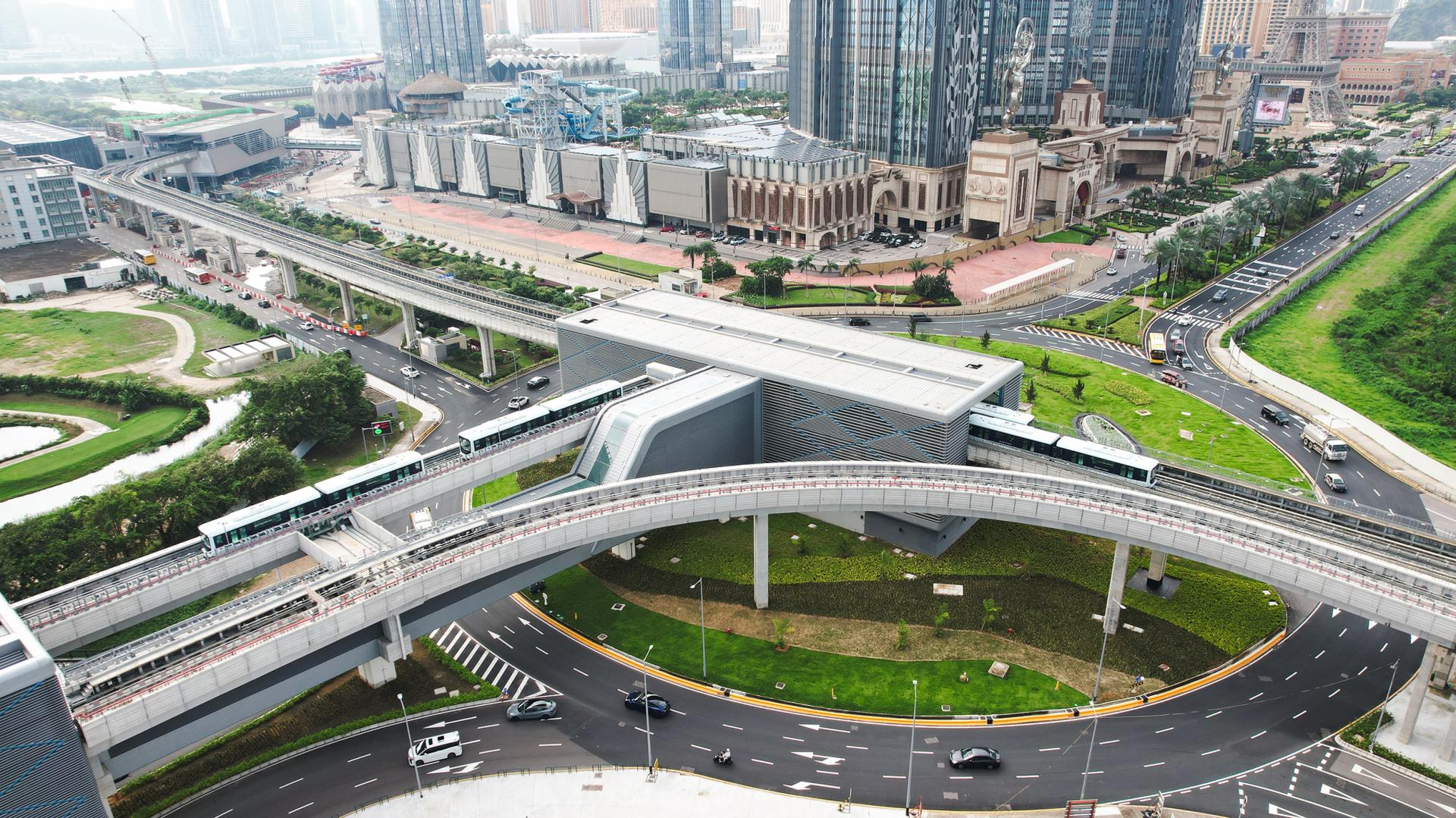
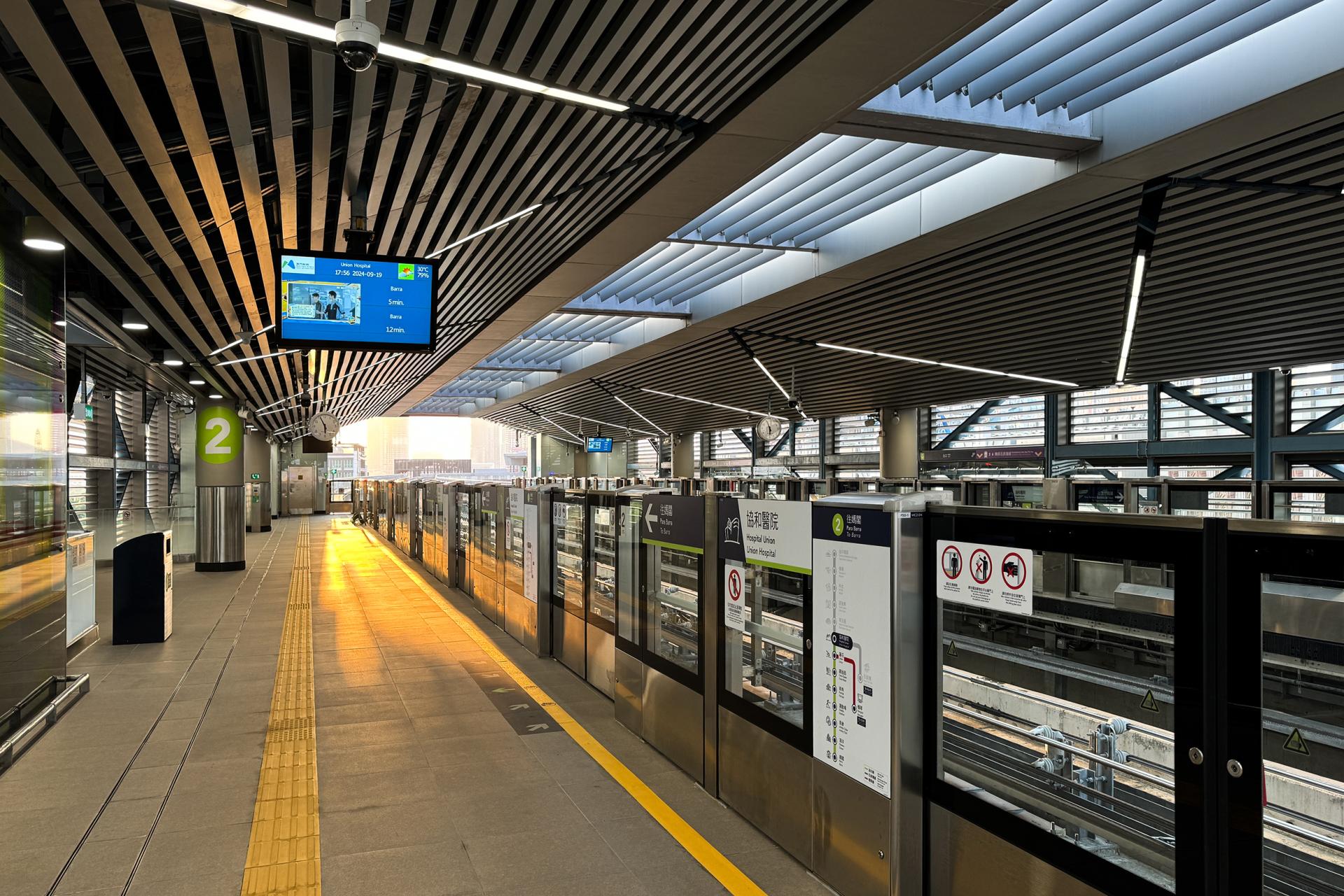
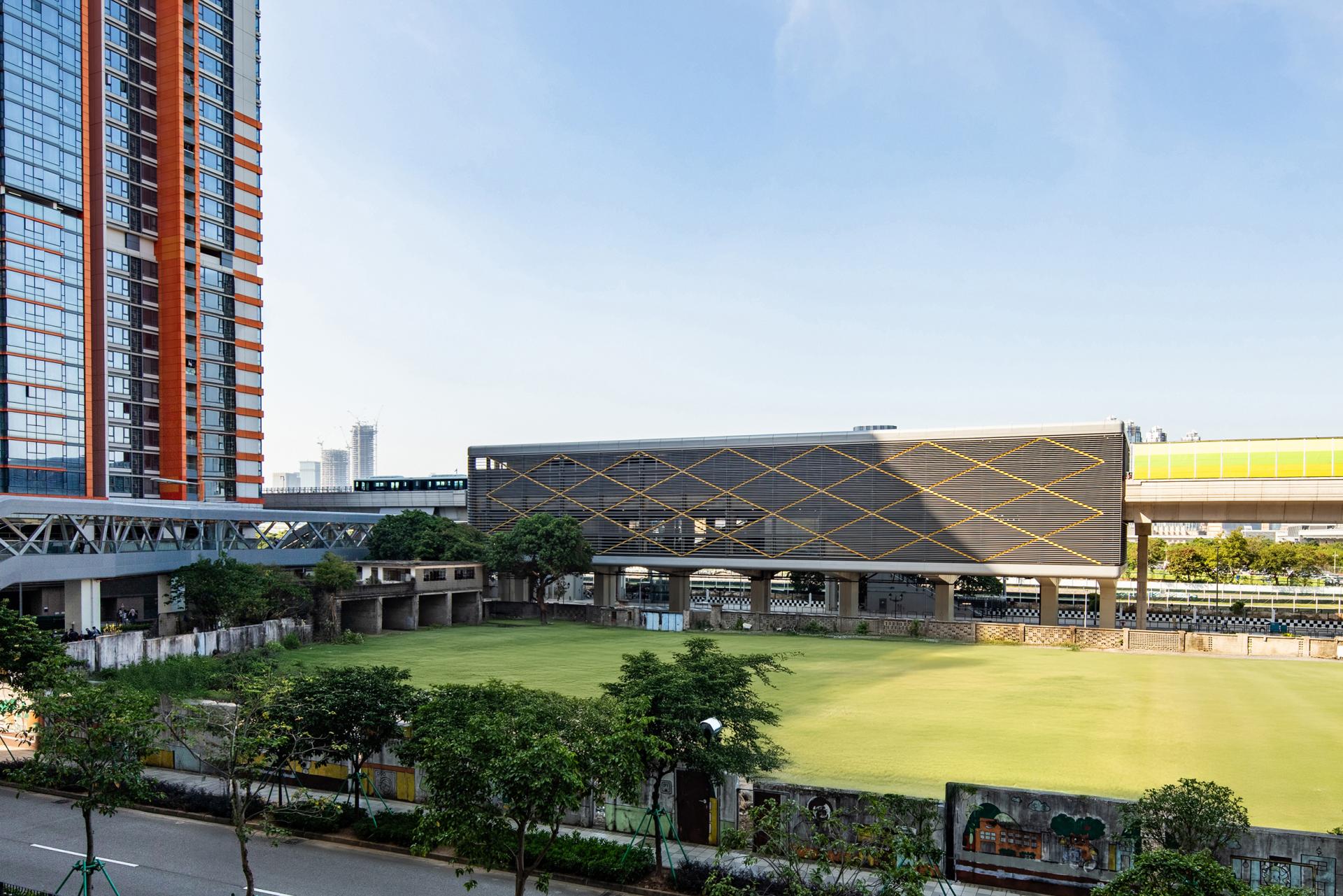
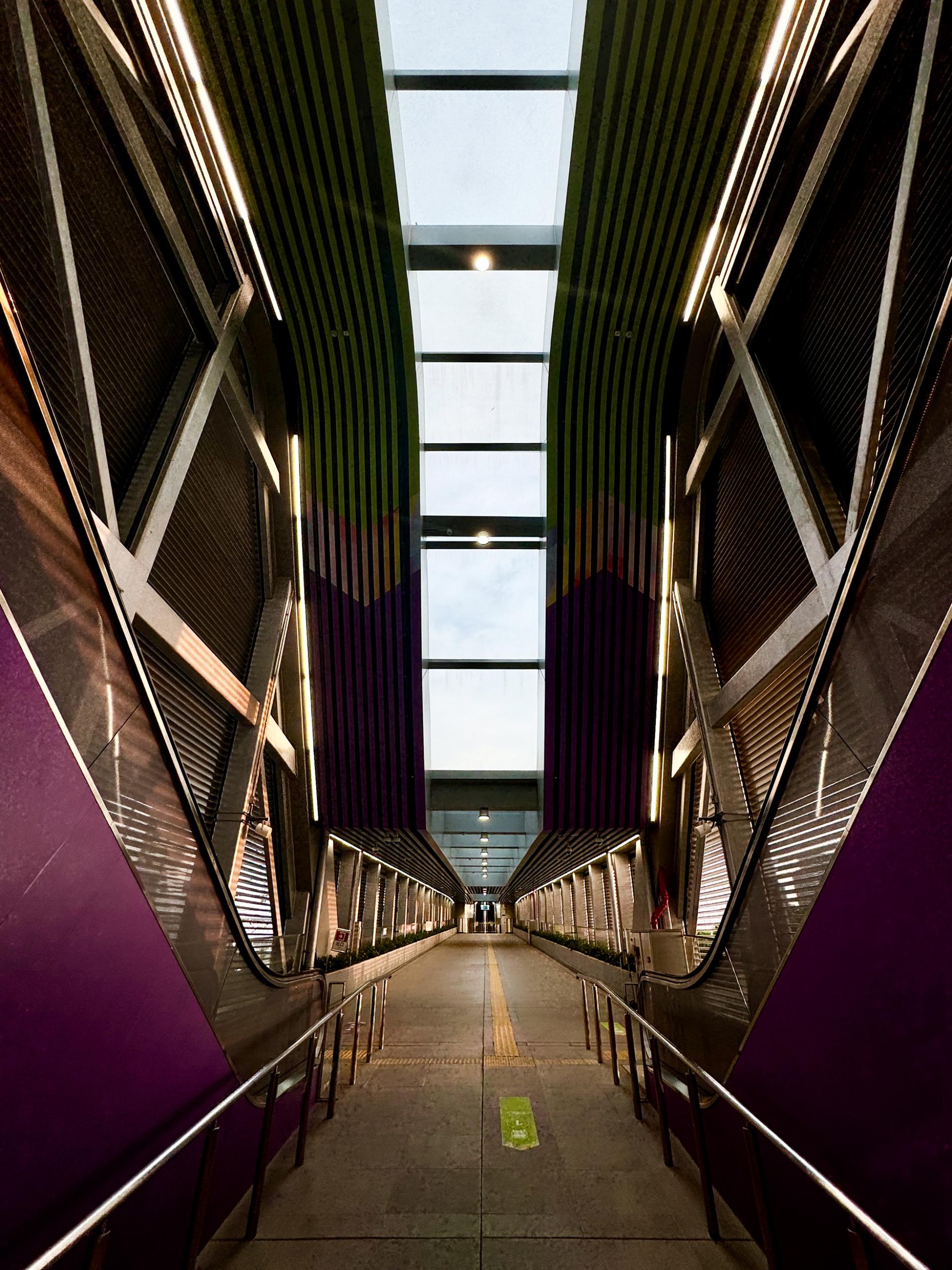
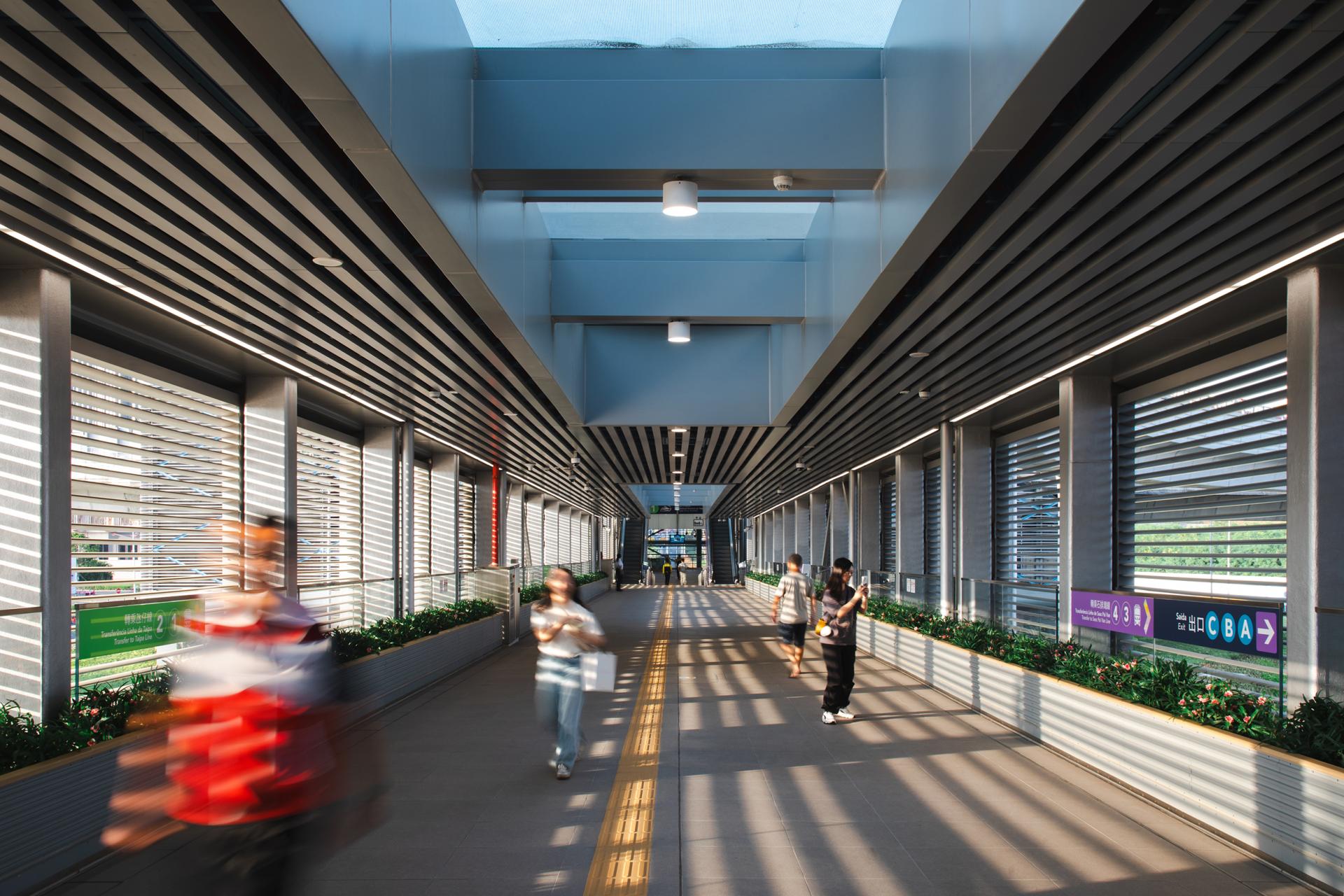
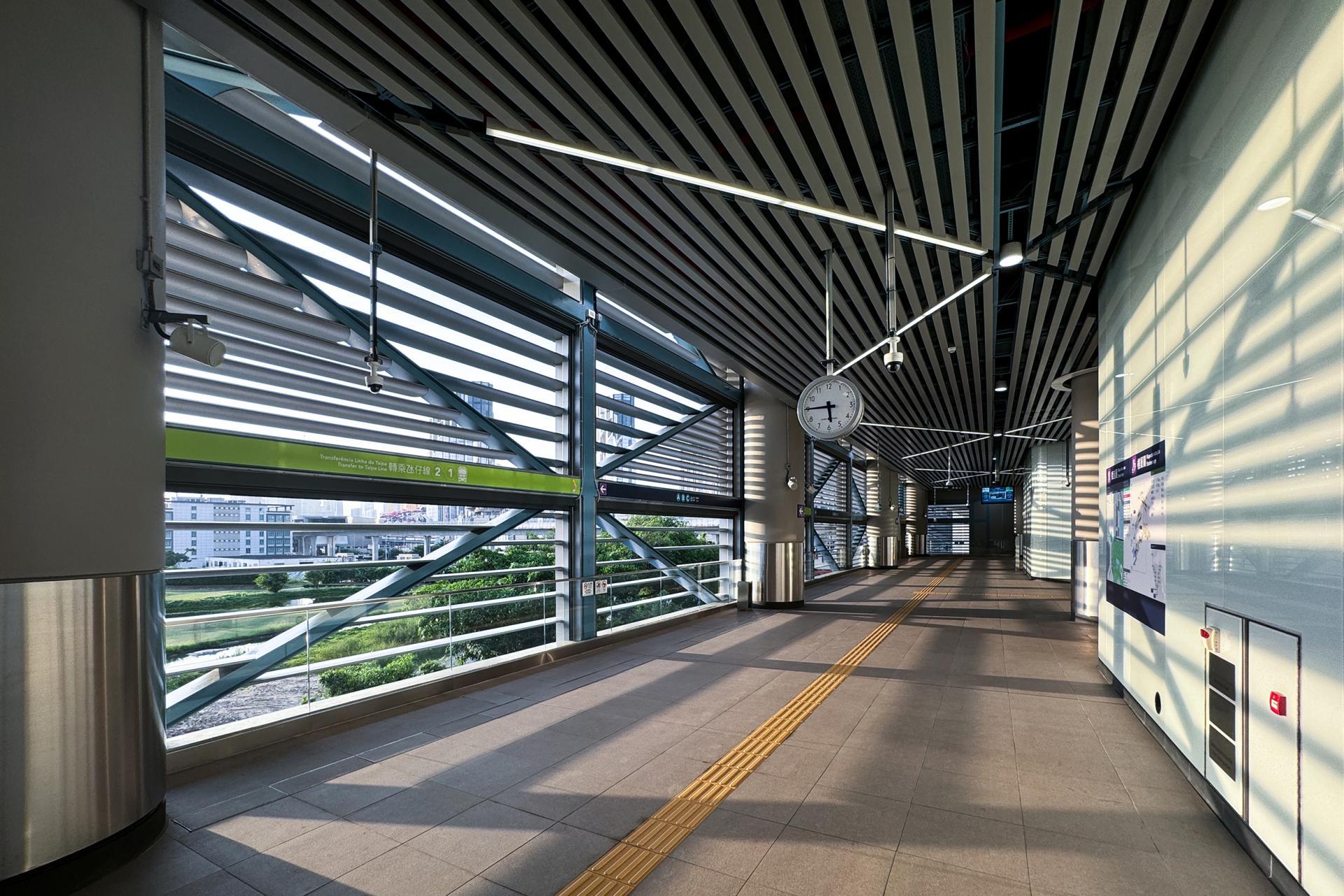
The opening of the Macau Light Rapid Transit Seac Pai Van (SPV) Line marks a significant advancement in the city’s commitment to sustainable urban mobility. This new elevated line of 1.6km comprises two strategically located stations - Union Hospital Station and Seac Pai Van Terminal Station.
It connects the vibrant residential community of Seac Pai Van in Coloane with the Taipa Line, improving accessibility to key destinations throughout the city, including the bustling Macau Peninsula. It supports Macau’s broader goals of reducing traffic congestion and pollution, as well as creating new opportunities for economic growth.
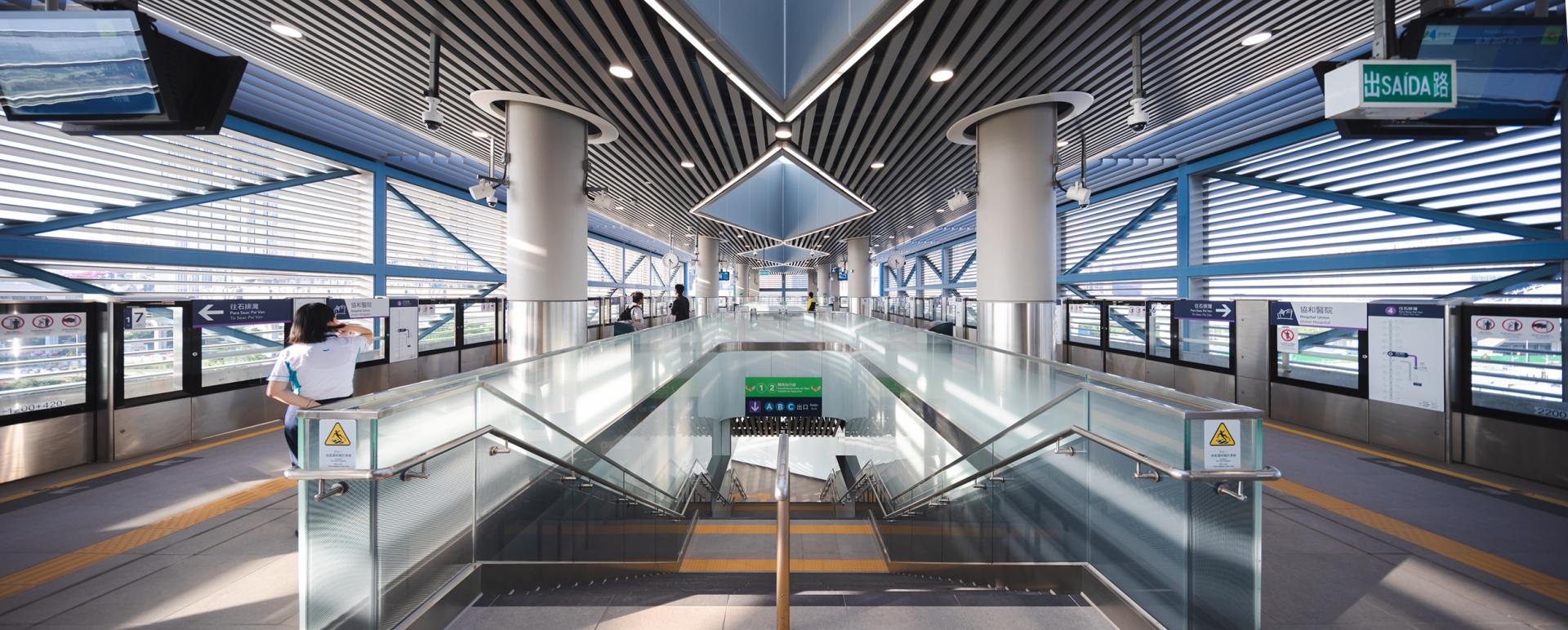
At the heart of the SPV Line’s success lies its innovative, human-centric design principles, which guided the architectural vision for the passive station design, ensuring an exceptional experience for passengers.
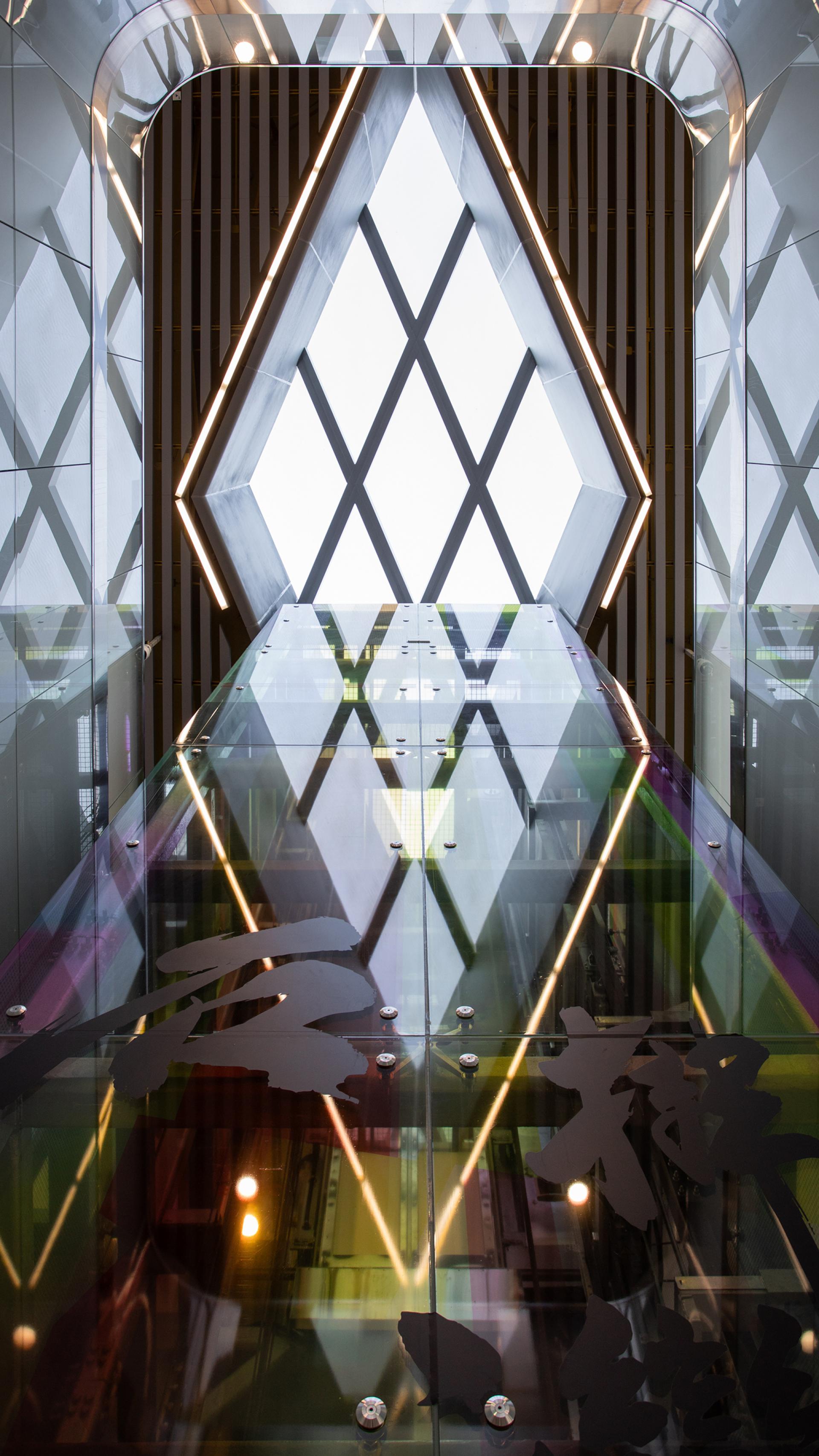
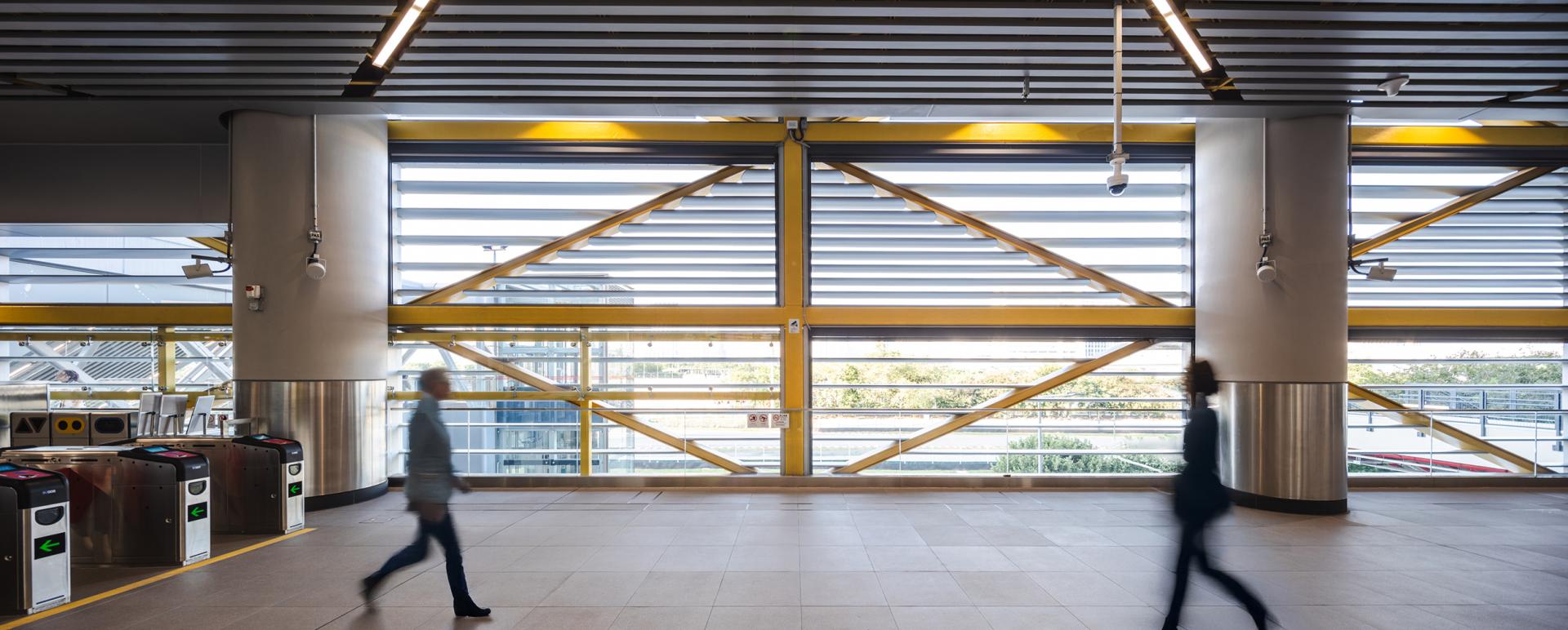
One notable feature is the design of the station skylights, strategically placed to harvest natural light to the core circulation areas. They not only enhance the station spatial quality, also facilitate passenger Wayfinding Design, during normal operation and in emergencies by architectural design, not relying on typical signage. The design allows passengers to visually gauge exit routes, alleviating anxiety in case of emergencies and promoting a sense of safety.
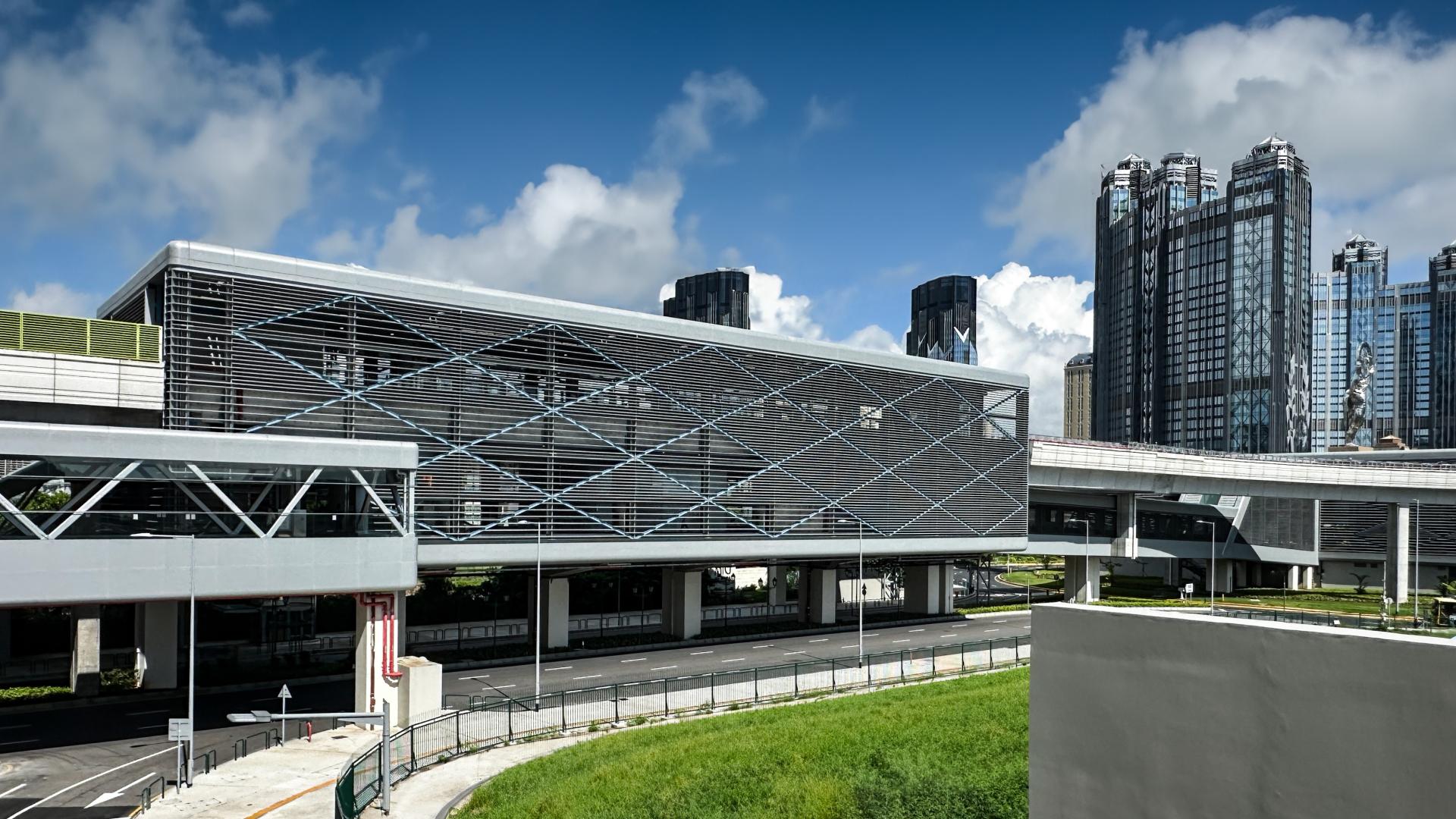
The architectural concept of the stations followed the design ethos: ‘simple’, ‘purposeful’, ‘efficient’ and ‘beautiful’. With the SPV line located at the dominant bookend of the famous Asia Las Vega of The Cotai Strip, the architectural design of the stations integrated cultural elements that reflect the local heritage. The façades beautifully celebrate the traditional Portuguese Azulejo tile artwork, creating a unique and elegant design that harmonises with the surrounding environment. This celebration of local culture enhances the station identity while meeting functional and safety requirements, such as static smoke discharge systems, wind-driven rain protection, solar heat gain reduction while allowing adequate natural light ingress and natural cross-ventilation.
The project exemplifies our commitment to passenger comfort and wellness. The thoughtful architectural design ensures that the stations remain cool and inviting, mitigating the challenges posed by the region's hot, tropical climate.
Featured Media
Credits

Entrant
KRIS LIN INTERNATIONAL DESIGN
Category
Interior Design - Office

Entrant
Jiangsu Impression Qiantu Culture Technology Co., Ltd.
Category
Interior Design - Showroom / Exhibit
Entrant
Guangzhou Yuantu Decoration Design Co., Ltd.
Category
Interior Design - Kitchen

Entrant
Suzhou Hezhan Design & Construction Co., Ltd.
Category
Interior Design - Office