2025 | Professional

National Wetland Museum of China
Entrant Company
Hangzhou Zhengye Decoration Design Co., Ltd.
Category
Interior Design - Museum / Gallery
Client's Name
National Wetland Museum of China
Country / Region
China
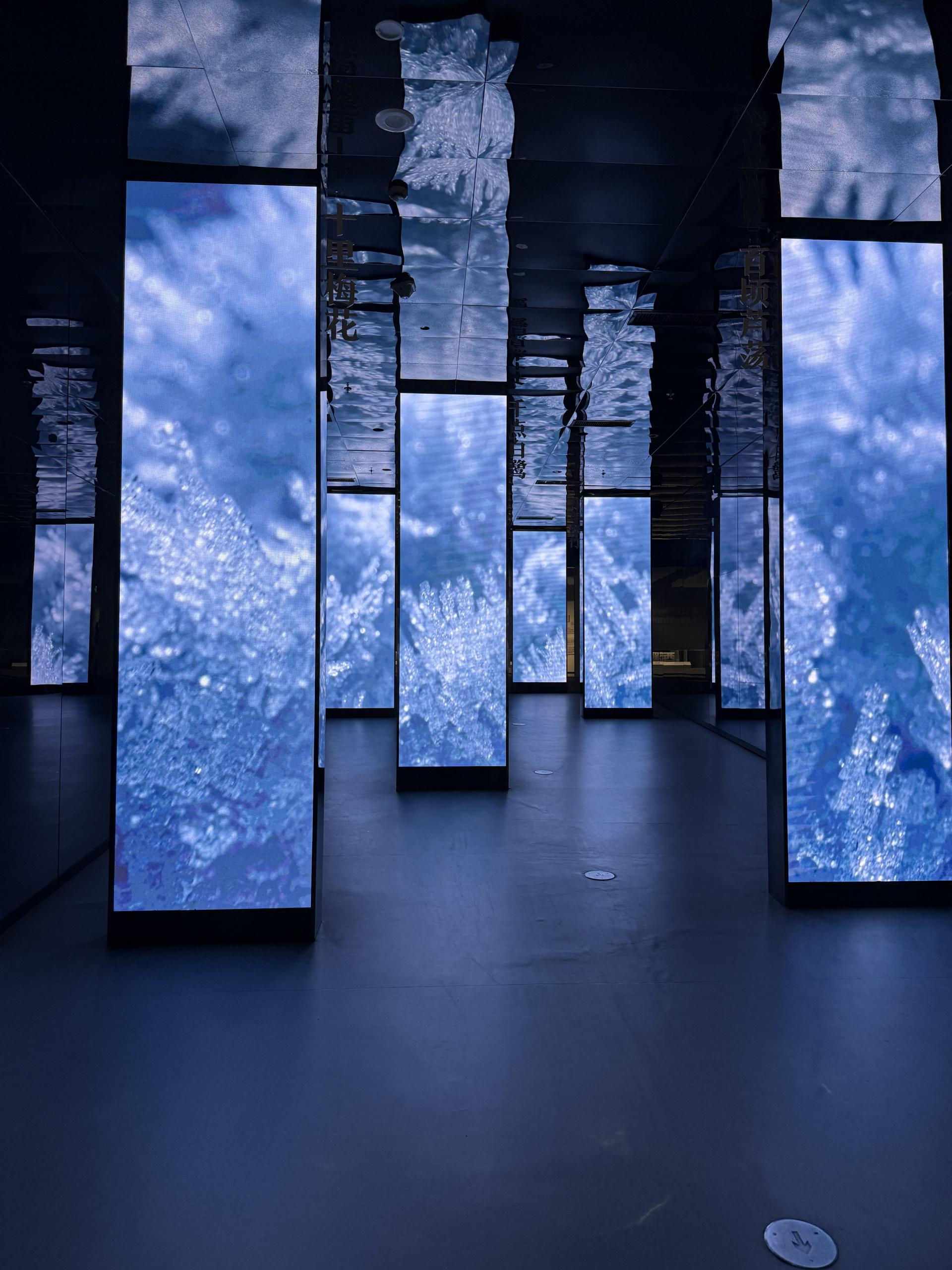
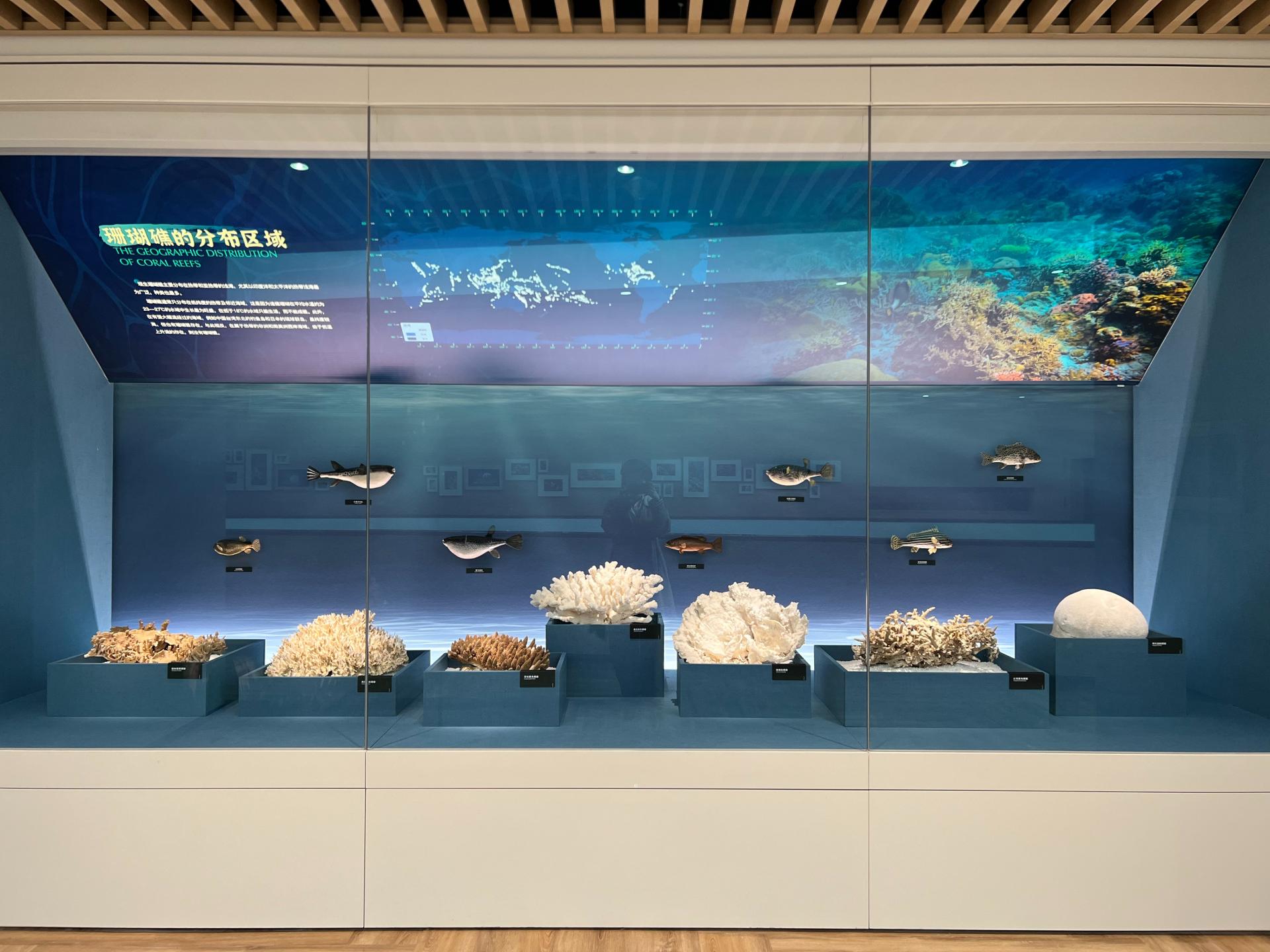
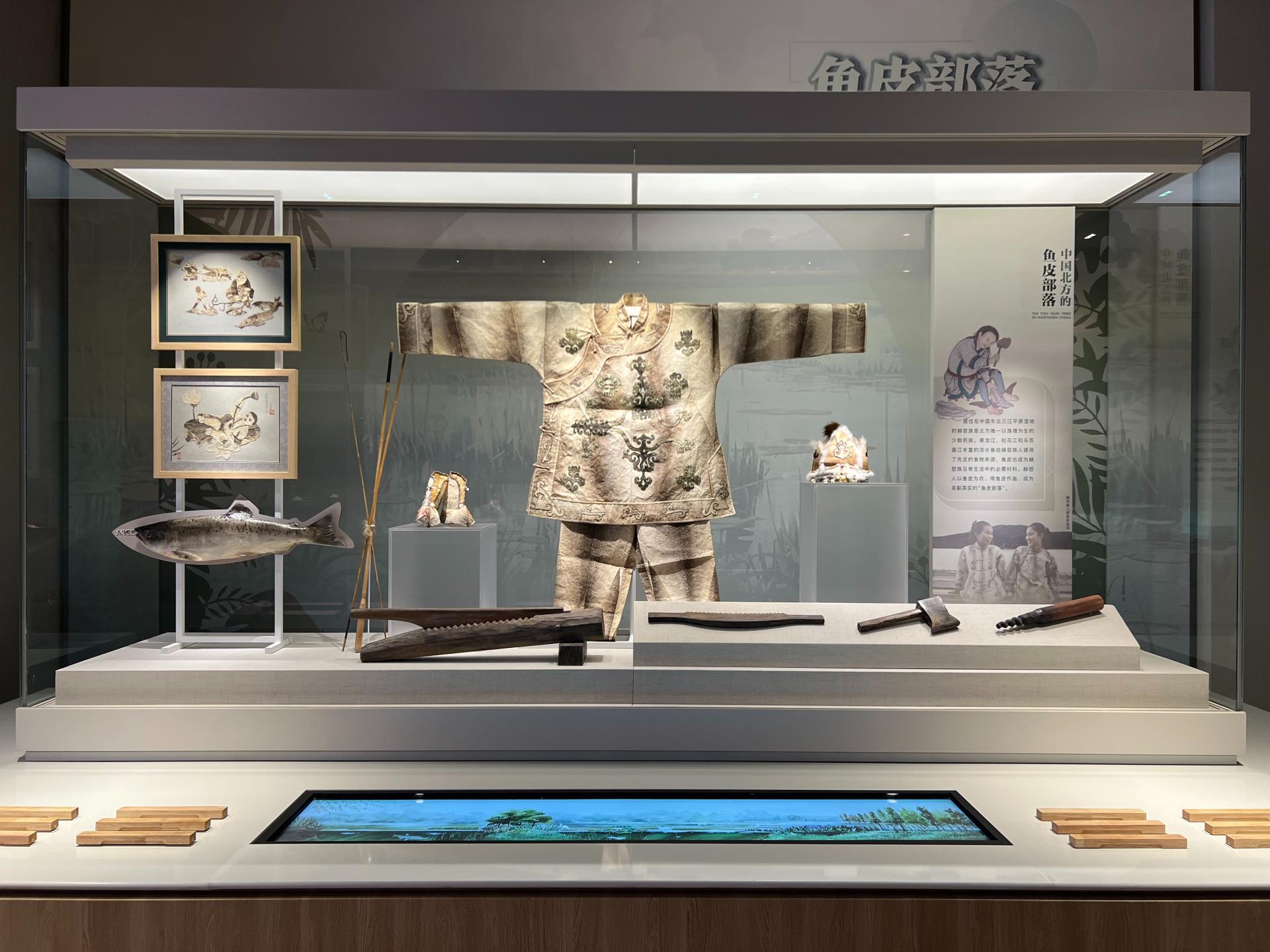
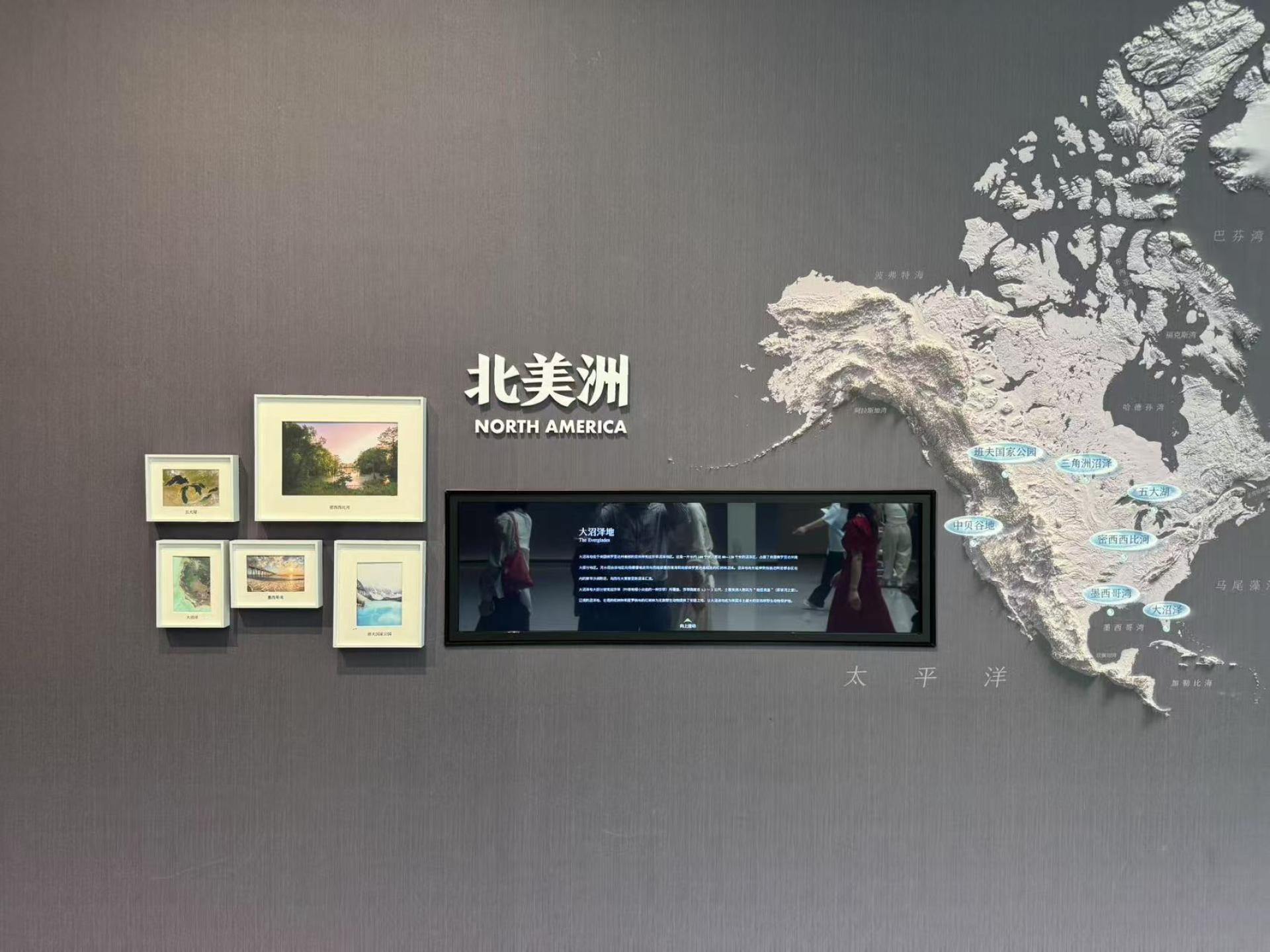
The Hangzhou Wetland Museum is situated within Xixi National Wetland Park, Hangzhou, China, and its architectural form was designed by architect Arata Isozaki under the concept of the “Green Hill,” seamlessly integrating architecture with the natural landscape. The interior design of the museum aims to enrich exhibitions, enhance visitor experience, and create a professional, engaging, and open green knowledge space that inspires stronger public commitment to wetland protection.
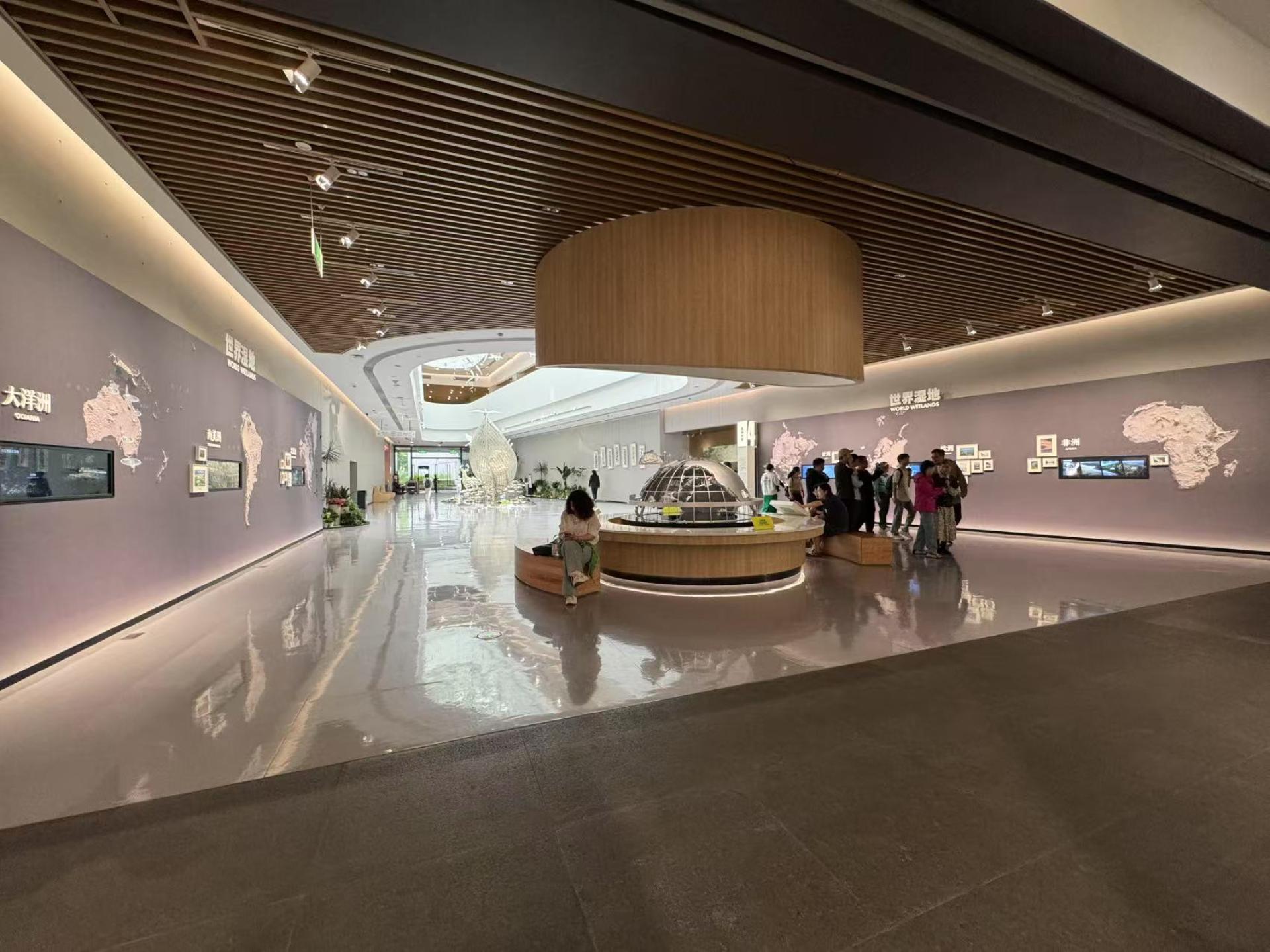
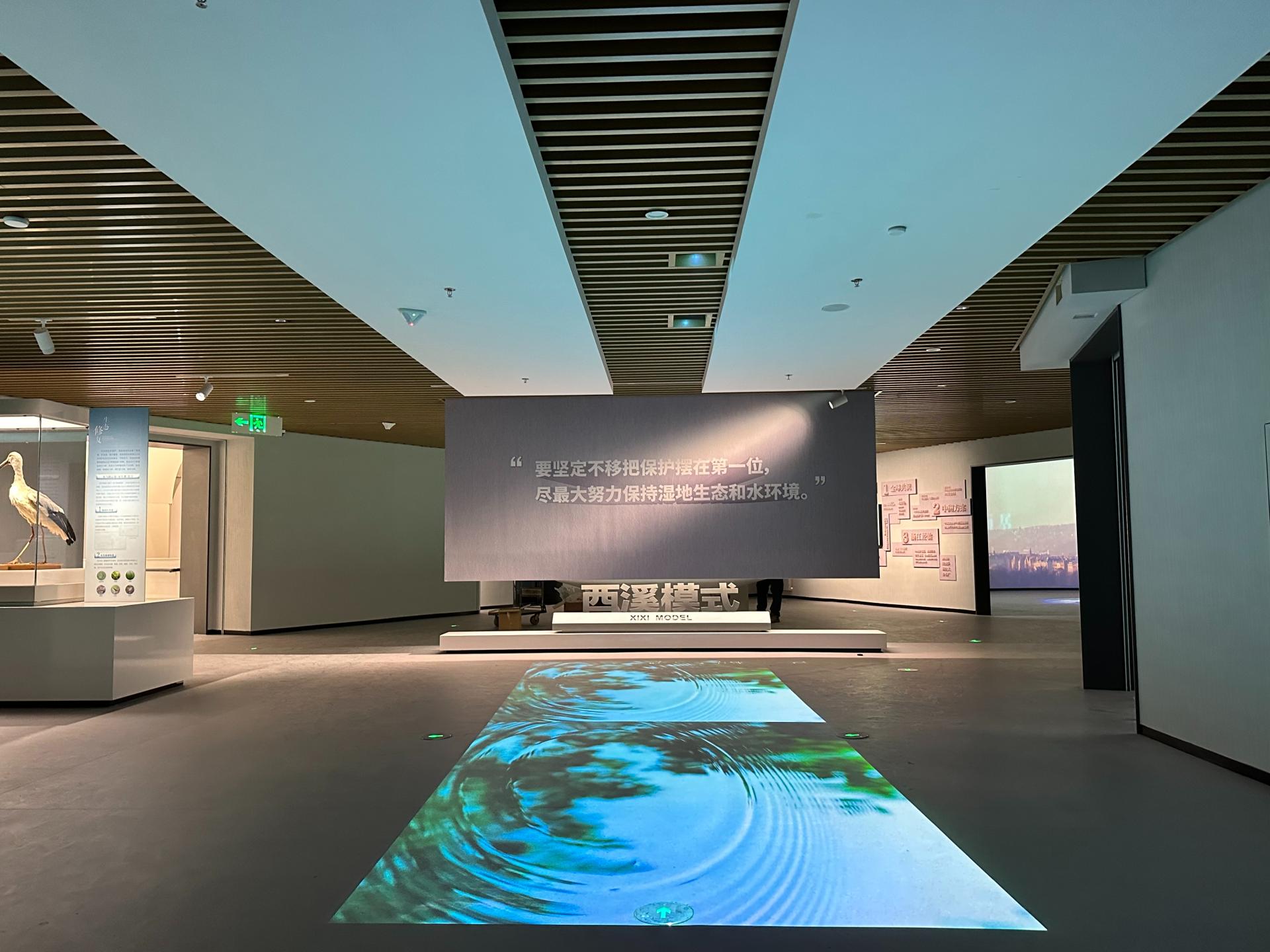
The core design philosophy emphasizes the idea that “humans and wetlands are a shared life community,” unfolding the narrative from “global consensus → China’s achievements → Xixi experience.” By highlighting Chinese practices, advocacy, and pathways, the museum demonstrates China’s contribution to global wetland protection, revealing not only the ecological codes of China but also offering Eastern wisdom to the world.
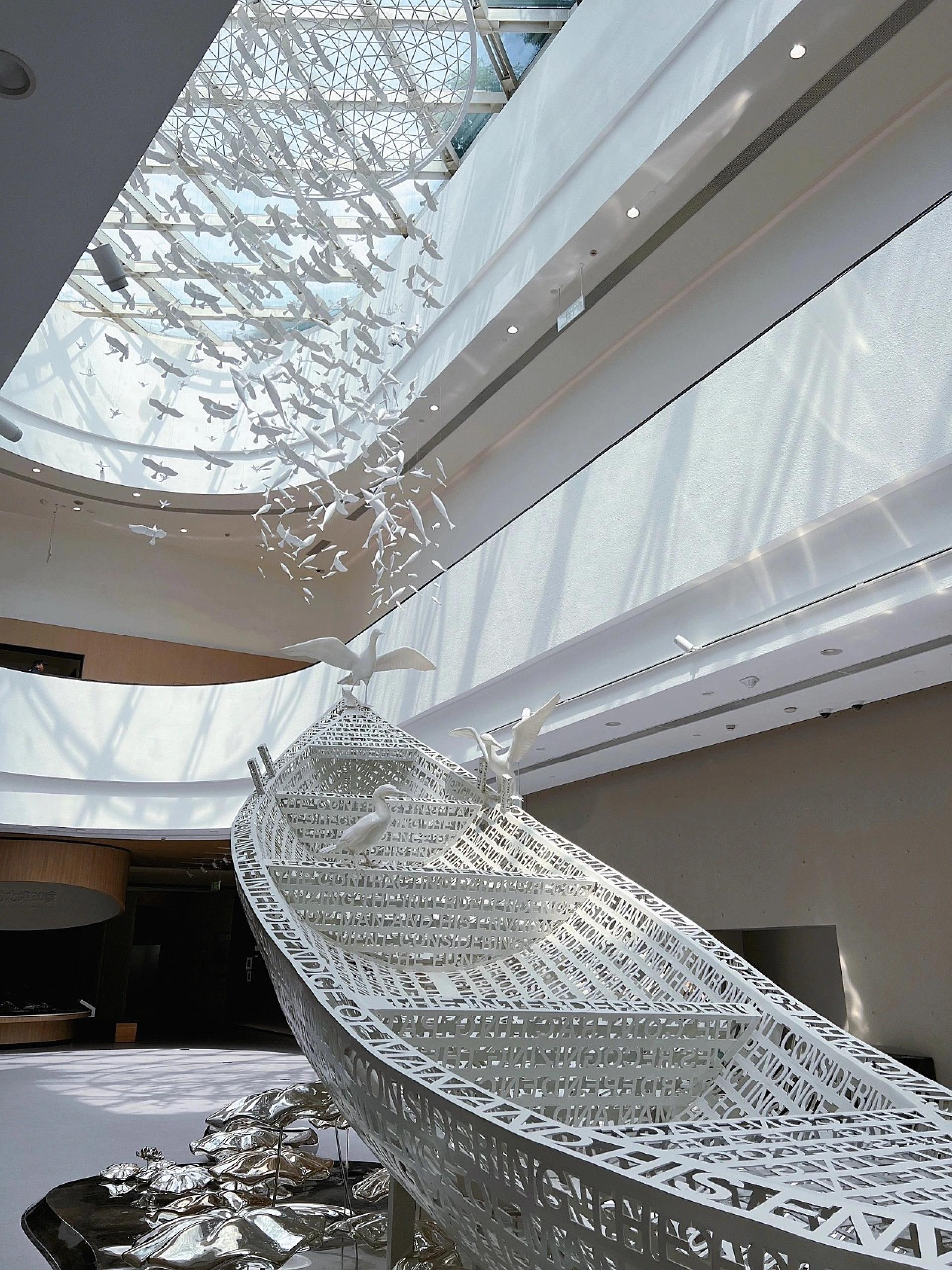
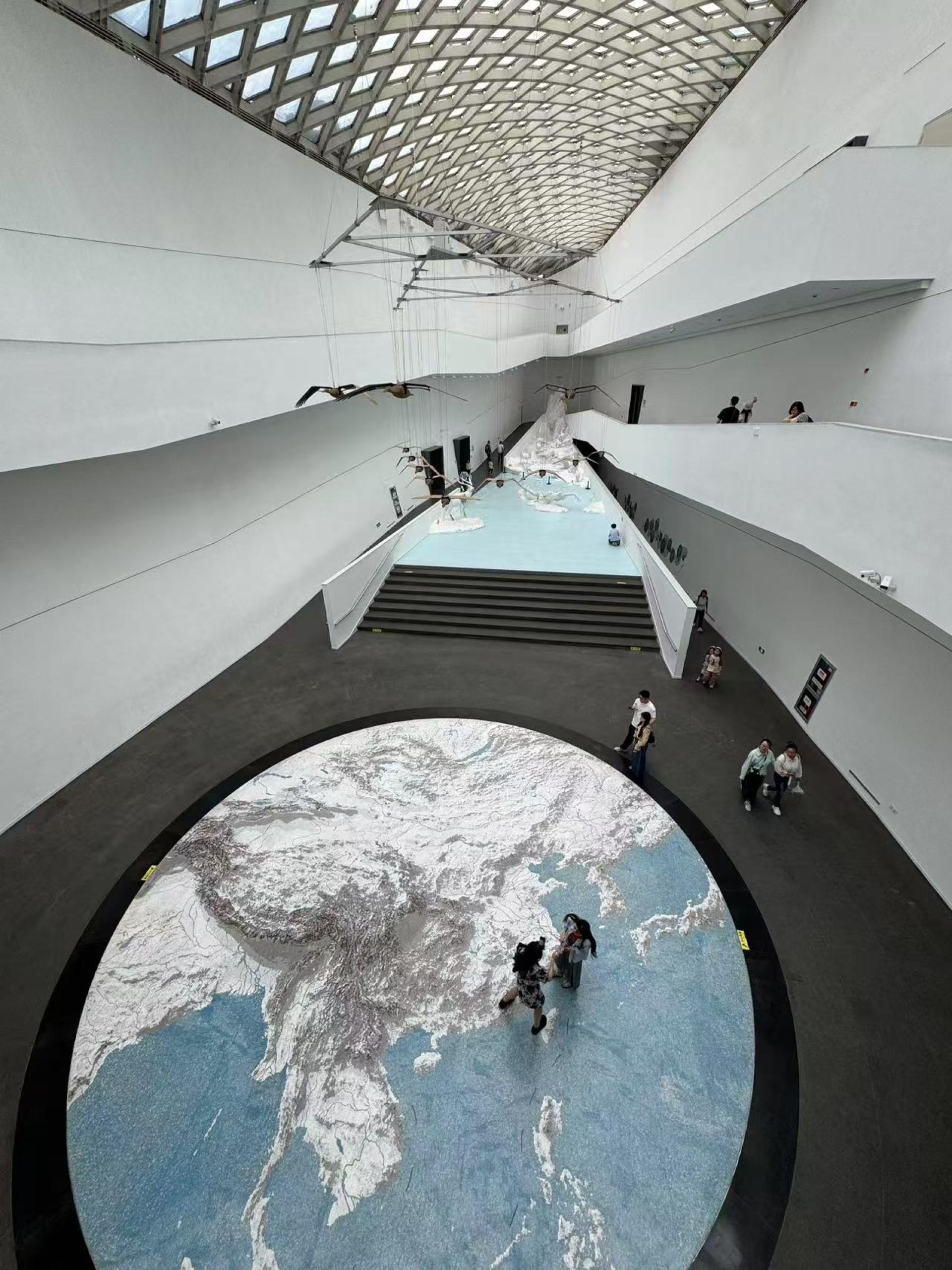
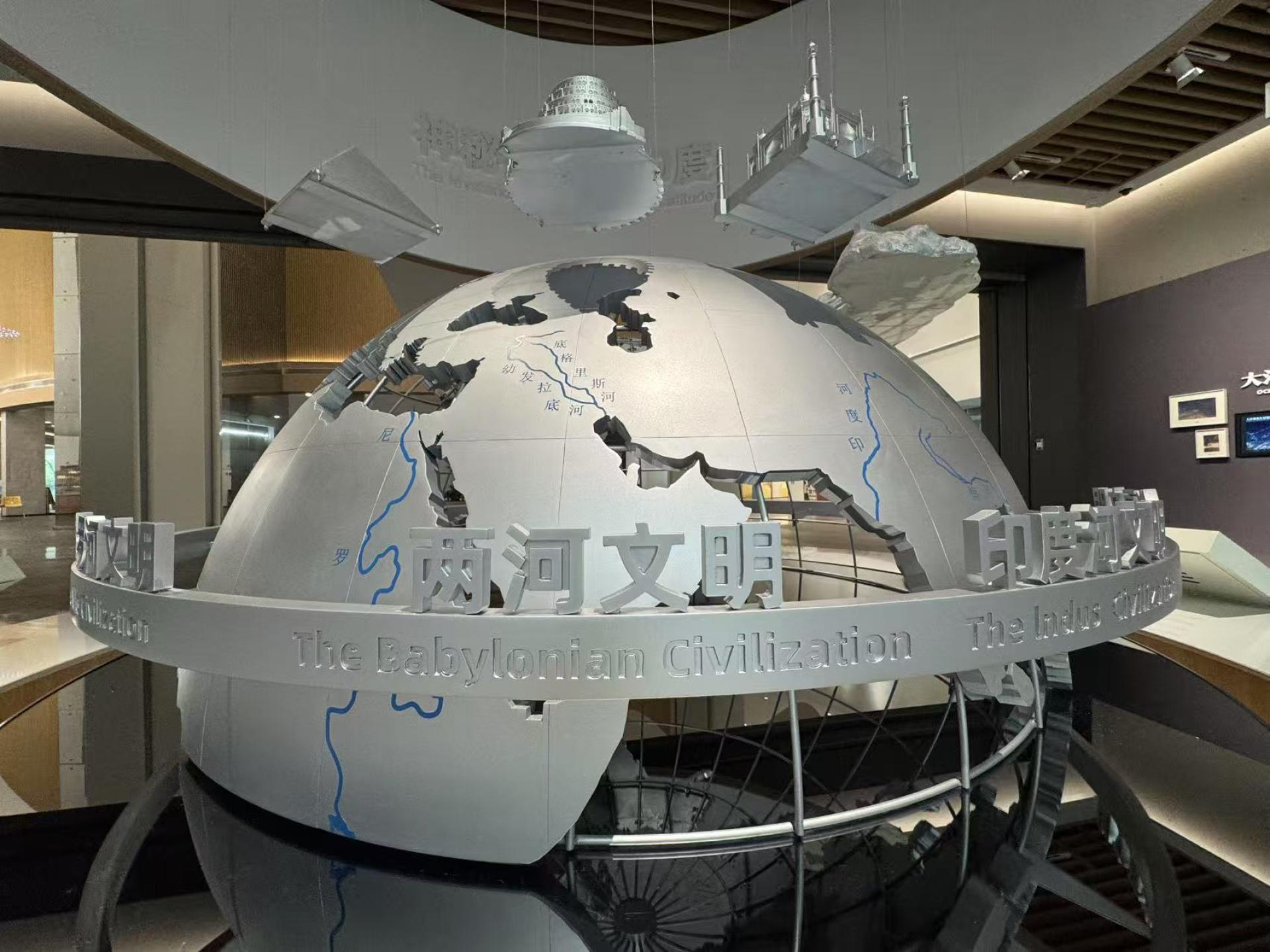
The design draws inspiration from the metaphor “Wetlands as a Boat,” transforming the text of the Ramsar Convention into a canoe-shaped installation, symbolizing the wetland as a “life ark” sustaining all beings. Surrounding birds, fish, and deer illustrate the interconnectedness of humans and wildlife, echoing the region’s 5,000-year history of harmonious coexistence. Key installations include the “Life Ark” in the foyer, the magical “30°N Latitude” exhibit tracing ancient civilizations nourished by rivers, the ten-meter China water system map in the atrium, and the “Symbiosis” themed exhibition, depicting endangered species and harmonious ecosystems along a tiered landscape.
Material selection and detailing further reinforce the conceptual narrative. Pure white metal replaces traditional materials to symbolize wetland purity while ensuring durability against natural light exposure. Skylights penetrate the perforated “Life Ark” installation, casting flowing text shadows onto the floor, merging artistic metaphor with functional illumination and visitor engagement.
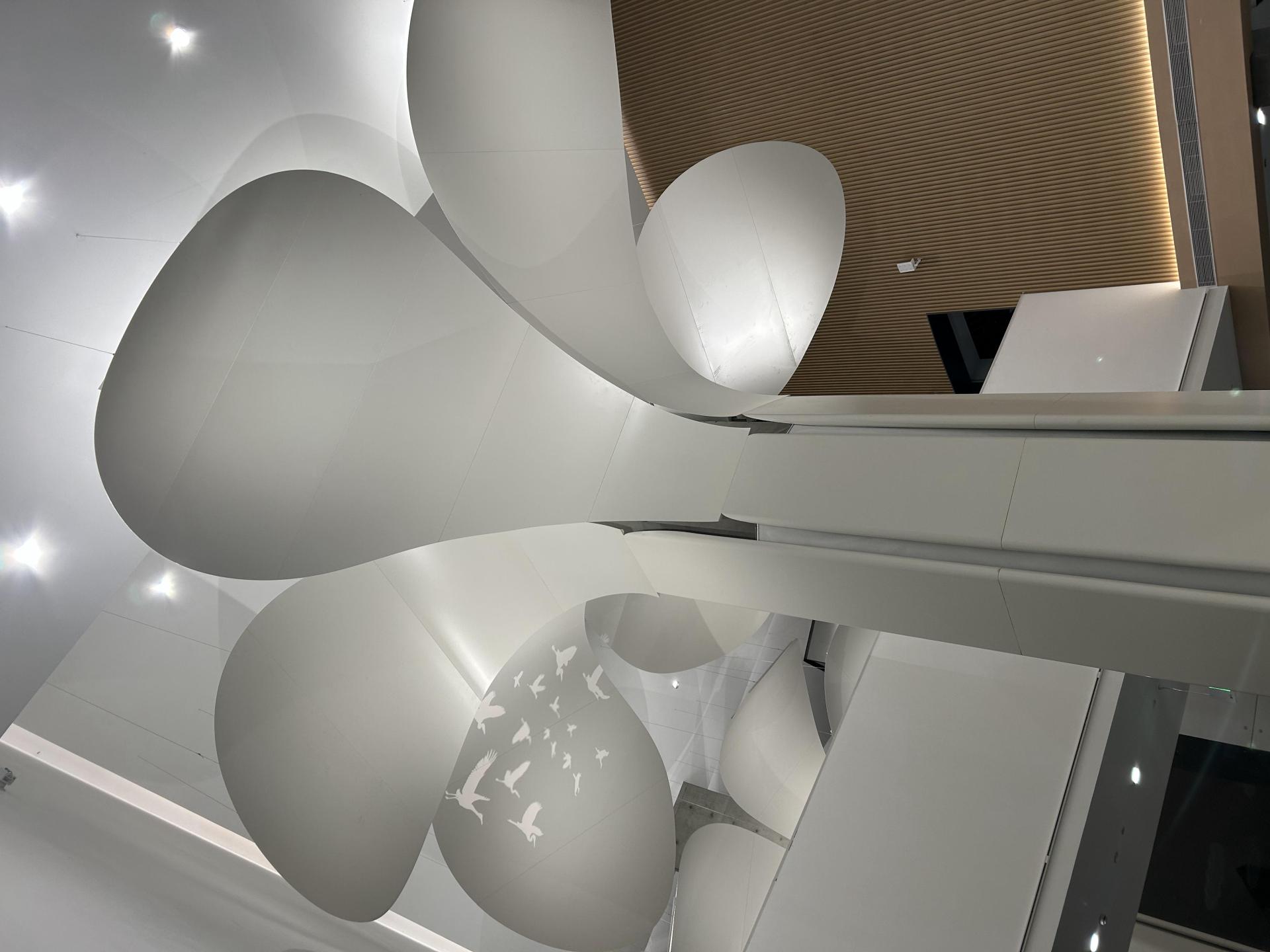
Sustainability was integrated throughout. Preserved glass skylights introduce abundant natural light, honoring Isozaki’s “hidden in nature” philosophy. Sunlight plays across installations and atrium sculptures, animating the contours of wetland life and enhancing visitor comfort while extending the exhibition experience into the environment itself.
This project exemplifies a seamless fusion of architecture, environmental storytelling, and experiential, creating a compelling narrative where art, nature, and public engagement converge.
Credits

Entrant Company
Mind Design
Category
Interior Design - Showroom / Exhibit

Entrant Company
CREEP DESIGN CO., LTD
Category
Interior Design - Beauty Salon

Entrant Company
Atelier GOM + Huijin Zheng
Category
Architectural Design - Small Scale & Installation
Entrant Company
MoreIn Design
Category
Interior Design - Residential