2026 | Professional

Dome of Stone, Sipping the Light
Entrant
HOCKI INTERIOR DESIGN ENGINEERING CO., LTD.
Category
Interior Design - Residential
Client's Name
Country / Region
Taiwan
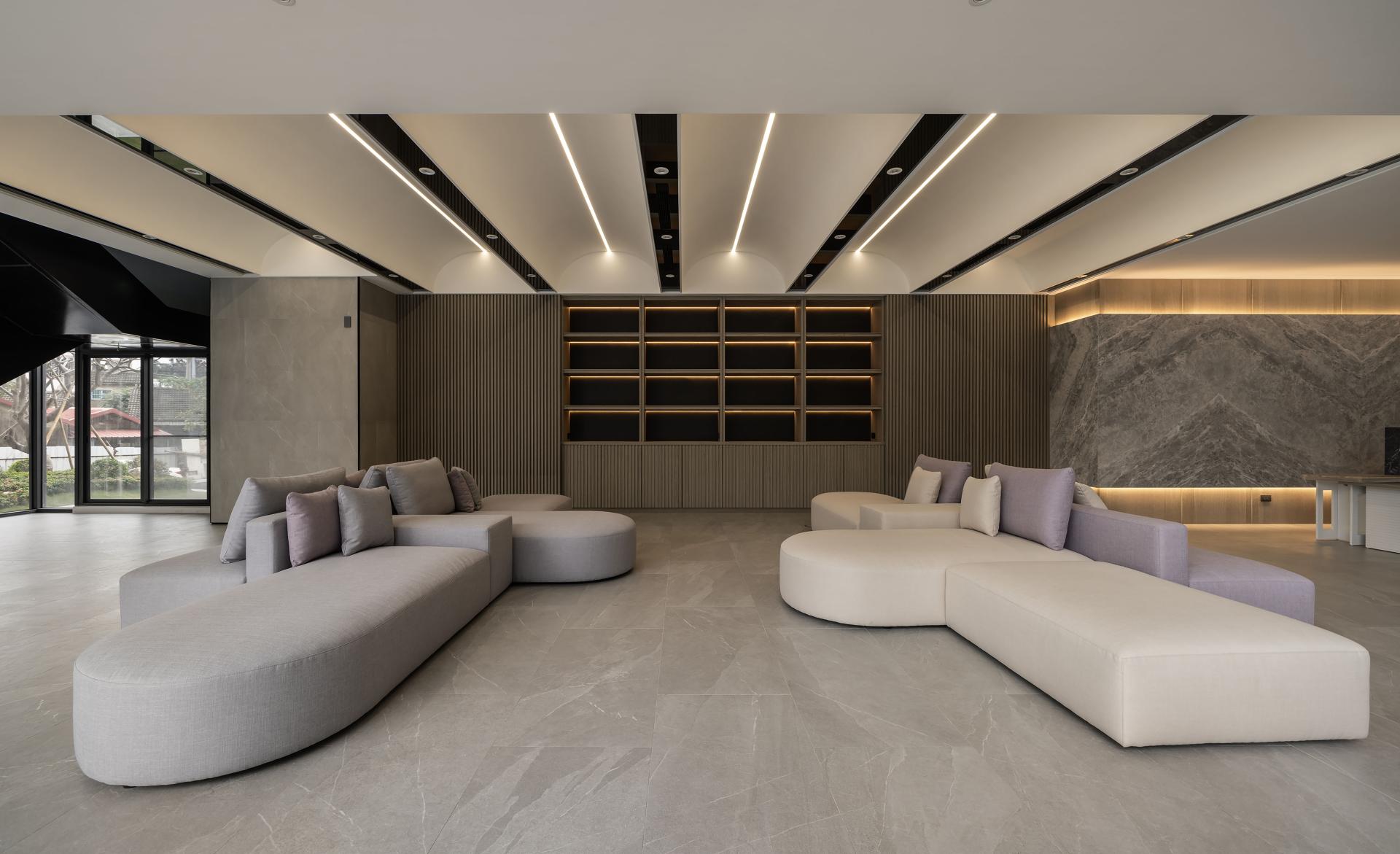
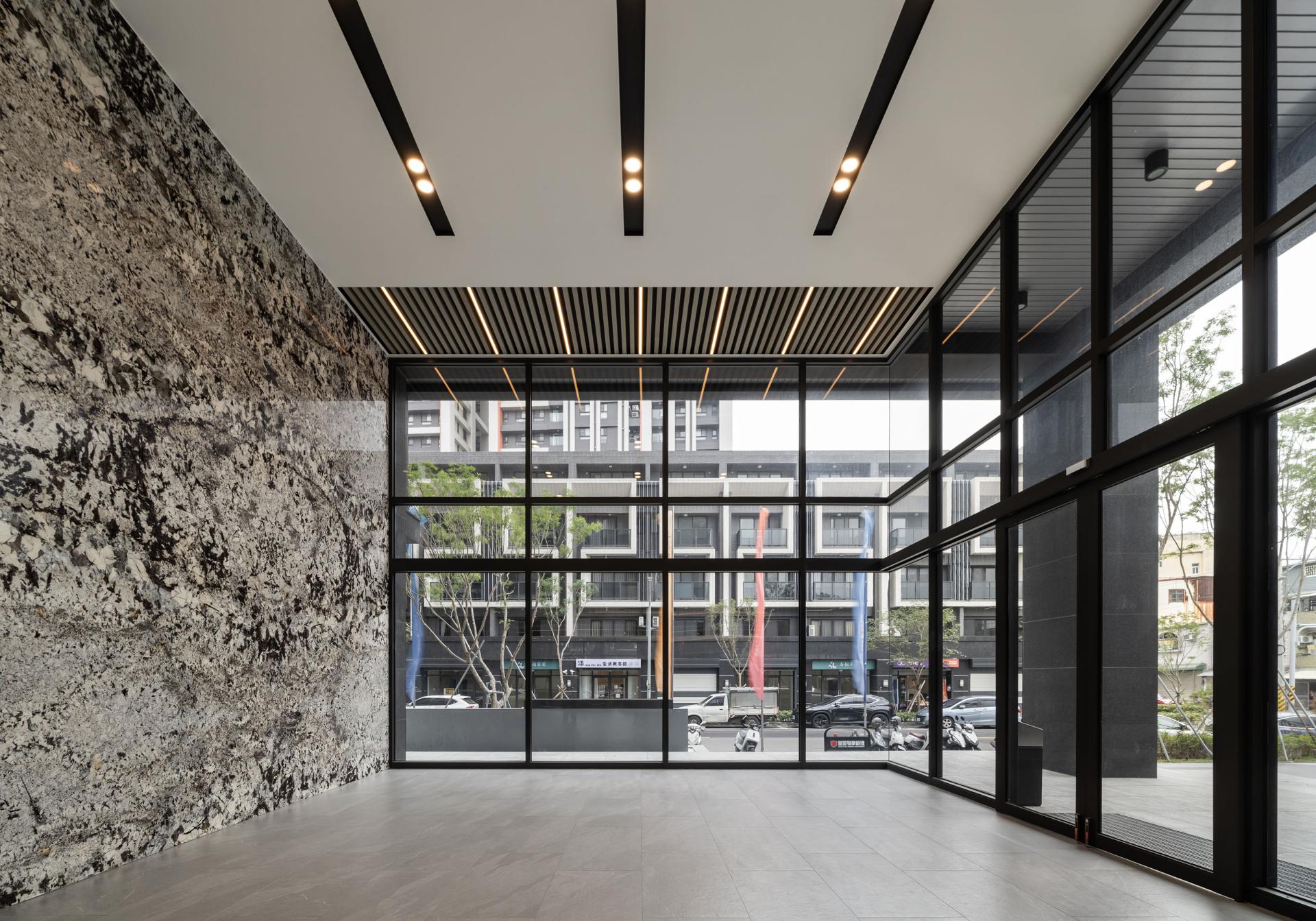
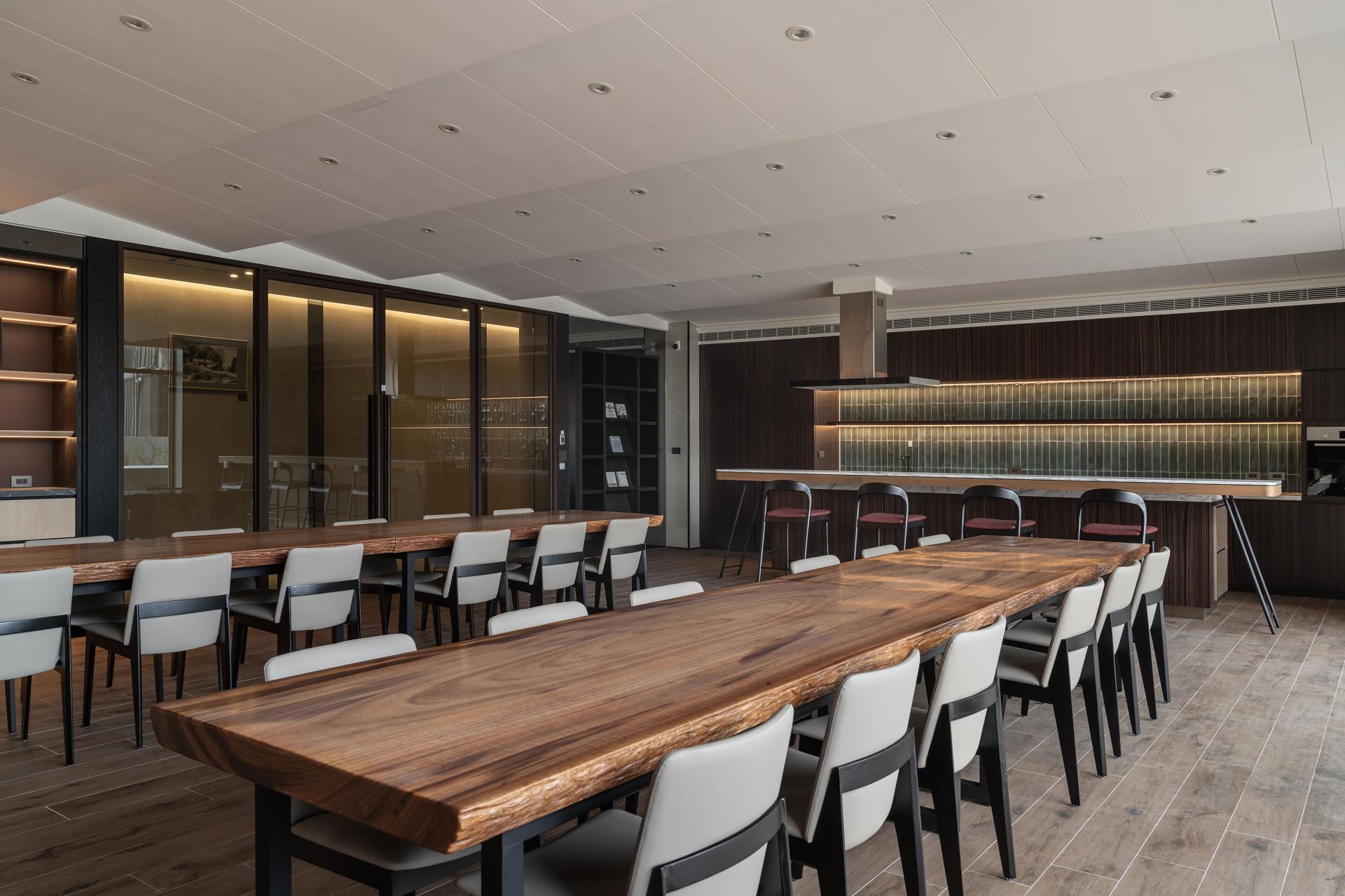
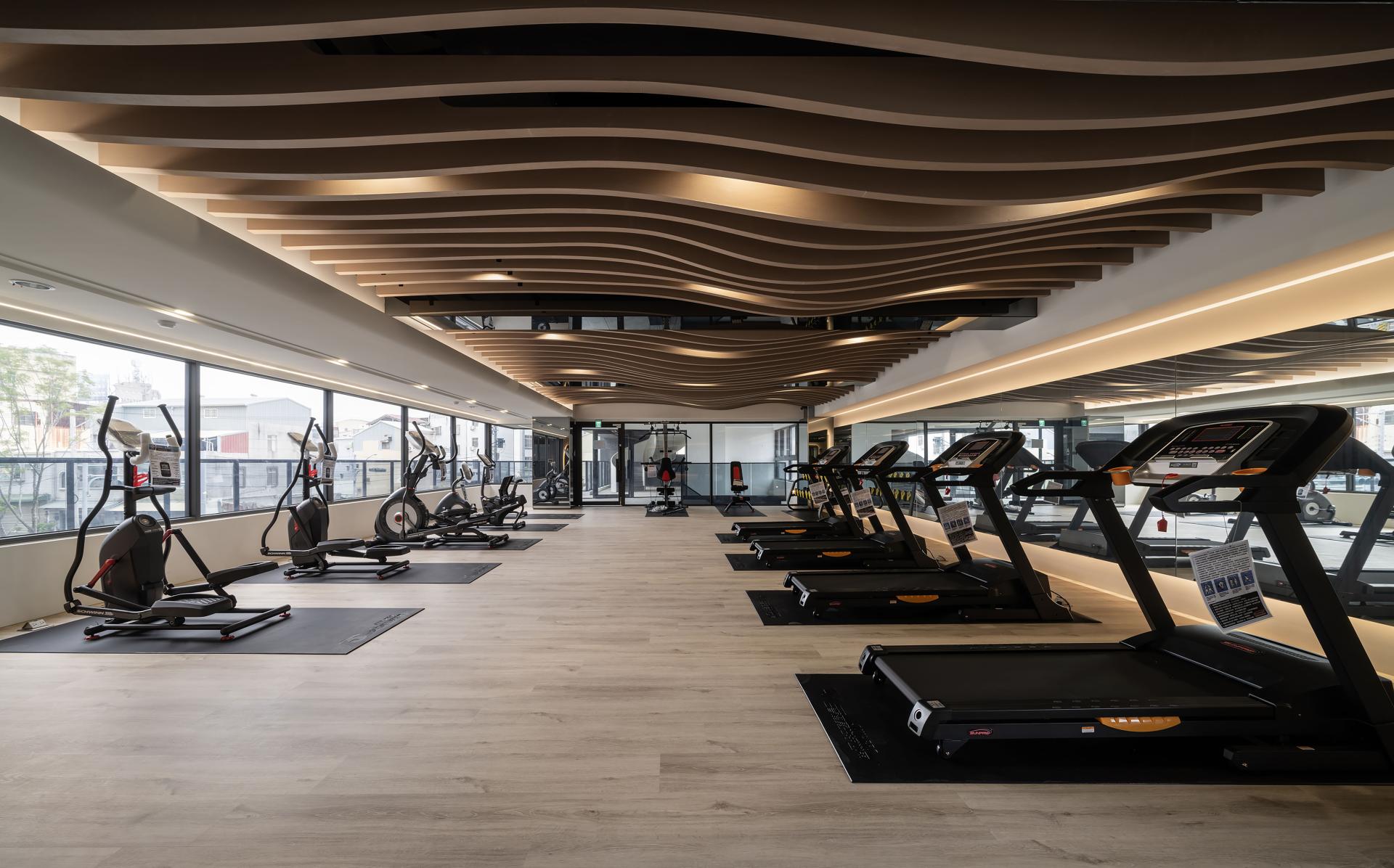
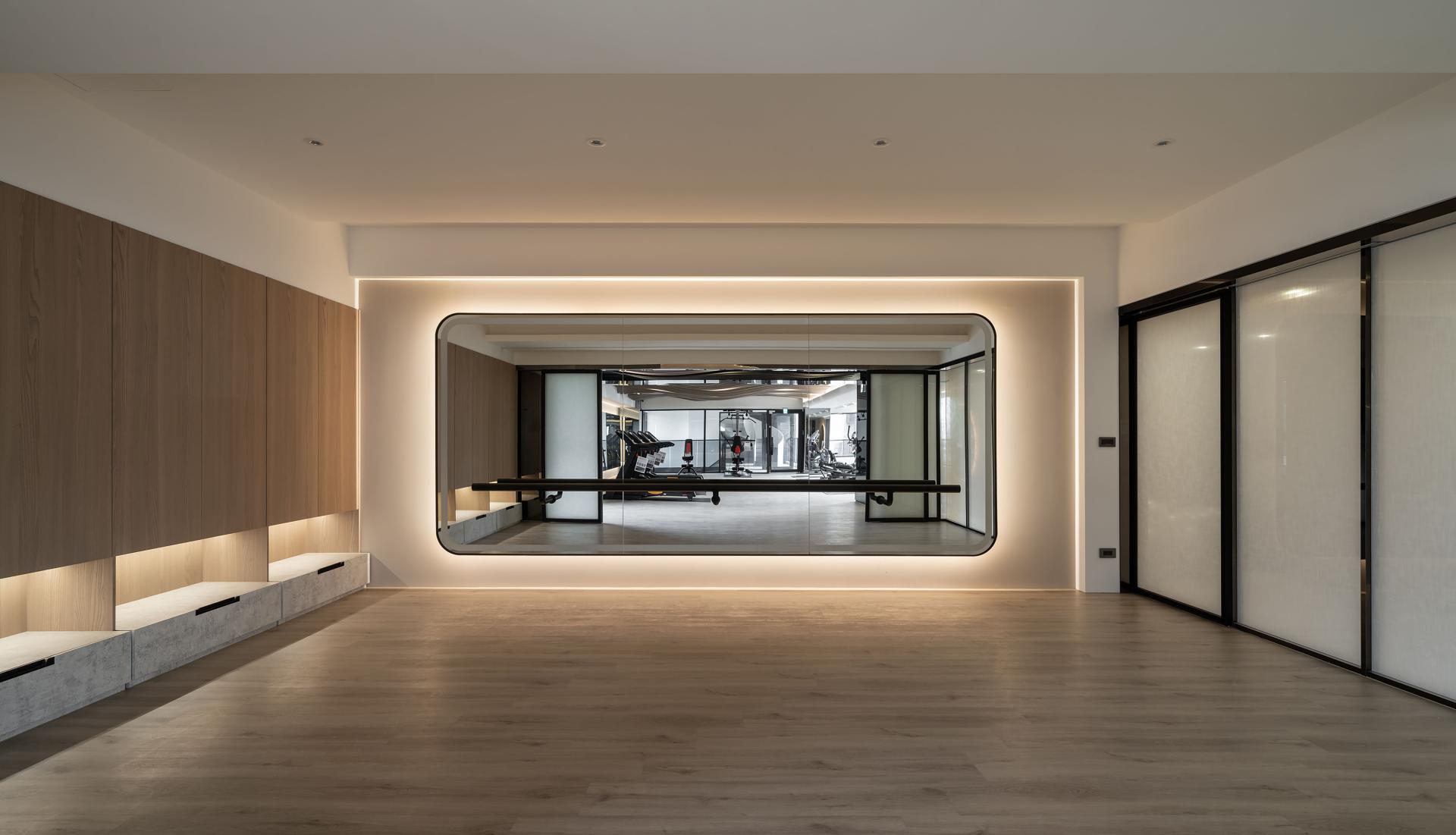
The entry feature wall showcases book-matched marble, its natural veining unfolding like ink-wash gradients. Paired with the soft translucency of laminated fabric glass, the composition balances solidity and lightness. In the corridors and lounge areas, warm timber cladding and vertical slatted screens soften the coolness of stone and add a sense of comfort. Titanium-coated stainless steel and blackened metal trims mark transitions between materials, refining edges and connecting elements with quiet minimalism. Stone is the primary language of the space. Glass, metal, and natural wood add rhythm and nuance. As residents return home, these shifts in material and light guide their minds toward calm, grounding their mood and easing them into rest. The project reimagines condominium amenities, shifting from single-purpose rooms to multifaceted lifestyle environments. The lobby adopts an open configuration. Dual-aspect sofas and swiveling lounge chairs form an island layout that encourages fluid movement and varied social interactions. This arrangement removes directional restraint and supports everything from casual family time and neighborly gatherings to solo reading and quiet relaxation. It creates an authentic living room for the community. On the first floor, the multifunctional study area centers on a flexible circulation loop and a dual-height bar counter. The counter accommodates both seated and standing options and serves as a workspace, demonstration platform, or display zone. Hidden storage, mobile seating, and stroller- and wheelchair-friendly paths let the space support cooking workshops, parenting classes, community events, and more. On the second floor, the gym and yoga room have movable partitions that shift between focused exercise zones and shared multiuse areas, significantly enhancing spatial efficiency. Material selection returns to natural foundations. Durable, low-maintenance stone, timber veneer, and metalwork combine with FSC-certified wood to create a low-carbon framework. Energy-saving strategies shape the architectural planning. Carefully placed openings and natural ventilation routes reduce dependence on artificial lighting and mechanical cooling. The lighting system uses zoned controls and occupancy sensors. Hallways and library walls activate LED fixtures according to foot traffic. The yoga room uses indirect lighting to create a serene ambiance. This adaptable lighting approach lets residents tailor the environment to their needs.




Credits

Entrant
Zhuhai Tessan Power Technology Co., Ltd.
Category
Product Design - Digital & Electronic Devices
Entrant
Liang Feng
Category
Interior Design - New Category
Entrant
Cultural Affairs Bureau of Hsinchu
Category
Conceptual Design - Exhibition & Events

Entrant
YE DESIGN
Category
Architectural Design - Cultural