2026 | Student

Enhanced Underwater Hockey Stick Design
Entrant Company
Crystal Springs Uplands School
Category
Product Design - Sports Equipments
Client's Name
Country / Region
United States
Underwater hockey is a fast-paced, physically demanding team sport played on the bottom of a swimming pool. Athletes swim on a single breath while using short sticks to maneuver a weighted puck into goals. The sport demands precise stick control, rapid underwater movement, and strong tactile feedback, all within a dense fluid environment. For a brief introduction to the sport and its intensity, see:
https://www.youtube.com/watch?v=SAukrpTEvZA
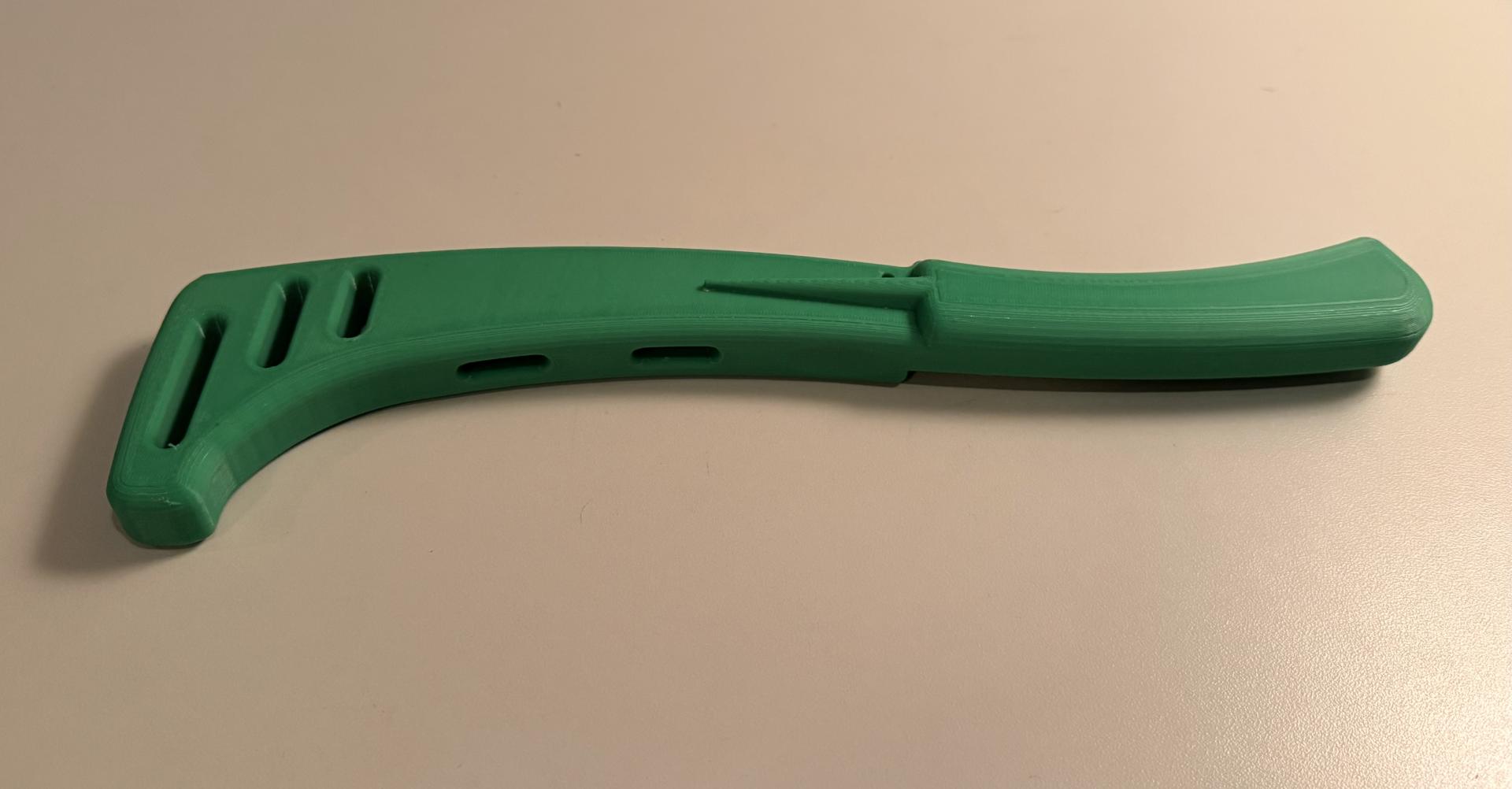
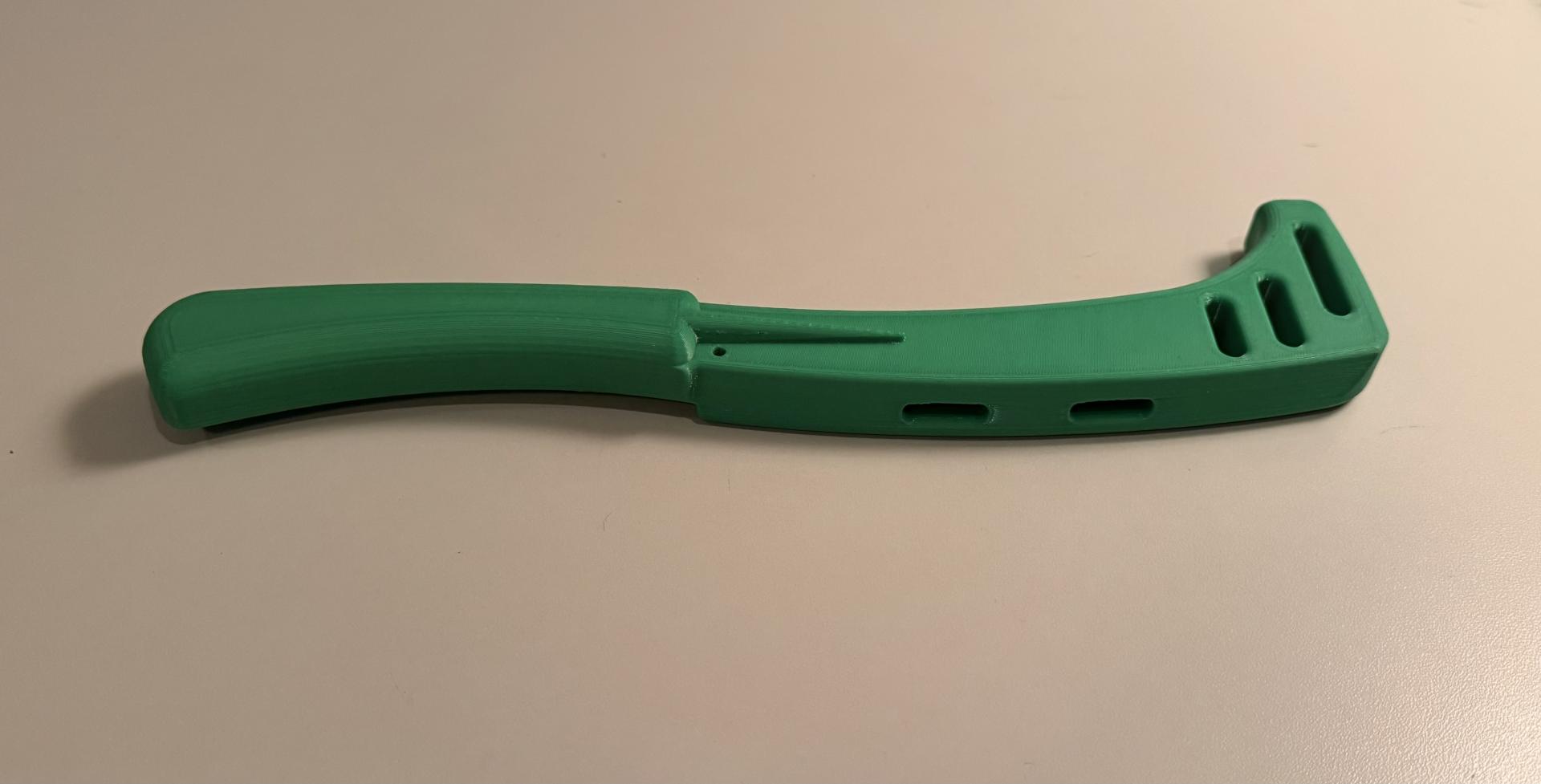
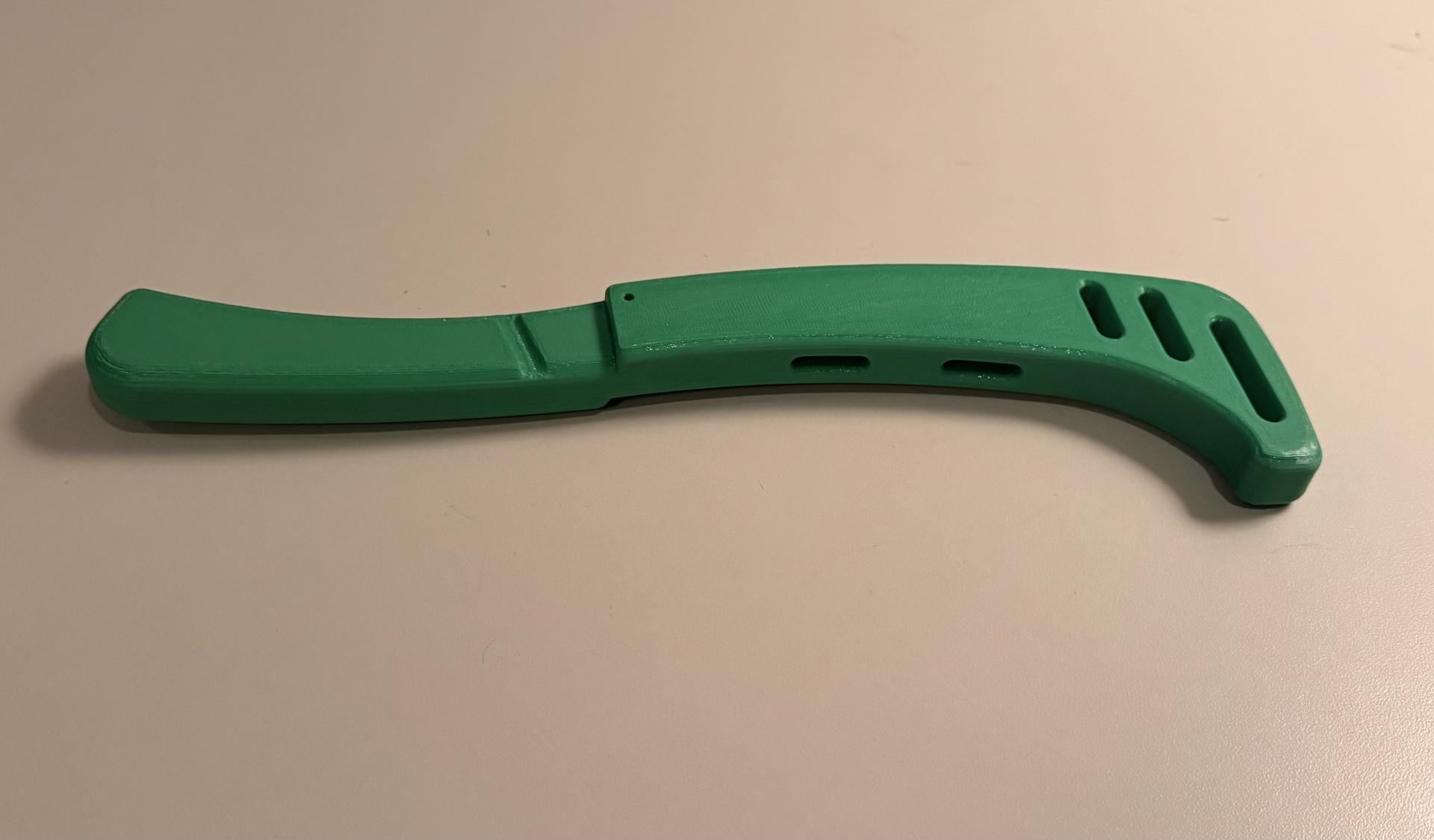
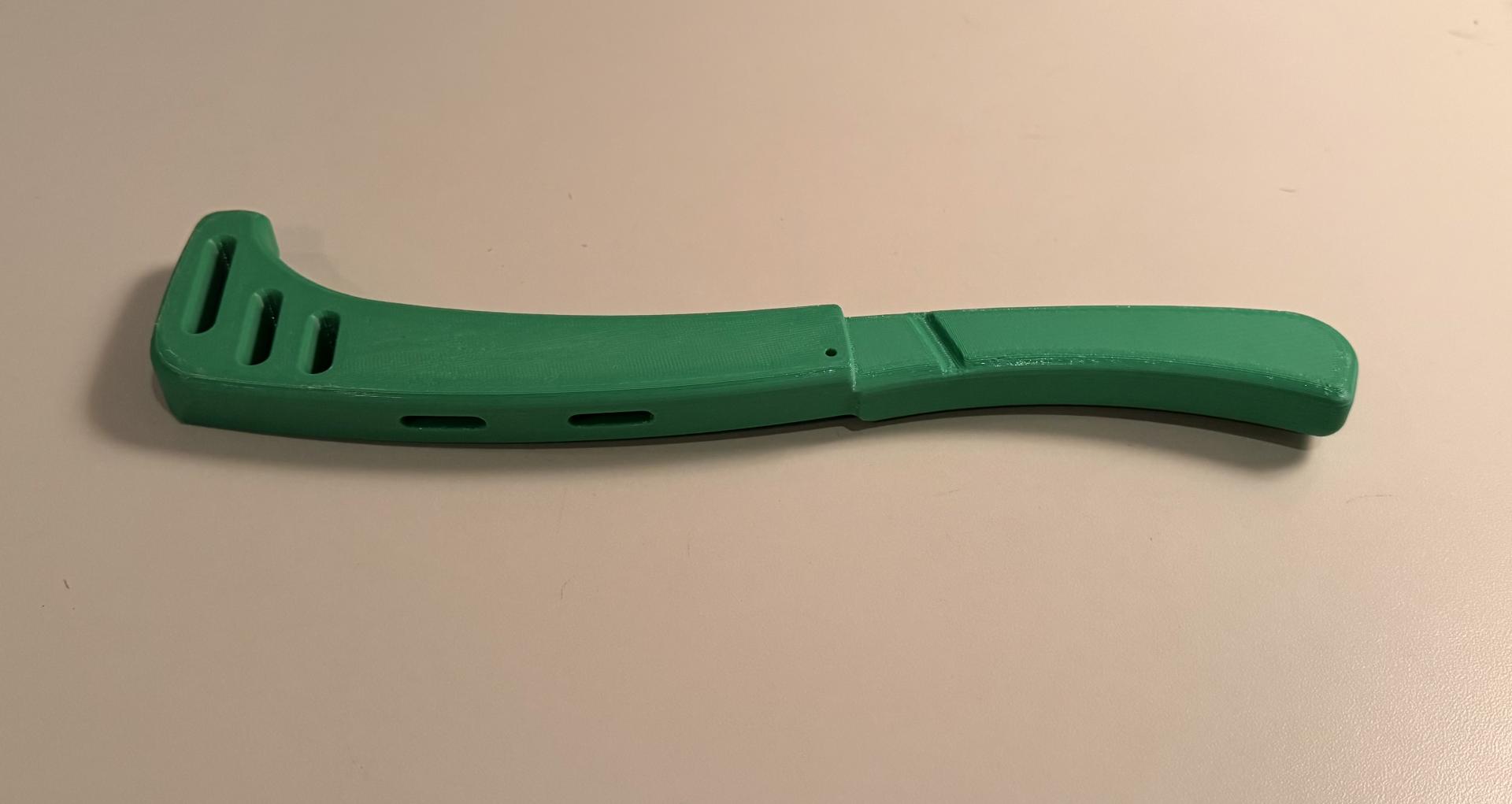
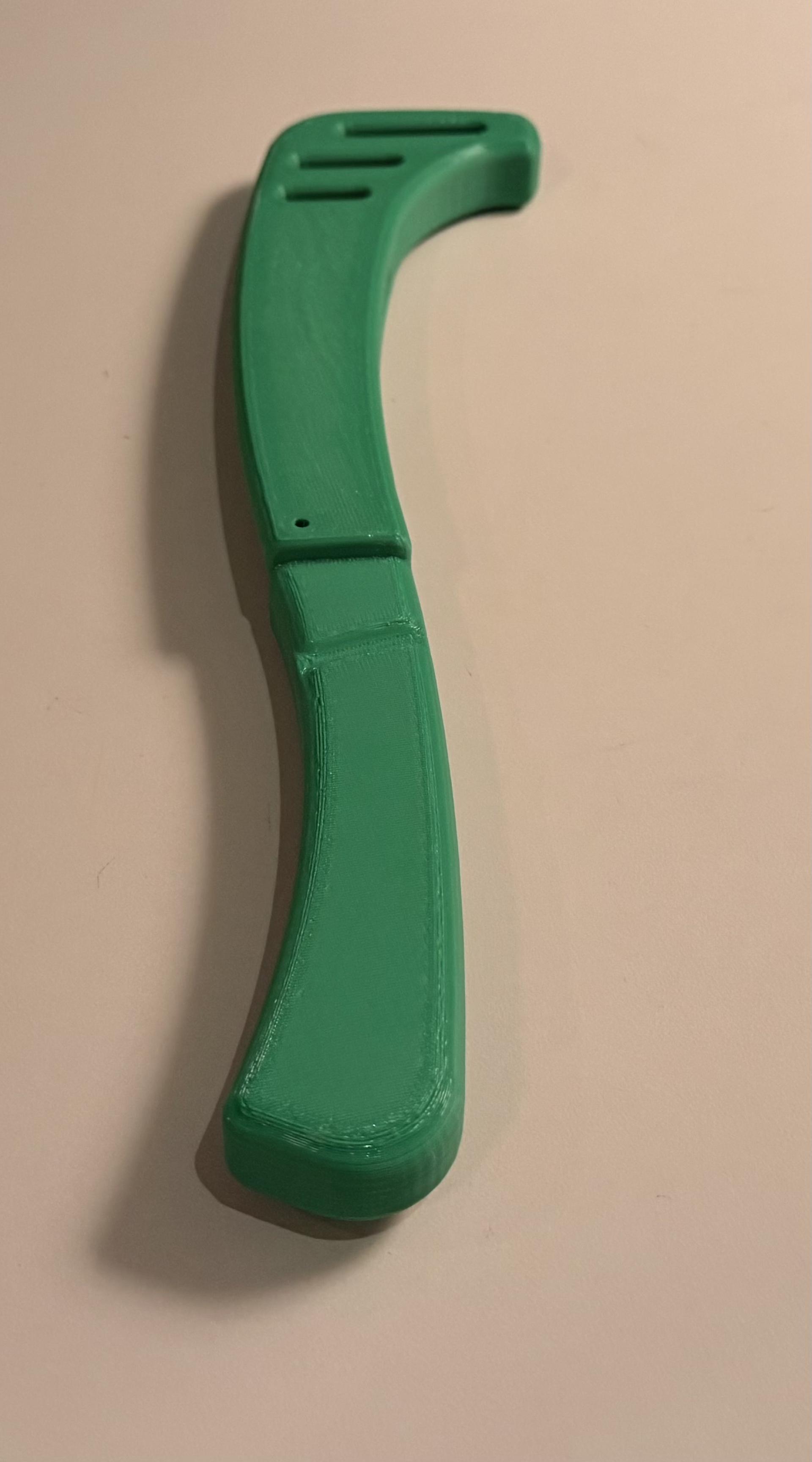
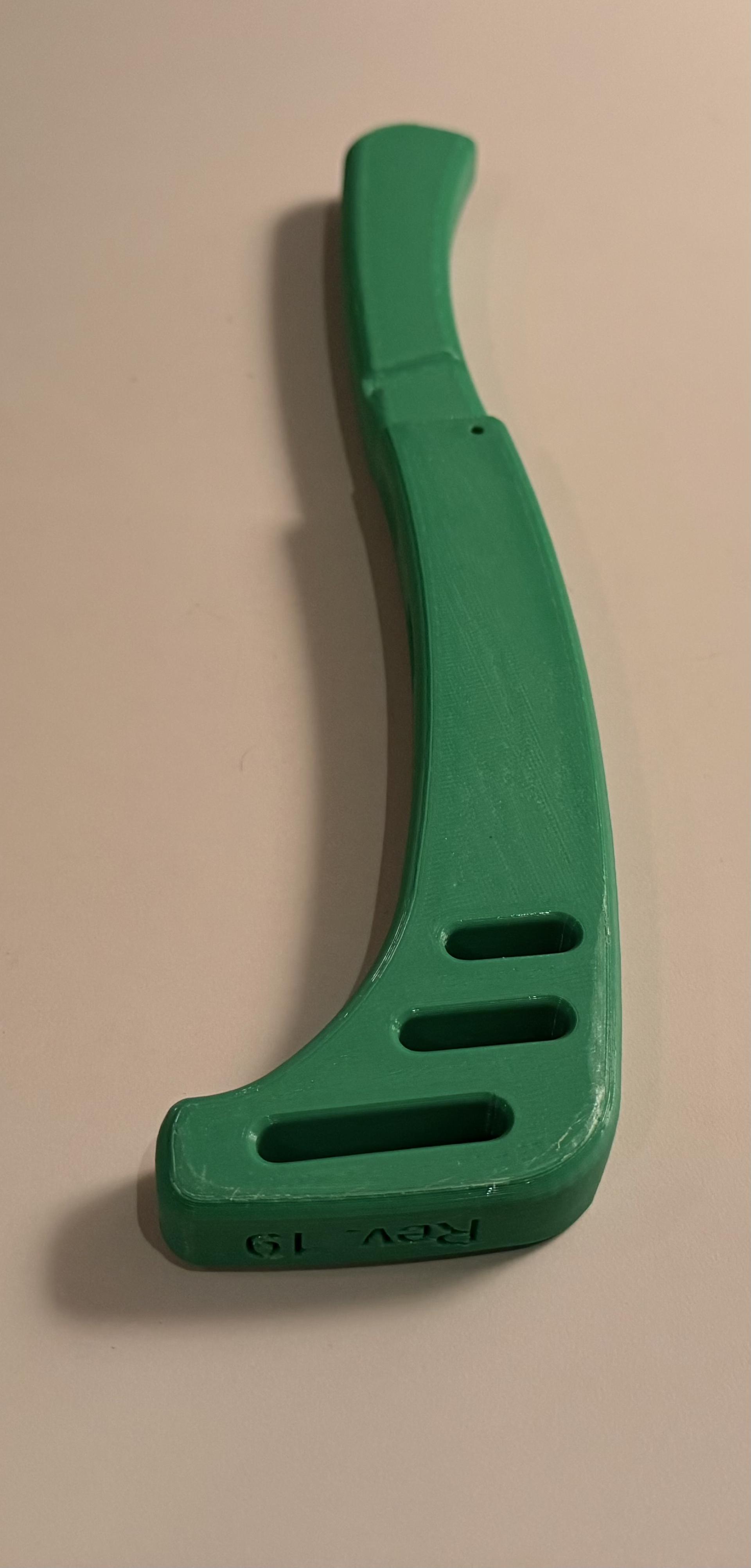
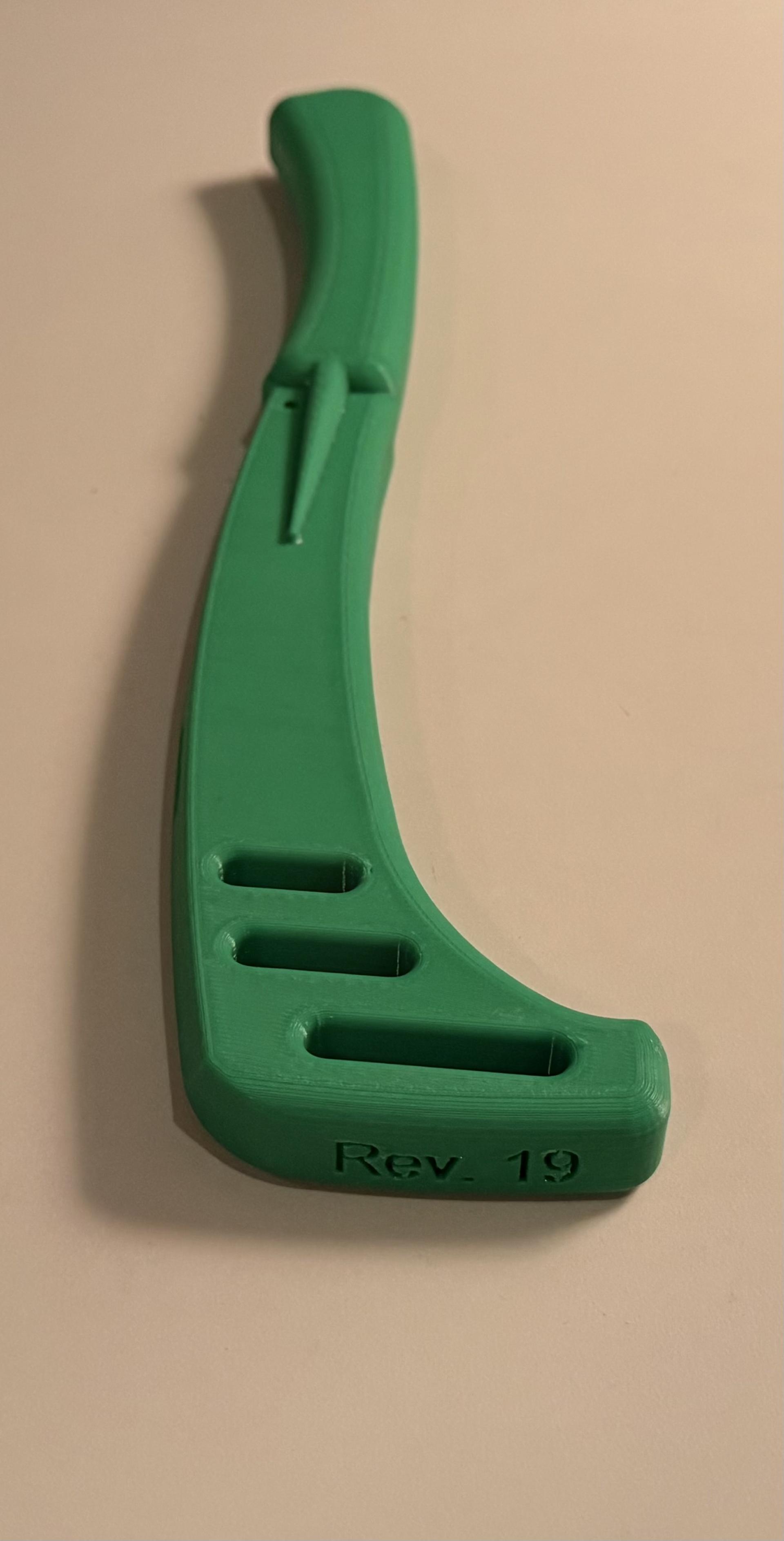
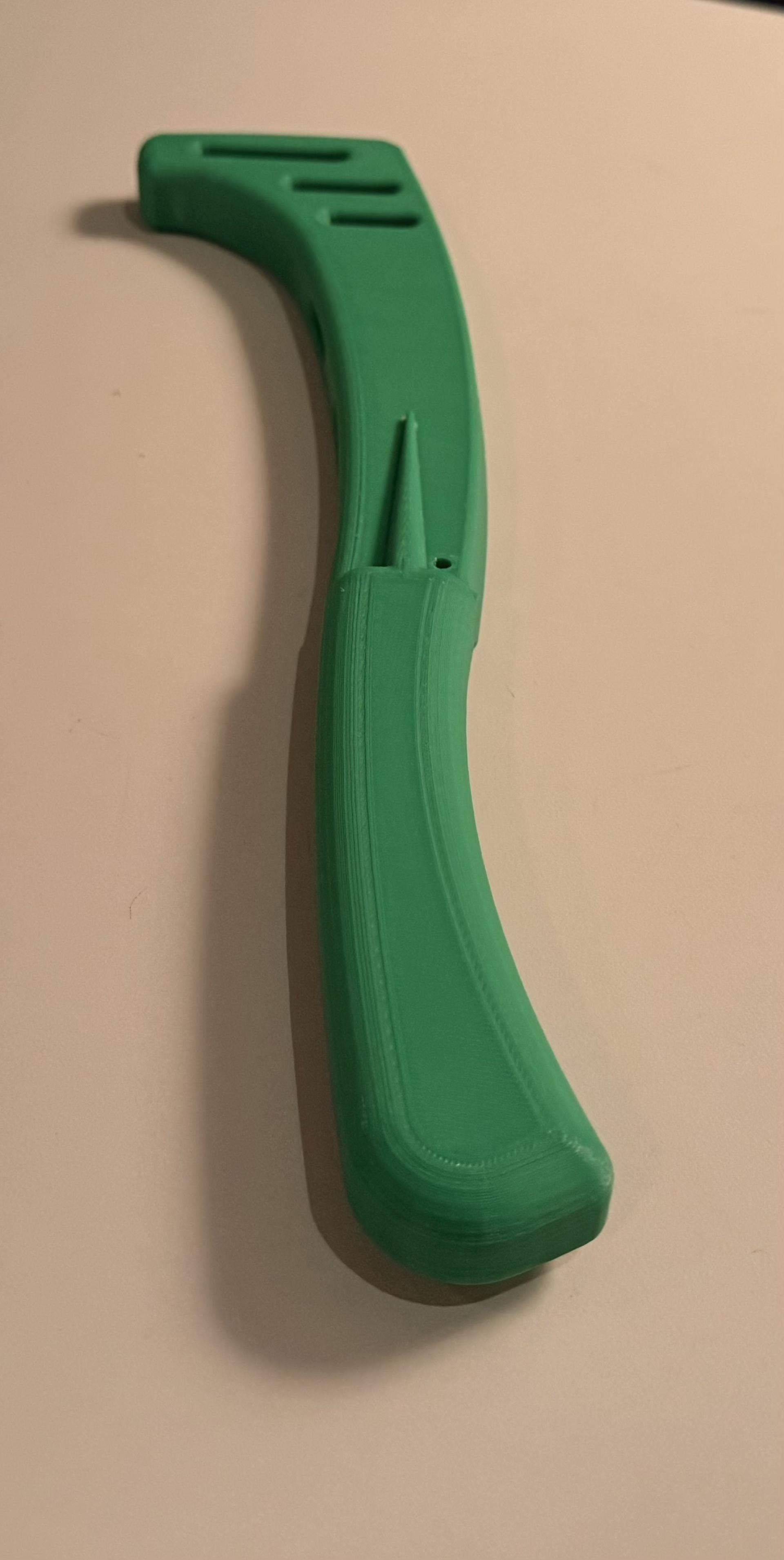
Despite these unique demands, underwater hockey equipment—particularly sticks—has seen limited functional innovation over time. Many designs rely on long-standing forms that prioritize tradition over performance optimization for underwater play. This project reimagines the underwater hockey stick from first principles, designing specifically around the sport’s true physical constraints: hydrodynamic drag, swing weight, and grip stability.
The redesigned stick introduces three integrated innovations. First, vertically aligned, widened apertures in the head reduce weight while preserving structural strength. These apertures are oriented to maintain stiffness during puck contact and collisions, lowering swing inertia and reducing player fatigue without sacrificing durability. Second, horizontally aligned apertures along the stick body improve water flow by allowing fluid to pass through during motion. This reduces hydrodynamic resistance, resulting in faster, smoother handling and improved responsiveness. Third, the design incorporates a recessed band retention channel that enhances grip and control by allowing a grip band to sit flush within the stick geometry, improving tactile feedback without adding bulk or altering balance.
The design was developed using CAD modeling and refined through multiple prototype iterations. Crucially, prototypes were tested and evaluated by experienced and elite-level players, including athletes competing at national and world-championship levels. Their feedback directly informed refinements to weight distribution, aperture sizing, and grip ergonomics, ensuring the final design addressed real performance needs rather than theoretical assumptions.
By combining engineering principles with direct input from high-level players, this project demonstrates how human-centered, performance-driven design can meaningfully improve equipment in a niche but demanding sport. The result is a lighter, faster, and more intuitive underwater hockey stick built to meet the realities of elite underwater play.
Credits
Entrant Company
Croft
Category
Product Design - Hardware, Power & Hand Tools

Entrant Company
Georgia Tech Contextual Computing Lab
Category
Product Design - Healthcare

Entrant Company
ORSD Interior Renovation Co., Ltd.
Category
Interior Design - Office
Entrant Company
Donghua University
Category
Product Design - Emotional & Well-Being (NEW)