2026 | Professional

The Capitol Theatre Renovation Project Design
Entrant Company
SHANGHAI TONGJI ARCHITECTURAL & INTERIOR DESIGN-CONSTRUCTION CO.,LTD./ DAI QI, WANG YUE
Category
Interior Design - Renovation
Client's Name
Shanghai Luokefeile Group Waitanyuan Comprehensive Development Co., Ltd.
Country / Region
China
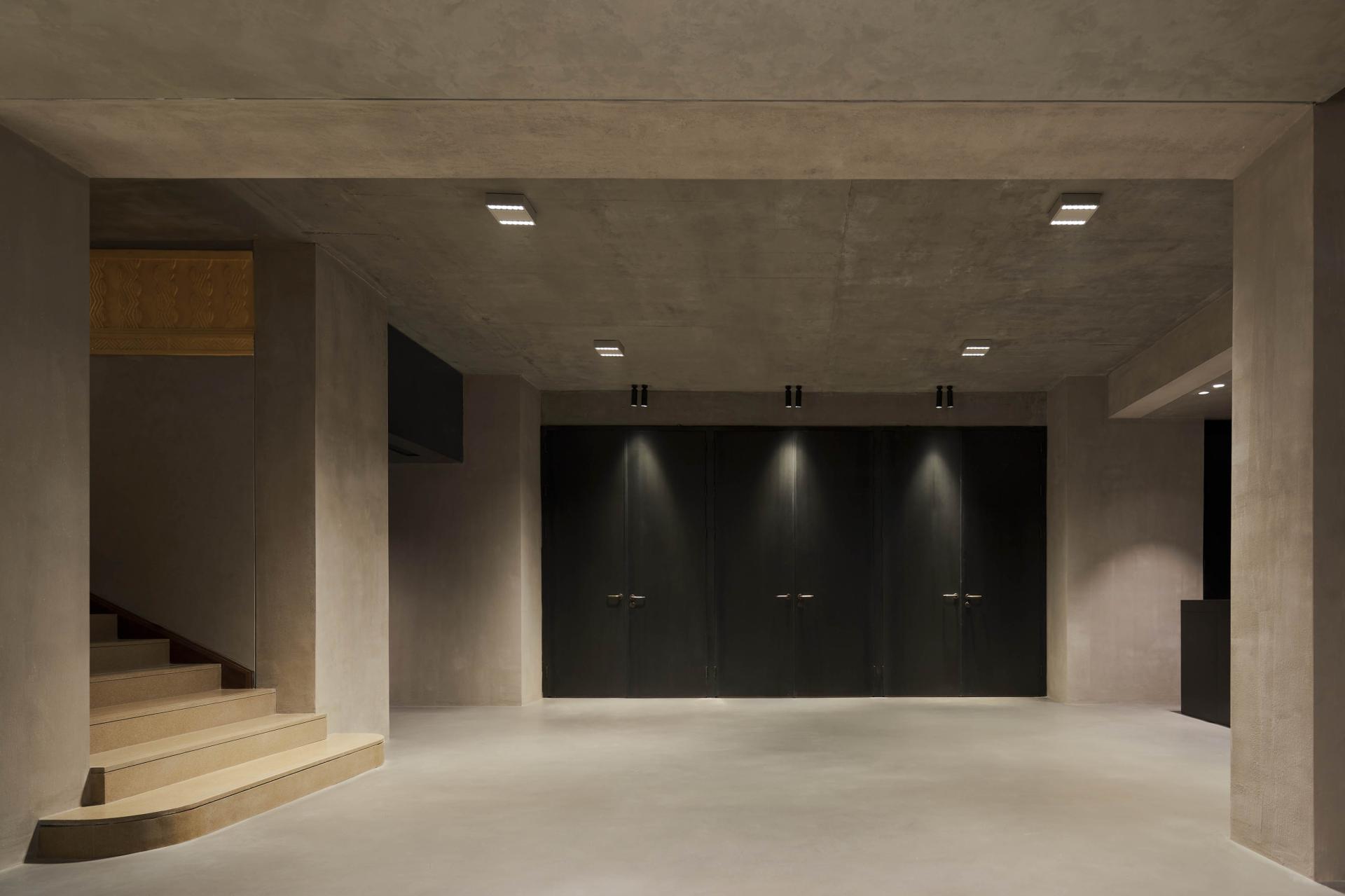
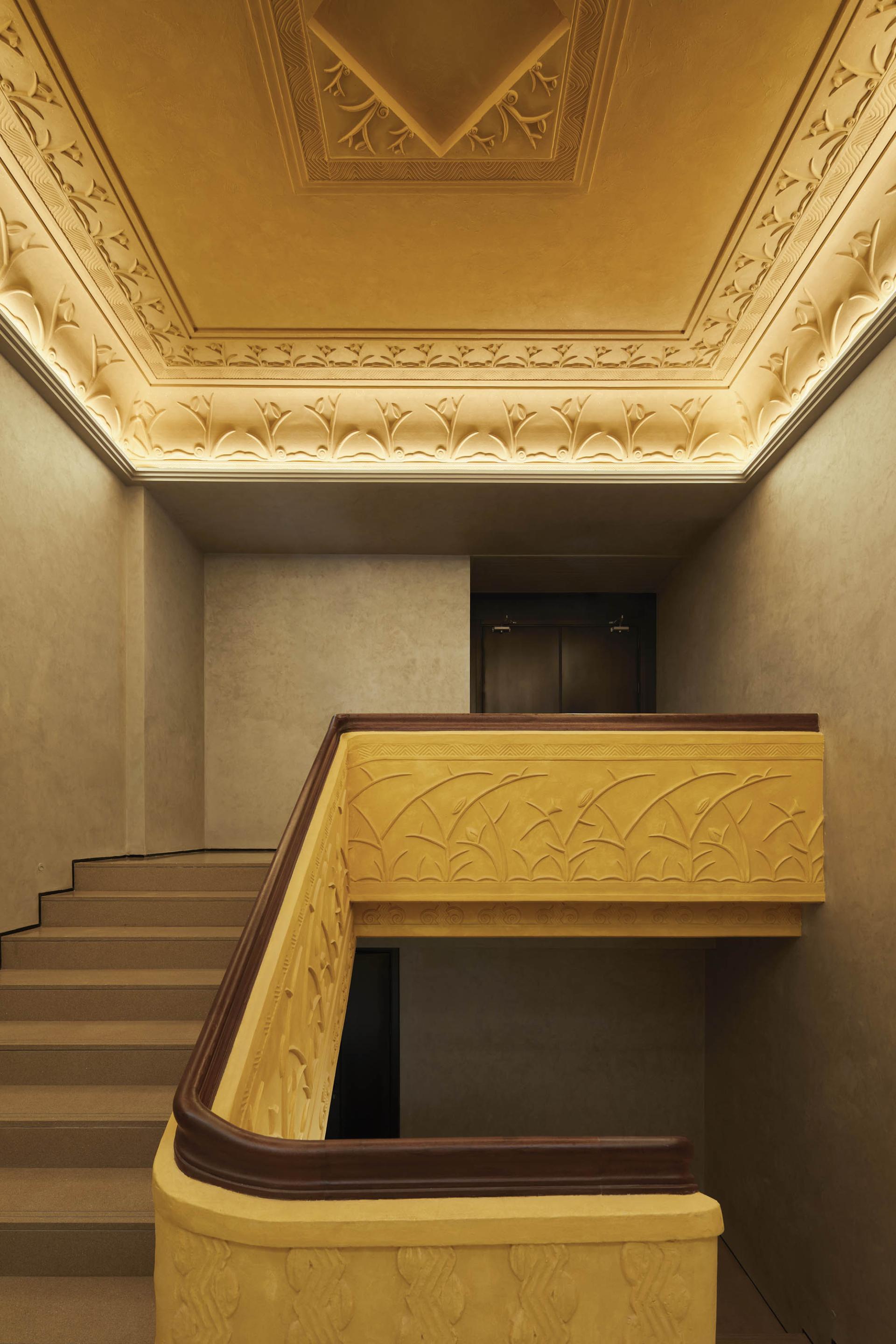
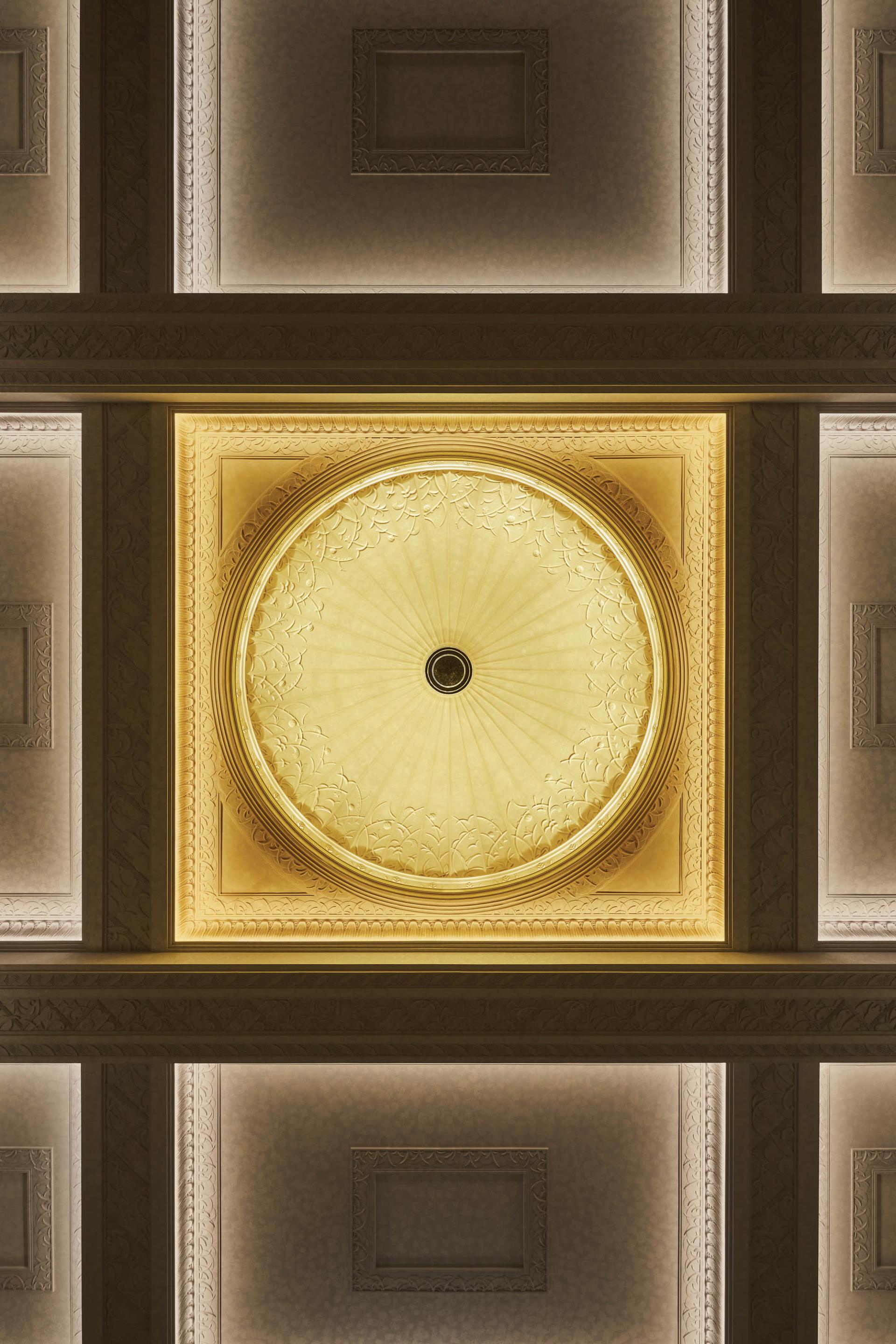
The Capitol Theatre Renovation Project stands as an exemplary model of heritage conservation integrated with contemporary functional revitalization. Guided by the core principles of authenticity, identifiability, minimal intervention, and sustainable reuse, the design meticulously honors the building’s original 1928 character while thoughtfully adapting it to meet modern usage demands. Based on rigorous archival research on historical photographs, period documents, and material analysis, this project accurately restores key iconic features such as the amber-hued domes. Extensive on-site mock-ups and iterative testing of pigment ratios, coating types, and application techniques ensure that the final finishes are both historically faithful and practically achievable.
A defining innovation of the project is the introduction of a “black box” theater concept in the main hall—a flexible, neutral space designed to host diverse events including fashion shows, concerts, theatrical performances, and gala dinners. This approach transcends the rigid typology of traditional theaters, embracing adaptability as a form of preservation. The foyer eschews ornamental excess; only the surviving octagonal ceiling is retained in its original setting, while the surrounding areas are reimagined in muted tones to create a transition between the urban context and the theatrical interior, prioritizing atmosphere over literal replication.
Detailing reflects deep respect for the historic fabric. Original terrazzo and mosaic floors in stairwells are cleaned and repaired rather than replaced, and modern MEP systems (Mechanical, Electrical, and Plumbing) are discreetly integrated into walls or existing ceiling locations to avoid damaging historic moldings.
Material choices demonstrate restraint and intentionality. In areas lacking original wall finishes, neutral gray textured art paint is applied to evoke a sense of discovered history, allowing authentic elements to take center stage. Missing ceiling details are reconstructed using GRG (Glass Fiber Reinforced Gypsum), with subtle dark-toned delineation to distinguish the new from the old. Dark gray polished concrete floors provide a quiet, cohesive base throughout.
Furthermore, the project classifies spaces and components based on architectural value assessment, enabling targeted functional adaptation. This strategy not only addresses structural safety but also ensures the building’s long-term viability, proving that heritage is not a static endpoint, but a living foundation for future evolution.






Credits

Entrant Company
A.S. SKARAKI & Co. LP
Category
Packaging Design - Dairy, Spices, Oils, Sauces & Condiments
Entrant Company
Hei Design Interiors
Category
Interior Design - Residential
Entrant Company
Guangzhou TigerAir Textile Tech Co., Ltd.
Category
Packaging Design - Fashion, Apparel & Accessories