2026 | Professional

Kikori Yakushima
Entrant
Jianing Yang, Zhiyuan Zhang, Zhiao Feng, Yicheng Ren
Category
Architectural Design - Villas
Client's Name
Country / Region
United States
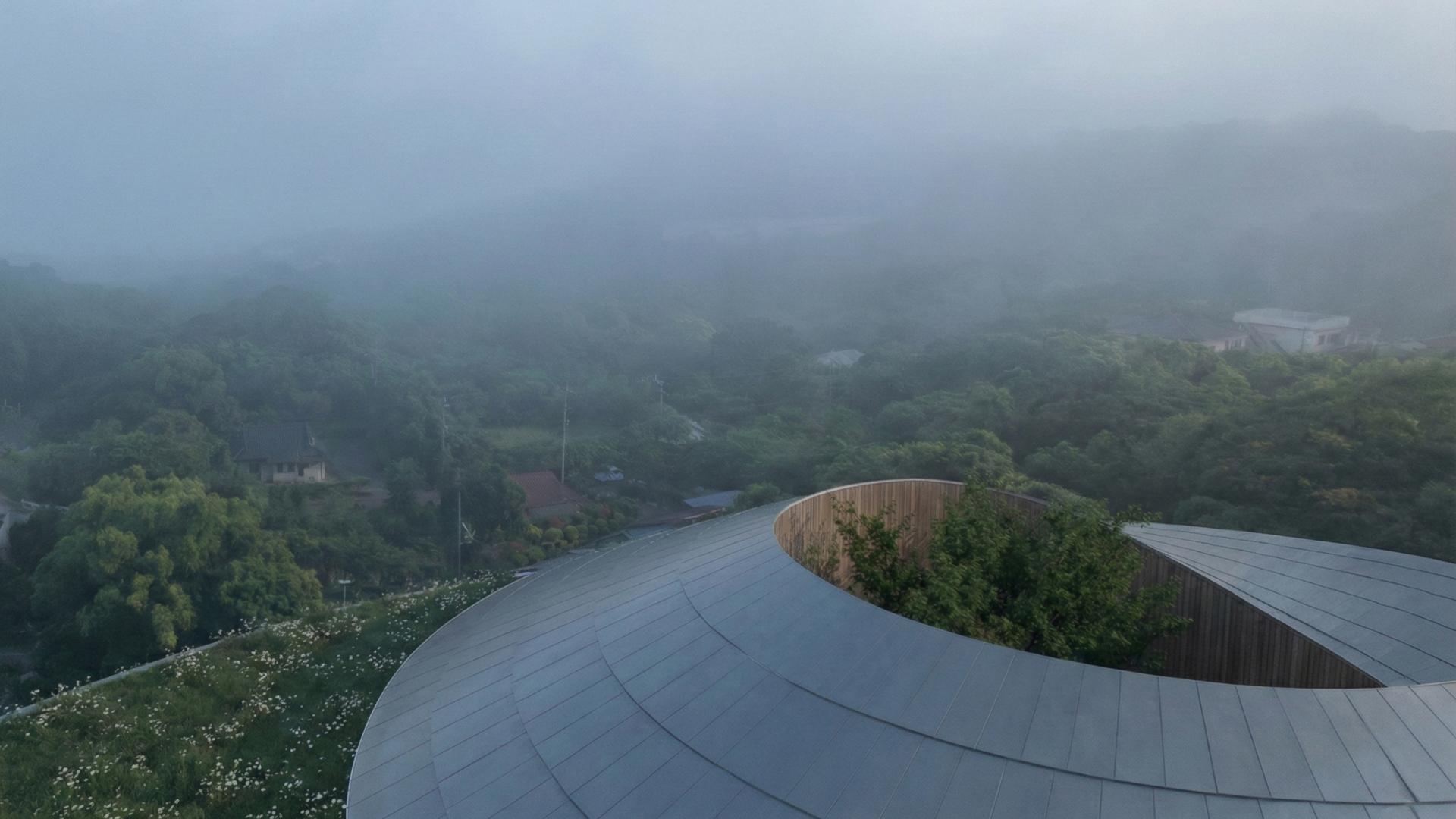
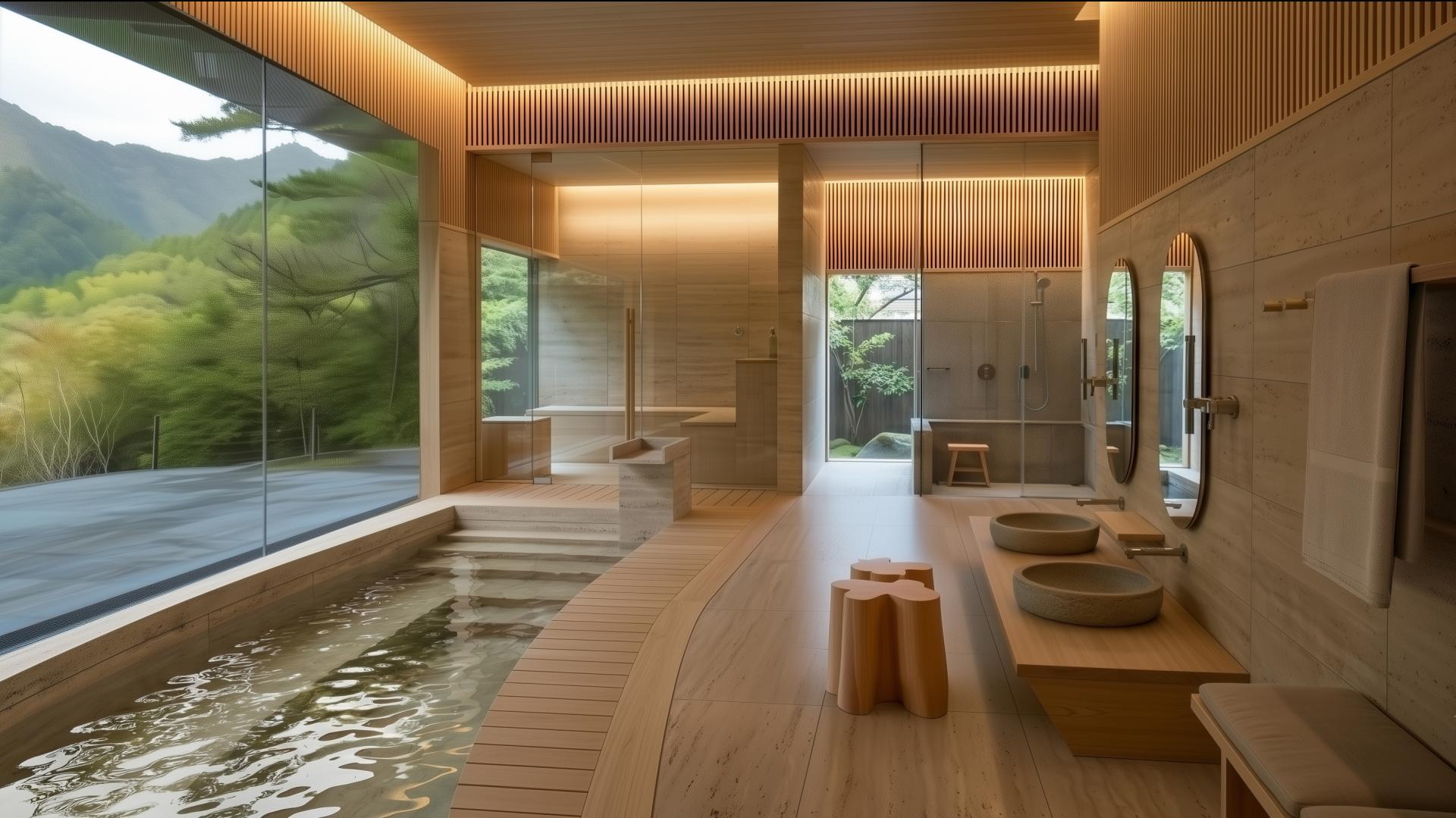
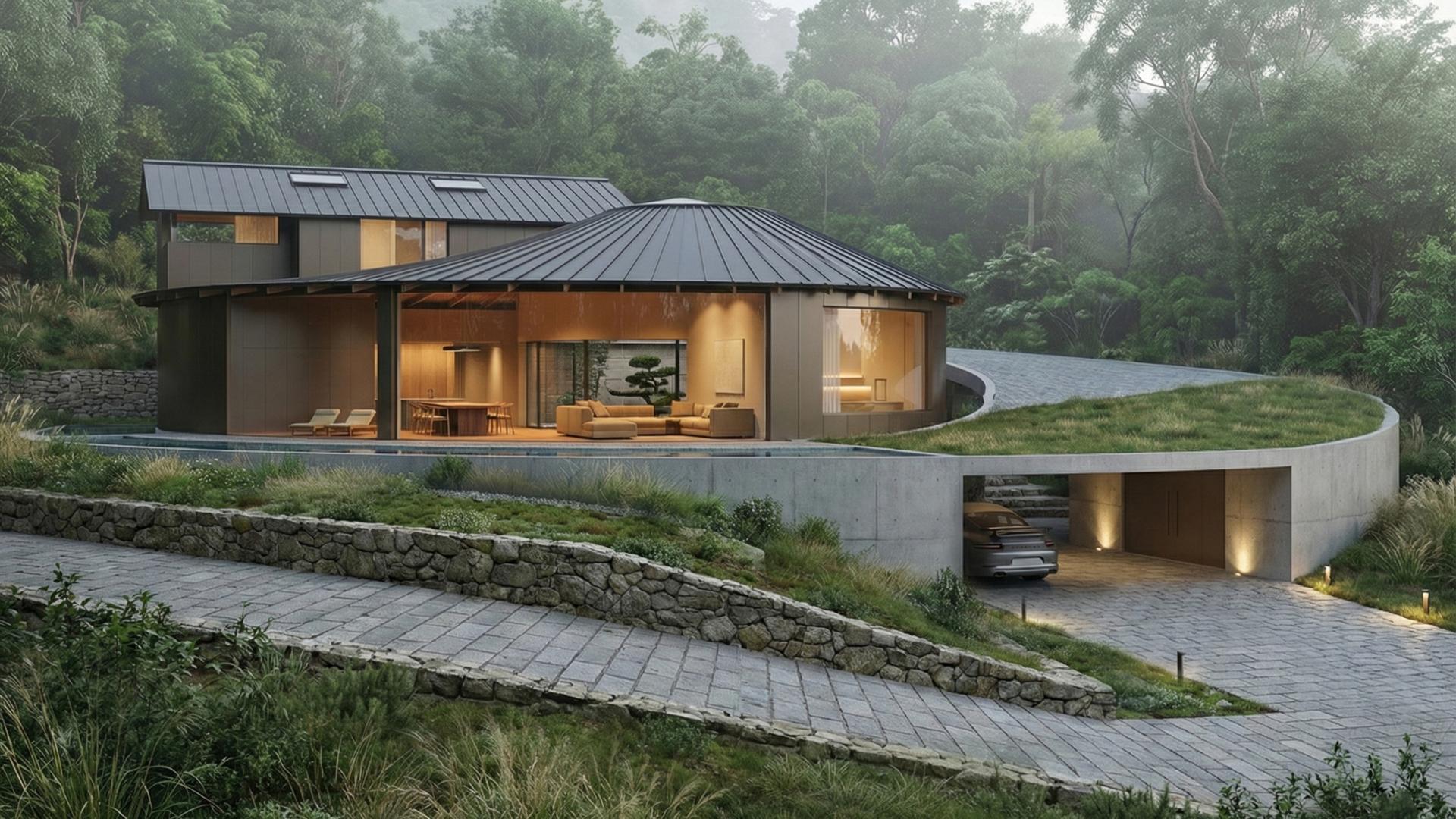
Perched on the slope of Yakushima’s mountains, Kikori Yakushima is conceived as a vacation villa suspended between forest, mountain, and sea. From within the villa, one looks upward into the dense cedar mountains, while looking downward reveals the ocean and distant horizon. This vertical relationship—mountain above, sea below—shapes both the architecture and the experience of staying.
Inspired by the annual rings of a tree, the villa is designed as a sequence of layered spaces that unfold gradually over time. Rather than a static object, the architecture becomes a vessel that quietly records moments of rest, reflection, and presence—allowing visitors to slow down and inhabit the landscape through time.
This concept emerges from a close observation of Yakushima’s forests, and in particular its cedar trees. Cedar has been used as a building material since ancient times and remains deeply cherished in Japanese architecture today. On Yakushima, however, cedars grow under uniquely harsh conditions. The island’s rocky terrain makes it difficult for trees to draw nutrients from the soil. Instead, in this land of abundant rainfall, moss blankets the mountainsides and tree bark alike.
Yakushima cedars slowly absorb moisture through this moss, growing far more gradually than cedars on the mainland. This slow growth produces dense, finely layered annual rings, and some trees live for more than a thousand years. Because of their strength and sacred presence, many of these trees were transported to mainland Japan from the Sengoku through the Edo periods and used in the construction of great temples. Those that remain today—known as Yakusugi and symbolized by the Jōmon Cedar—survived because they grew twisted rather than straight, making them unsuitable for construction and allowing them to endure.
Kikori Yakushima honors local culture and traditions through a contemporary architectural language, seeking to coexist with the presence of the Jōmon Cedar trees rather than imitate them. Here, guests are invited to slow down among ancient forests and the open sea, escaping the city's pace while enjoying the comfort and quiet refinement of modern living.



Credits

Entrant
Beijing BIAD Architectural Decoration Design Co.,Ltd/ Wang Zhongwei, Zhang Huaiying, Li Xu, Sun Xuefeng, Chen Fei, Du Shanshan, Wang Mocen
Category
Architectural Design - Airports

Entrant
CyberBlade (Shanghai) Household Electrical Appliances Co., Ltd.
Category
Product Design - Personal Care

Entrant
蒔嶼花藝 PLANTING ISLAND
Category
Landscape Design - Temporary / Event Landscape
Entrant
Lionhan Home Design Co.,Ltd.
Category
Furniture Design - Modular & Adaptable Furniture