2026 | Professional

Mave: Redefining mental health and human performance
Entrant
Studio Carbon
Category
Product Design - Wearable Technologies
Client's Name
Mave Health
Country / Region
India
The human brain wasn't designed for modern life. Chronic stress, digital overload, and relentless cognitive demands degrade the prefrontal cortex. The brain's command center for focus, decision-making, and emotional regulation. The result is the mental fatigue and burnout that defines how millions of people feel every day.
The solution has existed for decades. Transcranial direct current stimulation (tDCS) delivers low-intensity electrical current to the prefrontal cortex, restoring neuronal activity and strengthening neural connectivity. Over 10,000 published studies confirm its effectiveness for improving mood, focus, stress regulation, and sleep quality. No serious adverse effects. No tolerance buildup. No dependency risk.
Yet it never reached everyday people.
A handful of companies tried to bring tDCS to consumers. All failed. The devices looked clinical, felt uncomfortable, and carried the unmistakable stigma of medical equipment. Something you'd use in a hospital, not something you'd leave on your desk. Few tolerated them. Nobody wanted them.
Mave Health, a neurotechnology company based in Bangalore and San Francisco, set out to change that. Their vision was to create the first consumer tDCS device that people would genuinely want to wear. Not as a corrective intervention, but as an aspirational tool for human performance. They brought that vision to Studio Carbon.
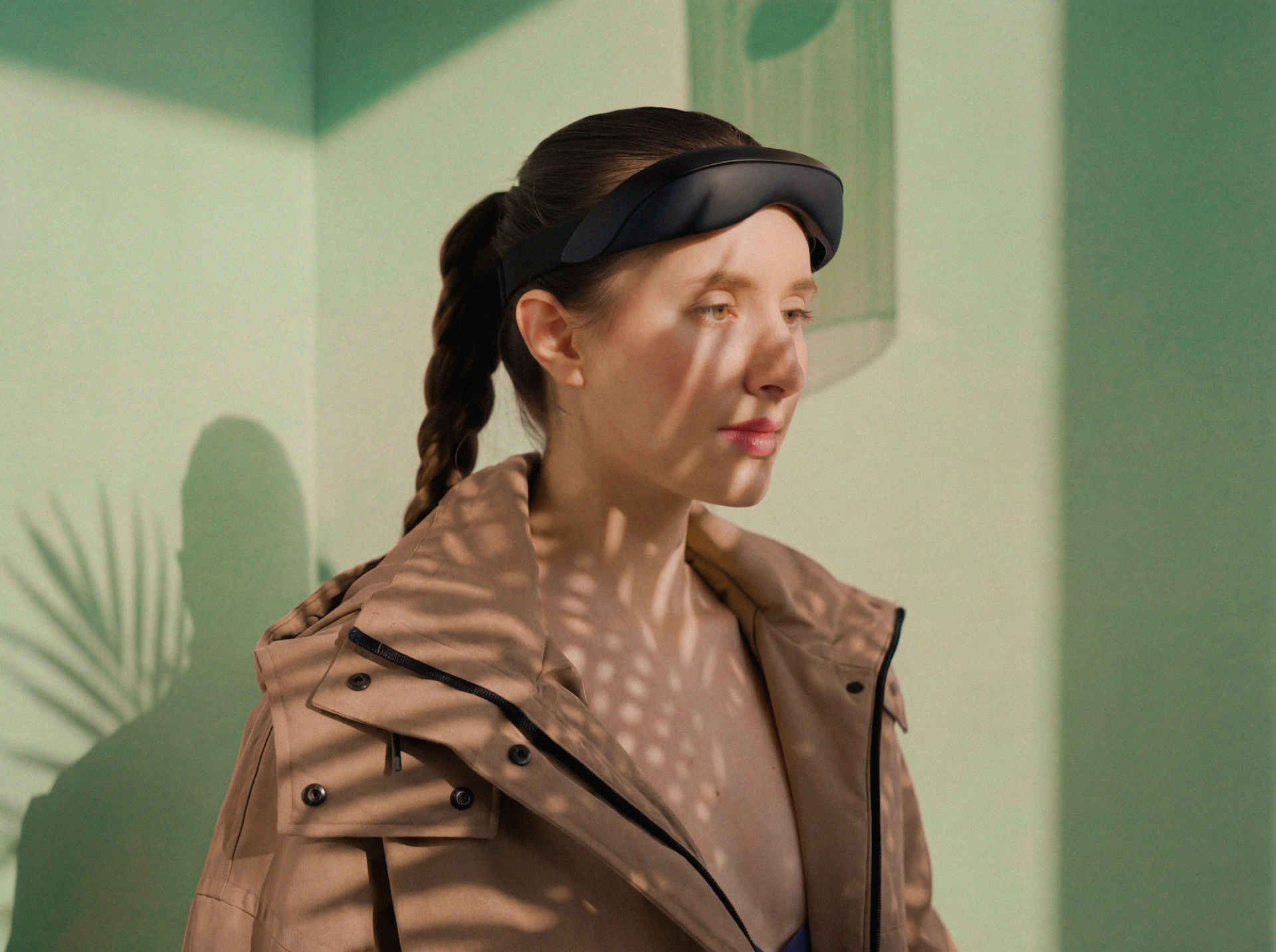
What we built together is a helm-inspired wearable that weighs approximately 100 grams. Light enough that users forget it's even on them within minutes of a session! Its contours follow the head's natural geometry. Its material language borrows from premium consumer electronics. It carries none of the visual weight of medical apparatus. Users who tried early versions wore it in public, and showed it off to friends.
The charging dock continues the same philosophy. A translucent gradient lid that hints at what's inside, with the device's charging indicator visible even when closed. Every touchpoint was considered.
Twenty minutes a day. No setup. No adjustment. No discomfort.
After decades of failed attempts, tDCS finally has a product worthy of its science.





Credits

Entrant
SRD DESIGN
Category
Interior Design - Commercial
Entrant
Jinan Linghai Real Estate Co., Ltd.-Pei Xianhui
Category
Interior Design - Commercial
Entrant
iGarden
Category
Product Design - Robotics

Entrant
Ge Danni
Category
Interior Design - Commercial