2026 | Student

Picking Up Light:The Rebirth and Narrative of Old Taiwanese
Entrant
Ming Chi University of Technology
Category
Conceptual Design - Student Design
Client's Name
SU CHIH CHI
Country / Region
Taiwan
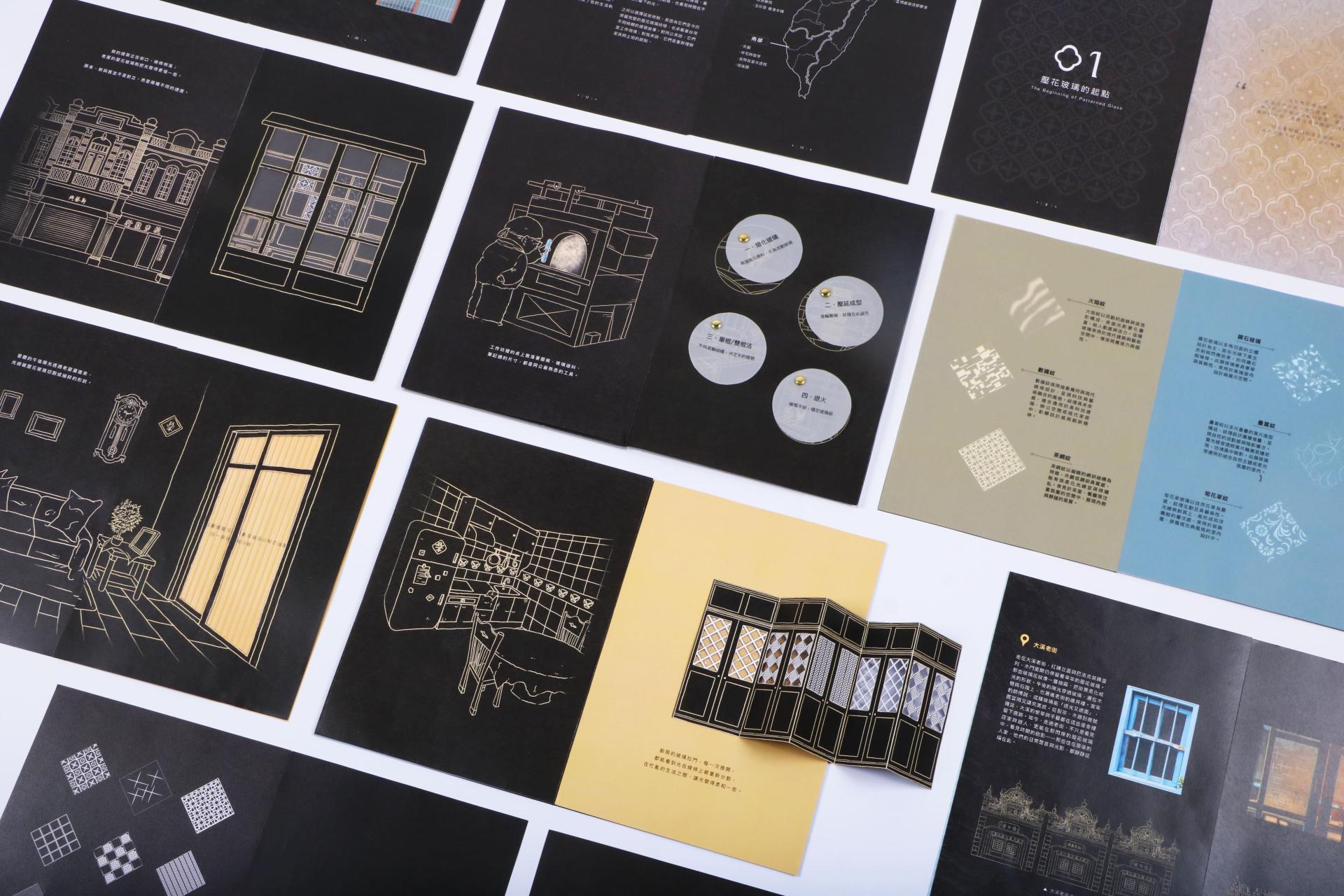
Embossed glass was once a common architectural element in Taiwanese street houses, serving both daylighting and privacy functions in everyday living spaces. As architectural styles and construction materials have evolved, embossed glass has gradually disappeared from contemporary environments, along with the craft knowledge and lived experiences embedded within it. This study positions embossed glass as a readable visual medium and explores its potential for narrative interactive book design.
Focusing on historical context, pattern characteristics, and translucency, this research aims to reinterpret embossed glass through systematic design translation. By transforming material qualities into visual and tactile narratives, the study seeks to reconnect audiences with the cultural and sensory values of this fading architectural element.
The research methodology integrates literature review, visual and image analysis, and narrative design approaches. Through the analysis of historical documents, visual patterns, and material properties, the study establishes a conceptual framework that informs the subsequent creative practice. Narrative structure and interaction design are employed to translate abstract historical and material qualities into concrete, experiential forms.
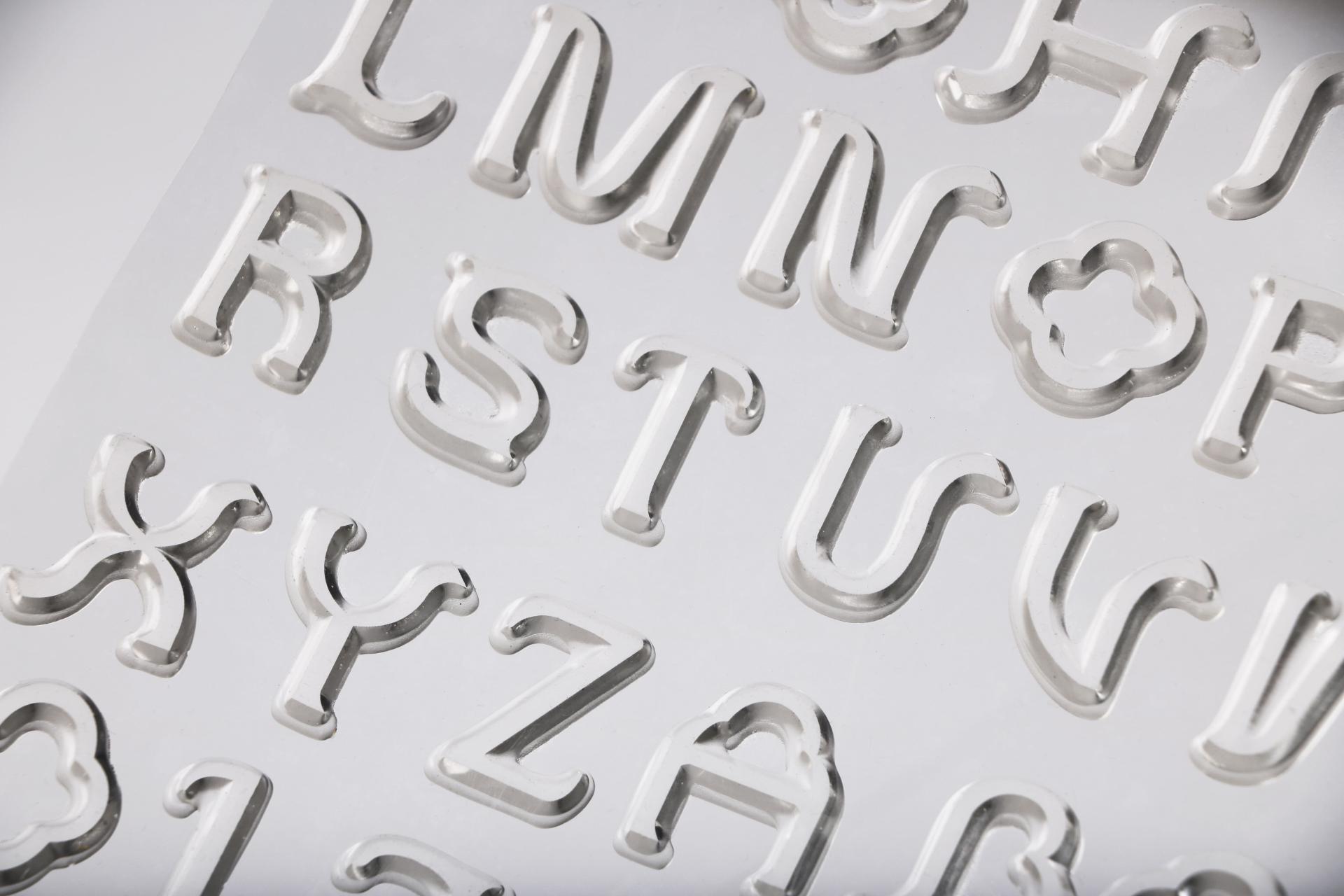
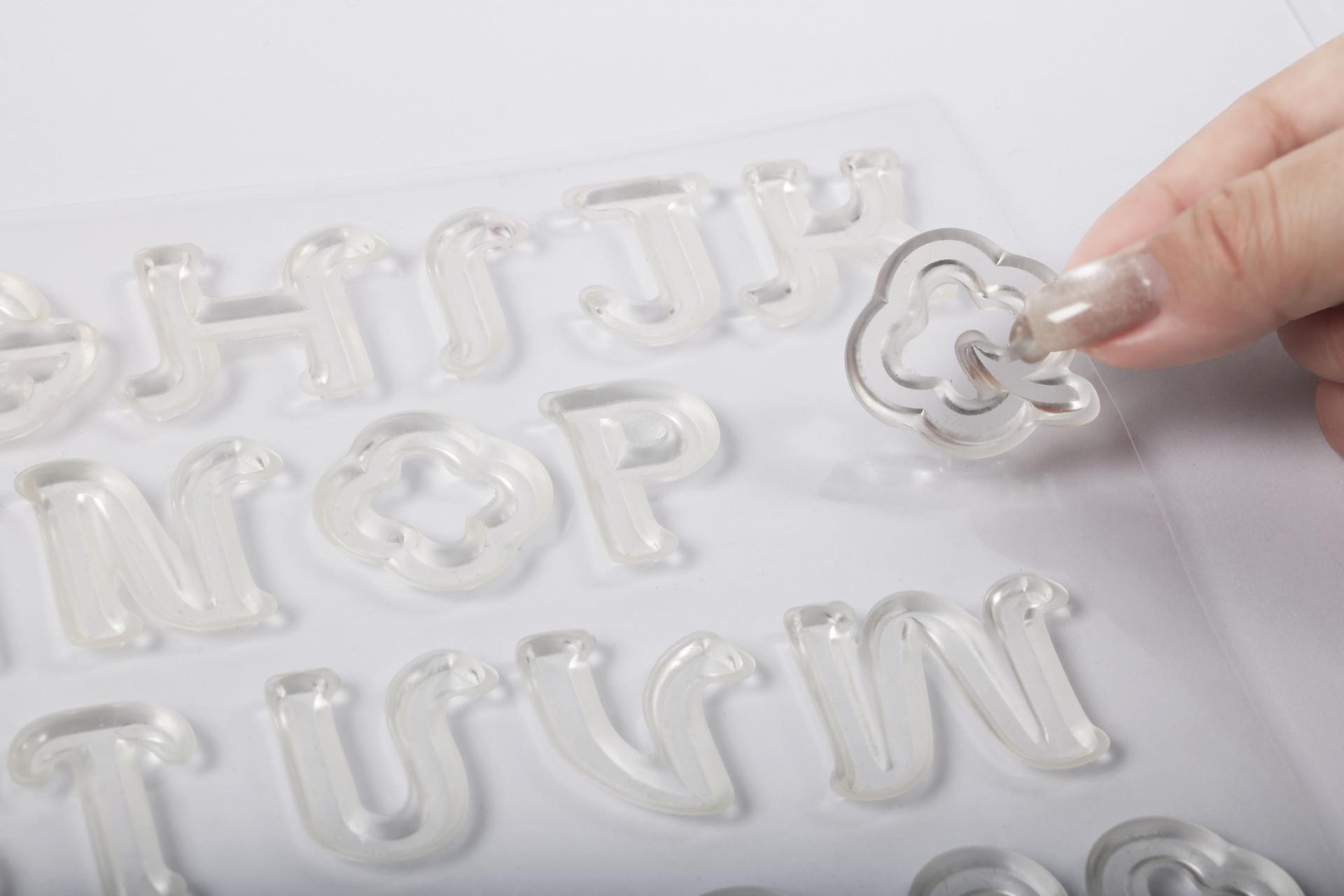
The outcomes of this research consist of three main design results. First, a narrative interactive book is created, transforming a gradually disappearing craft into a tactile, paper-based experience that invites readers to engage through touch, layering, and sequential storytelling. Second, a custom typeface titled begonia is developed by extracting and reinterpreting classic embossed glass patterns, resulting in a Chinese–English–numeral type system that balances historical references with contemporary aesthetics. Third, the design extends into everyday contexts through the development of crystal steal and memo pads, allowing the visual language of embossed glass to re-enter daily use.
Rather than serving solely as a historical review, this study proposes a design-driven approach that bridges material memory, narrative book design, and contemporary visual applications. Through interactive and narrative strategies, the research demonstrates how graphic and book design can function as a medium for cultural translation and reinterpretation.


Credits
Entrant
Ming Chi University of Technology
Category
Product Design - Educational Tools / Teaching Aids / Learning Devices

Entrant
FOSHAN I-ONE Building Materials Co., Ltd.
Category
Product Design - New Category

Entrant
Shanghai Architectural Design Research Institute Co., Ltd.
Category
Landscape Design - Parks & Open Space Landscape

Entrant
Hong Zhan Farm
Category
Packaging Design - Retail