2026 | Professional

Center for Jewish Life Servery Princeton University
Entrant
Studio Joseph
Category
Interior Design - Institutional / Educational
Client's Name
Princeton University
Country / Region
United States
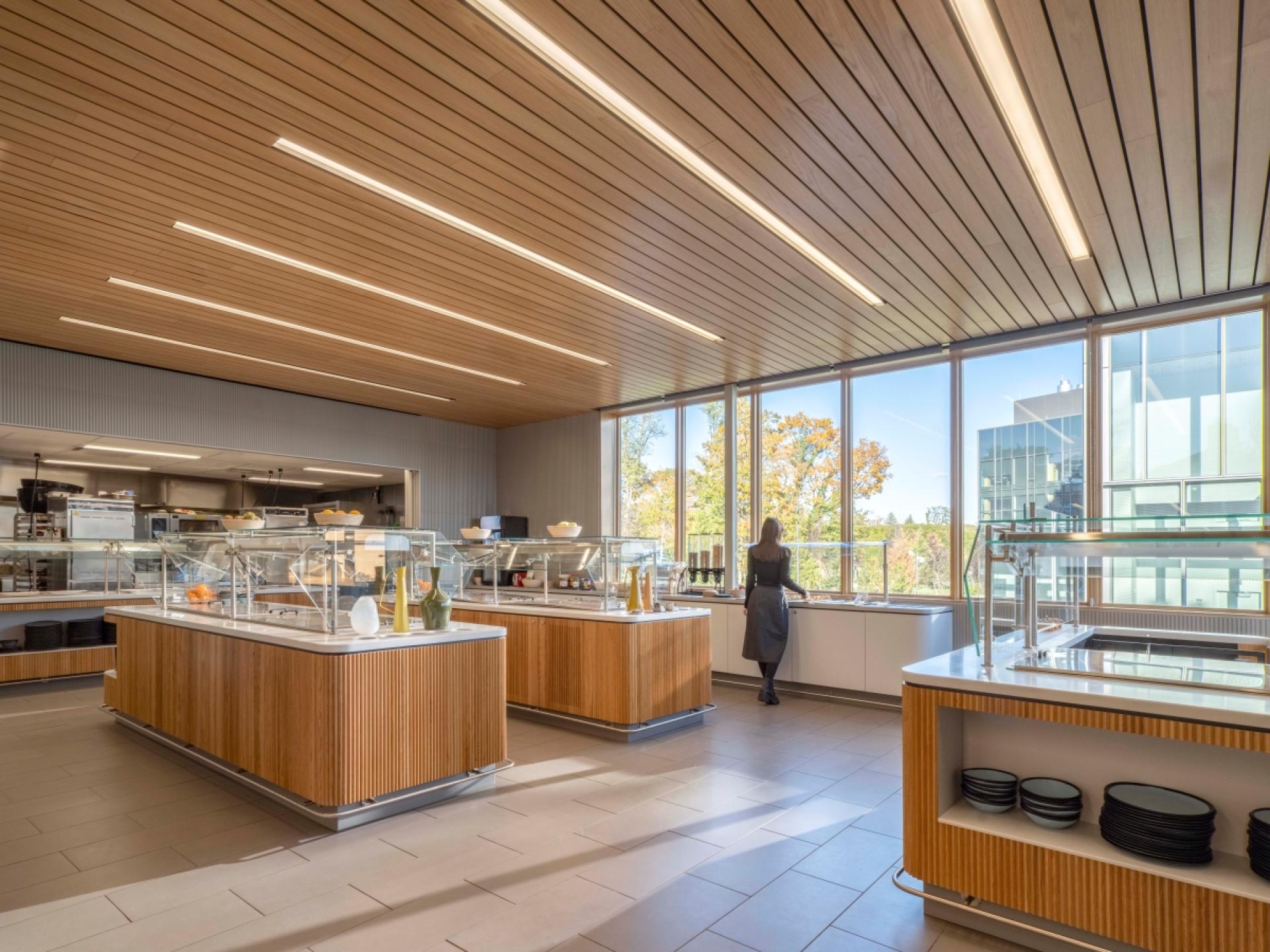
Built in the 1990s, a time when kosher food service was seen as performative, the servery had a limited display area, could not accommodate diverse dietary need nor support significantly larger attendance on Sabbath and holidays. The new servery is not only about food, but it also supports “tikkun olam”, a Hebrew phrase meaning "repair the world." Sharing a meal with others is a way to uphold traditions while strengthening community bonds. The facility adheres to glatt kosher and halal dietary laws and offers vegan, gluten-free, and lactose-free options. These offerings make the space highly inclusive and create cross-cultural opportunities for social bonding. The design maximizes daylight and ceiling height, creating a warm, welcoming spirit.
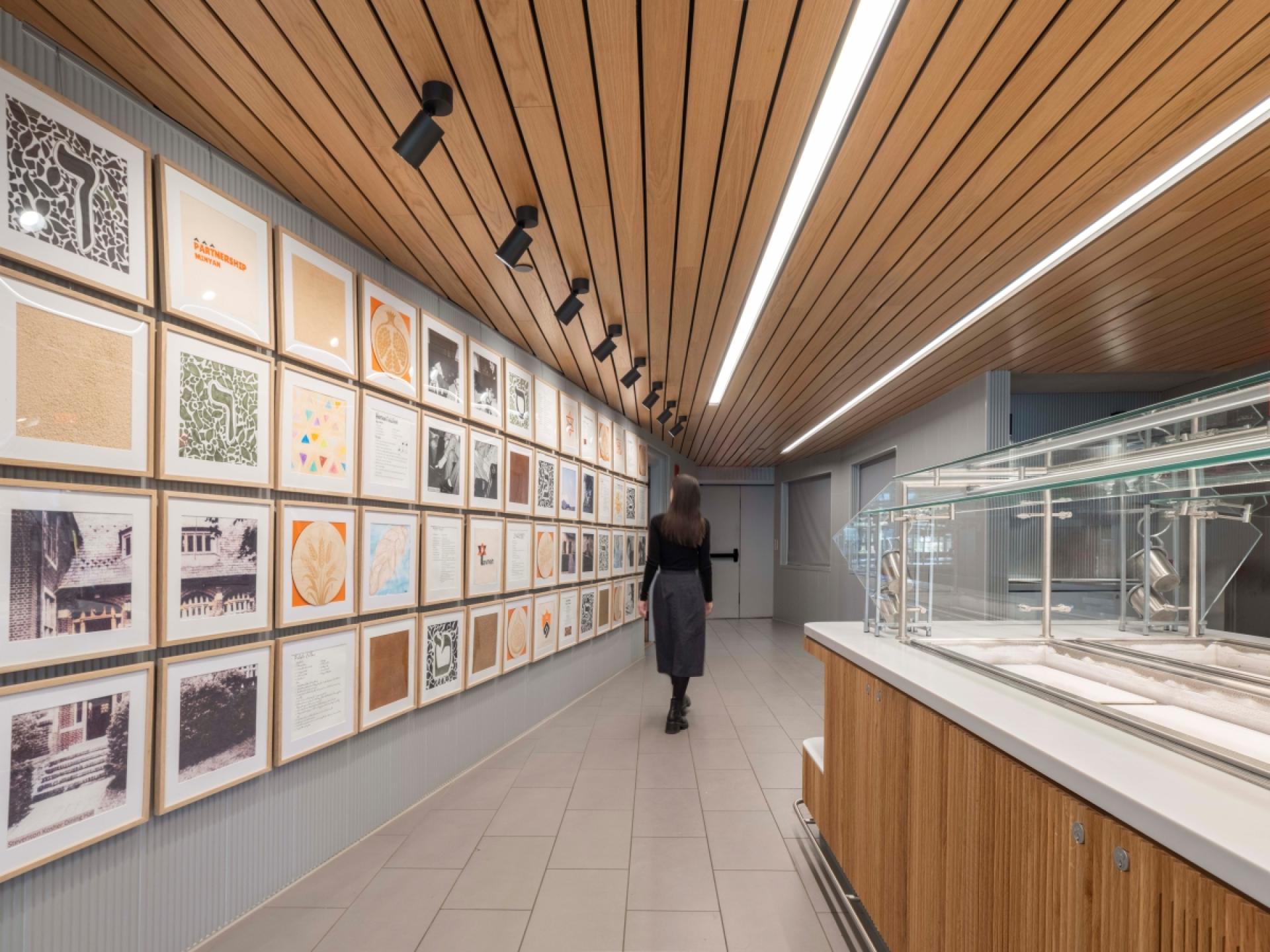
Before starting to design, the architectural team conducted “Visioning” sessions with students, chefs, and the rabbinical staff. Issues discussed openly, including the transition from dairy to meat meals, the need for separate cutlery and dishes, visitor flow, and layout. But beyond the practical, what was missing was the “soul of the place”. As part of bringing life to the new servery, there is a “community gallery” where everyone can share recipes, photos, and family memories.
The project includes the renovation and addition of approximately 1,500SF, mechanical systems, lighting, and an ADA restroom, A “pareve” kitchen (i.e., fruits, vegetables), expanded meat and dairy kitchens, and an “action station. While adhering to strict cleaning requirements, the strategic use of wood and fluted ceramic tile walls adds texture. All serving surfaces can be "Kasherized" or cleaned with a blowtorch.
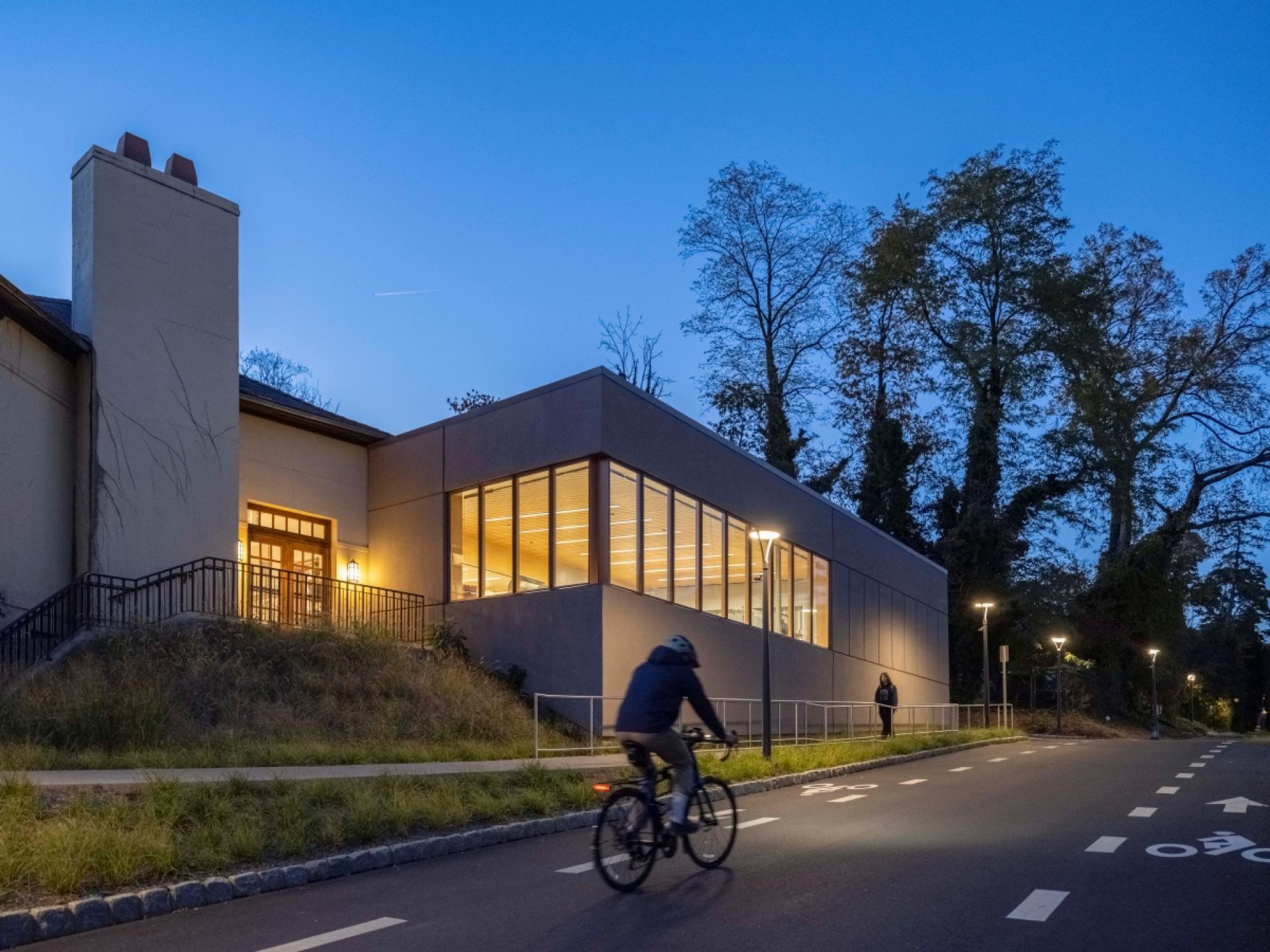
The exterior of the addition is quiet and seamlessly detailed. The volume and shape maximize interior space and raise the ceiling by four feet. A soft brown color complements the wood detailing and stucco of the existing building. Copper mullions and a series of reveals bring life and modernity.
The servery has seen a tremendous increase in the diversity and number of people coming for meals. Positive results are attributed to increased food selections, shorter wait times, daylight, and an open interface with the cook staff.





Credits

Entrant
Fu Shenggang, Wu Chao, Shen Baoju
Category
Architectural Design - Rural Design

Entrant
Altro Ltd
Category
Transportation Design - Mass Transit Systems

Entrant
杭州老板电器股份有限公司
Category
Product Design - Home Appliances
Entrant
Polyzone Studio LLC
Category
Product Design - UX / UI / IxD