2026 | Professional

adidas Shanghai Headquarters
Entrant
EPD (CHINA) ARCHITECTURE & INTERIORS
Category
Interior Design - Office
Client's Name
-
Country / Region
China
Gallery


About The Entry
As the adidas China Headquarters—one of the group's three global hubs, this project is built around the philosophy of "The Power of Three"—People, Planet, and Product, forming a regenerative workplace ecosystem spanning over 32,000 square meters. It translates adidas' belief—"Through sport, we have the power to change lives"—into an architectural experience where human energy, smart technology, and cultural craftsmanship converge.
This project uniquely approaches architectural design through an interior perspective. Within its curtain wall, a monumental brand-icon installation spans three floors, reaching approximately 12 meters in height. A rooftop terrace garden, featuring prominently visible brand identifiers, offers an overlook view for easy recognition. The space is organized across three main functional levels, integrating a restaurant, gym, showroom, innovation center, and FC Bayern Munich's China office—supporting both daily operations and large-scale events. The gym features kinetic power-generating floors, while rooftop solar panels provide renewable energy for the garden. This dual-source microgrid embodies the cycle of motion and renewal. A custom Building Automation system intelligently adjusts environmental settings and visualizes energy use, seamlessly blending technology and sustainability.
For material application, the project practices circular design by reusing 80% of furniture & components and upcycling waste materials. Recycled wheat-straw boards, reclaimed ceramics, and low-value timber composites replace virgin materials. Discarded shoe boxes, shoelaces, and coffee grounds are re-crafted into woven installations and 3D-printed signage, transforming production waste into brand storytelling. One of the project's key inventions—the "Rebound Series"—upcycles basketballs and footballs into functional tables and cabinets, retaining the texture and curvature of balls—where sustainability becomes beauty. Traditional crafts such as tie-dye, wood carving, copper engraving, ceramic glazing, and embroidery are abstracted and reinterpreted as modern spatial language. Through innovative expressions of patterns, textures, and layered compositions, they build a visual language that enables a contemporary dialogue between global identity and Chinese cultural heritage.

Entrant
Verizon
Category
Interior Design - Retails, Shops, Department Stores & Mall

Entrant
Foshan Xinzhiyue Technology Co., Ltd.
Category
Product Design - Audio & Video Devices
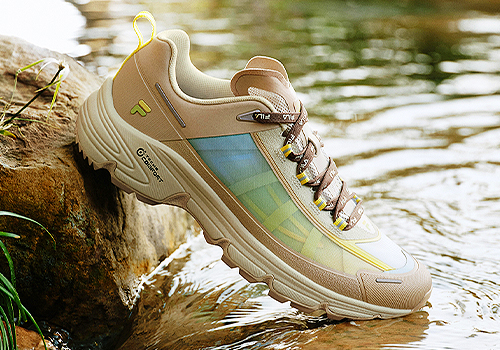
Entrant
FILA FUSION
Category
Fashion Design - Footwear
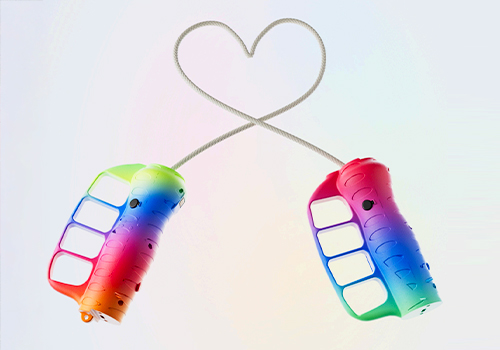
Entrant
ZIXIN ZHOU
Category
Product Design - Emotional & Well-Being (NEW)