2026 | Professional

ALTISSIMA
Entrant
FUZOROI.
Category
Furniture Design - Home
Client's Name
FUZOROI.
Country / Region
Japan
Gallery

About The Entry
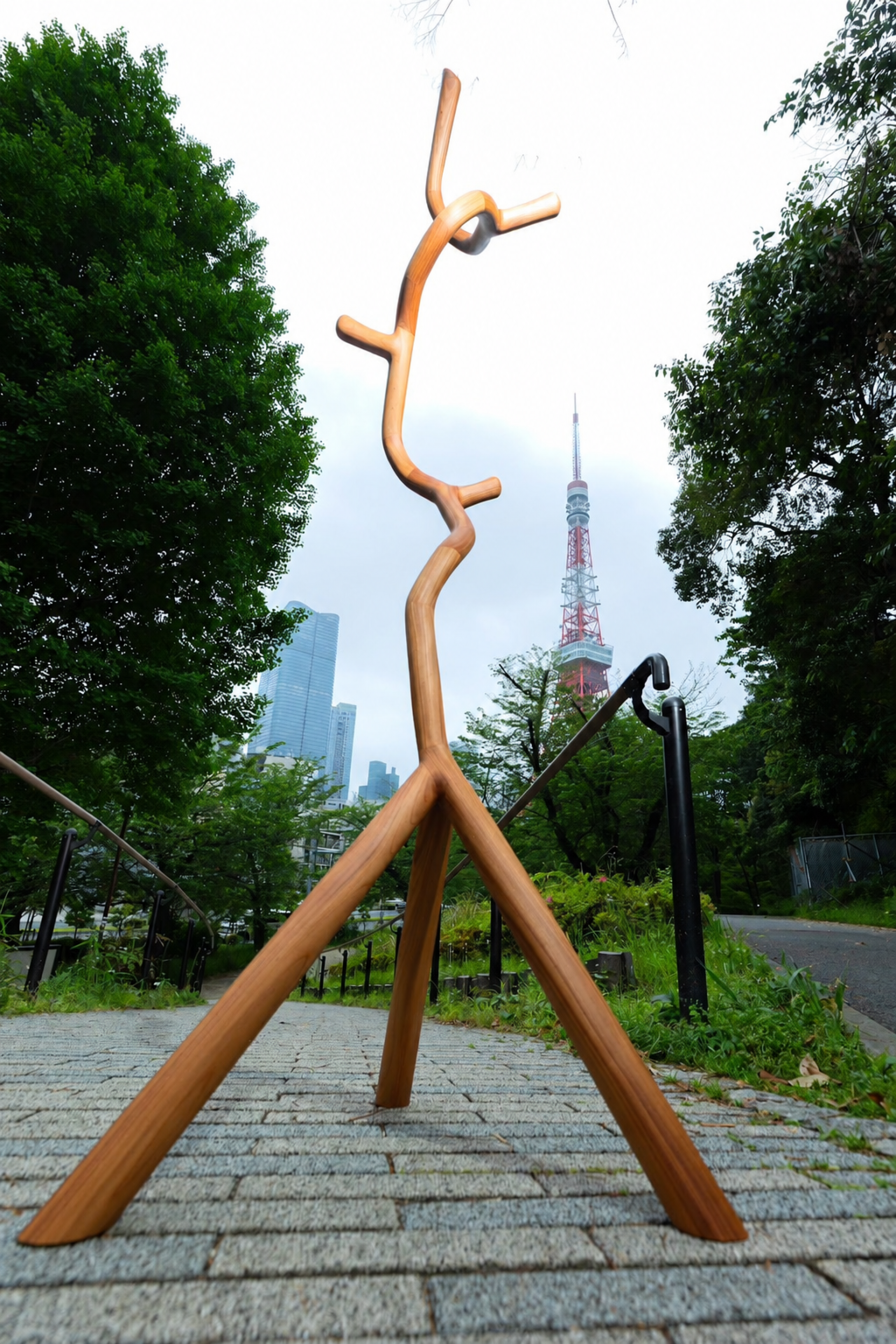
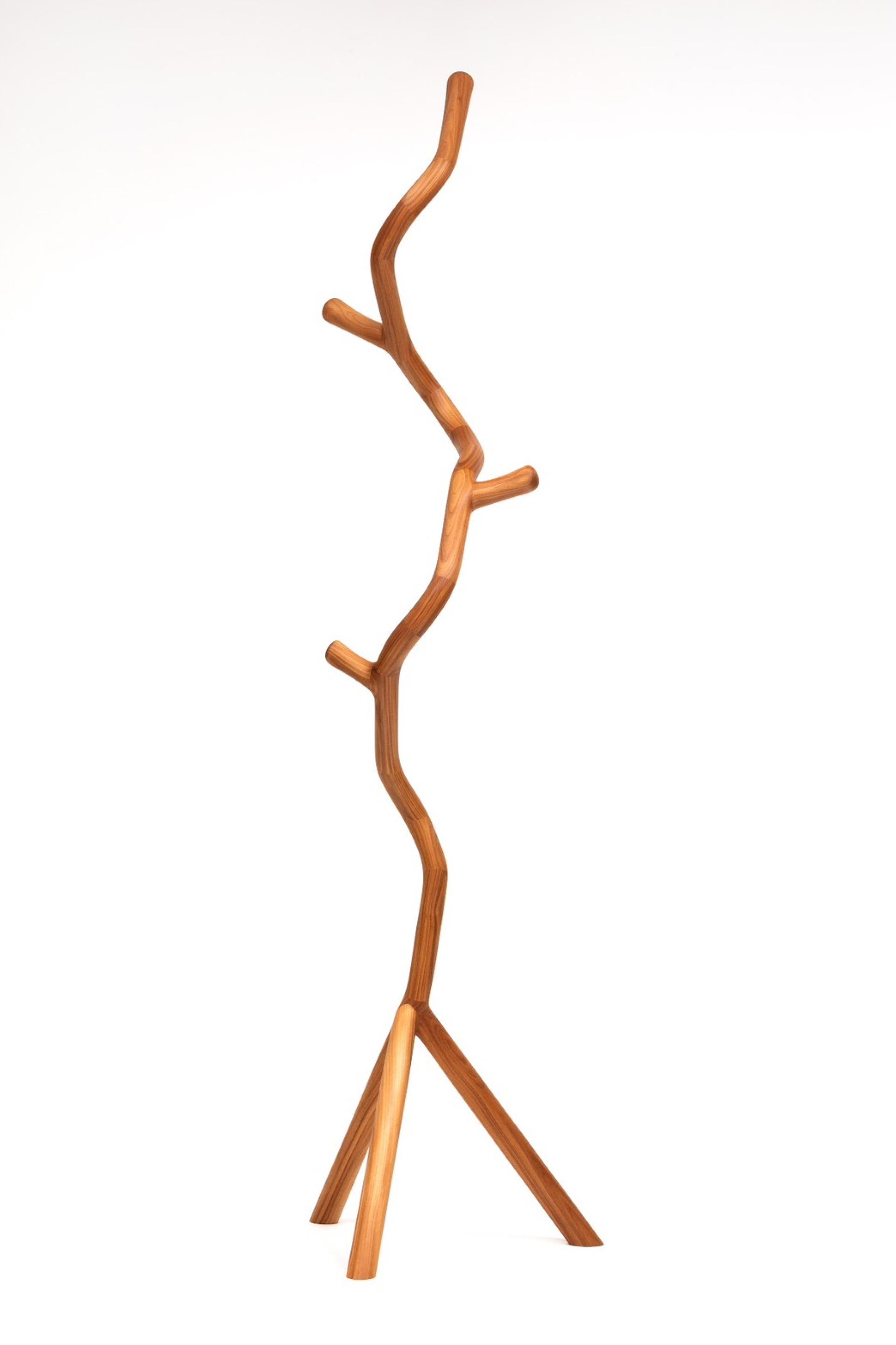
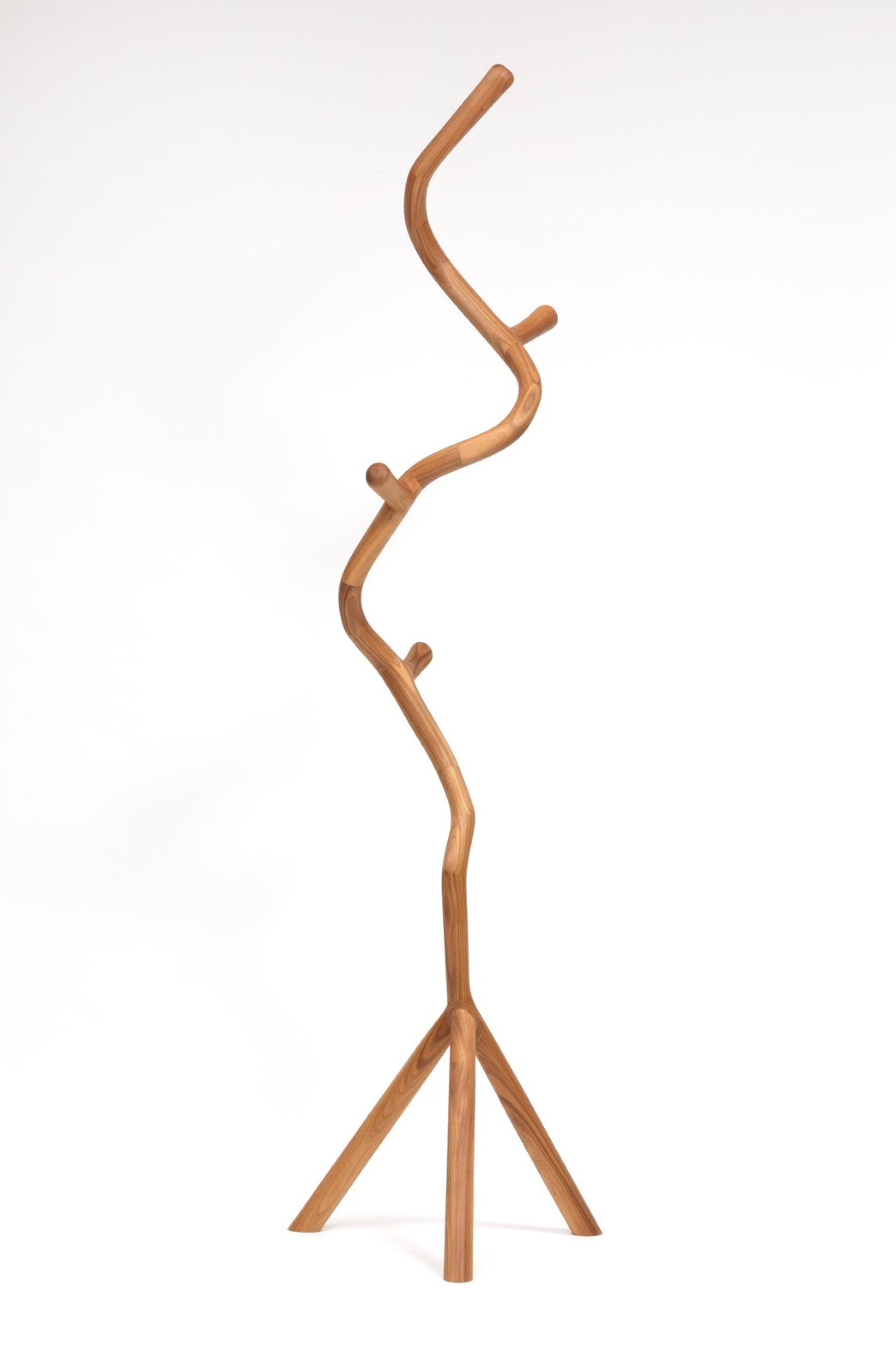
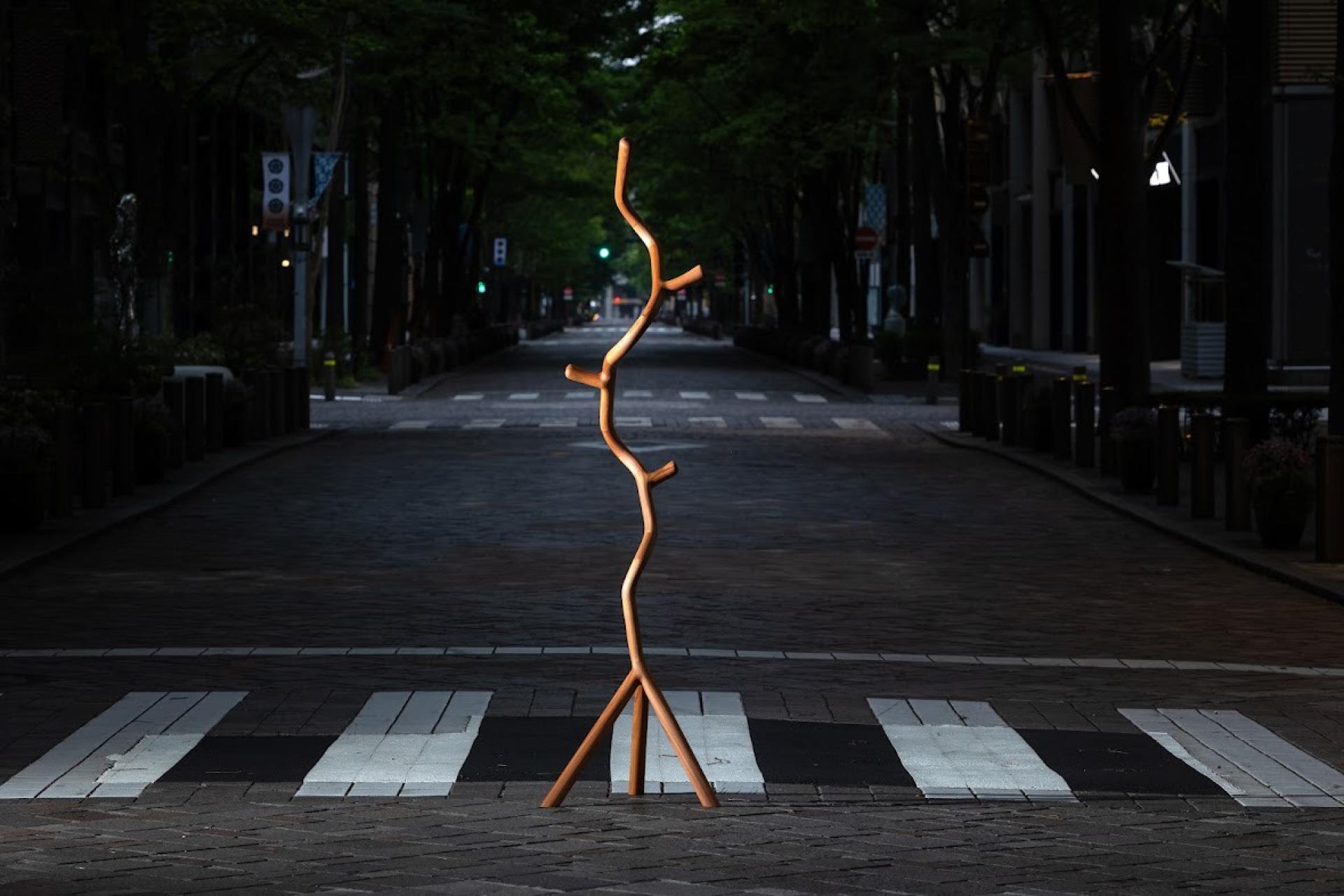
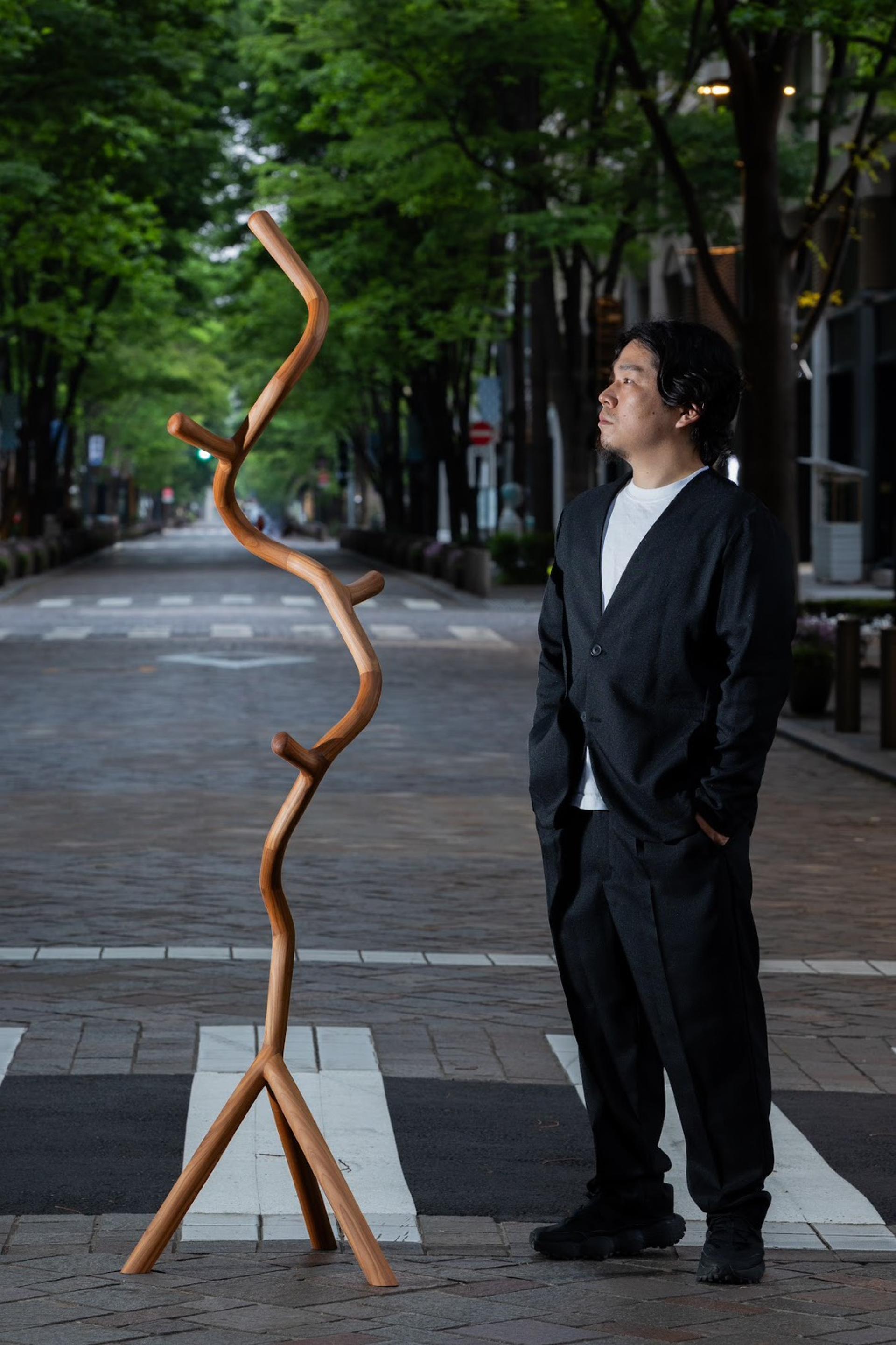
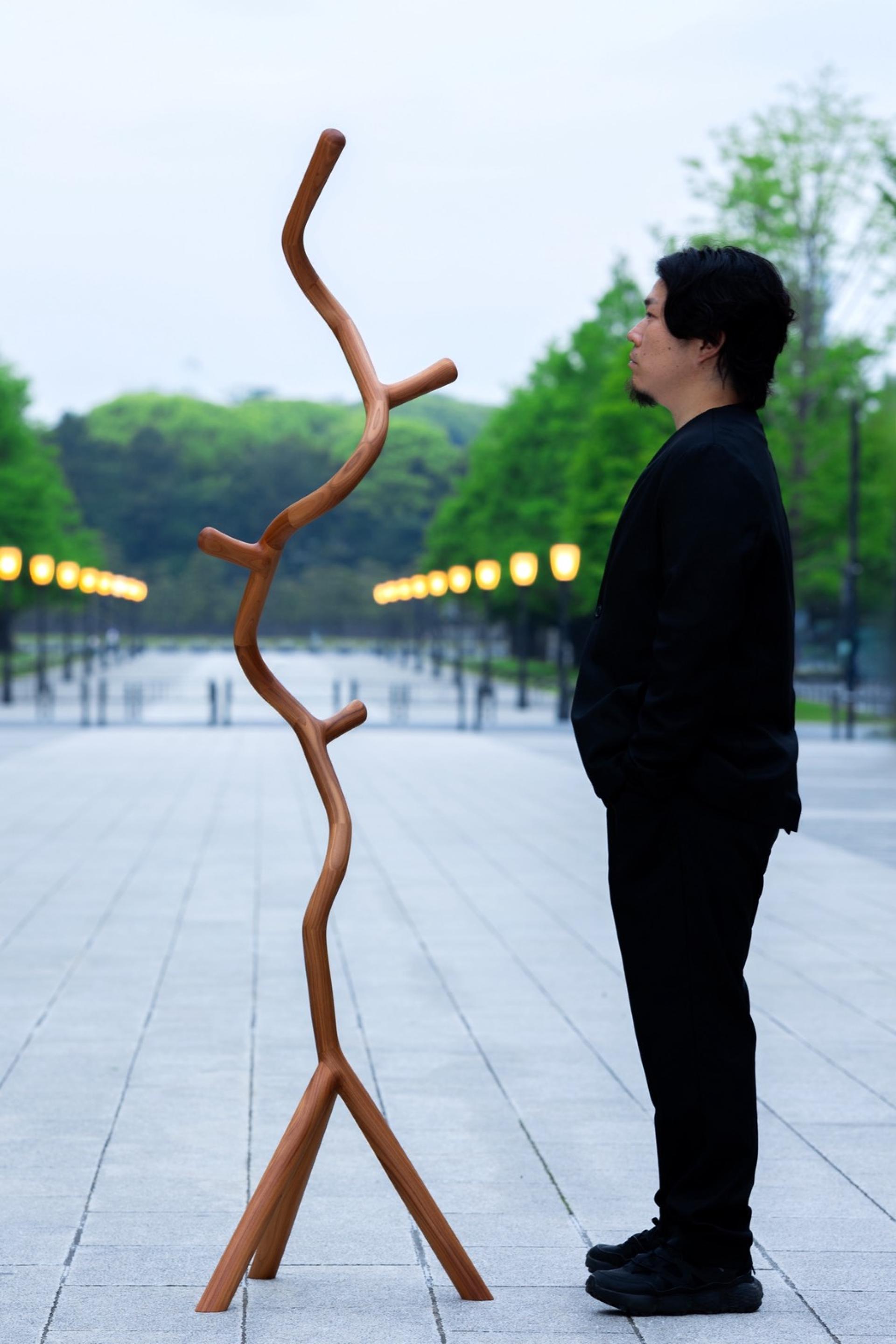
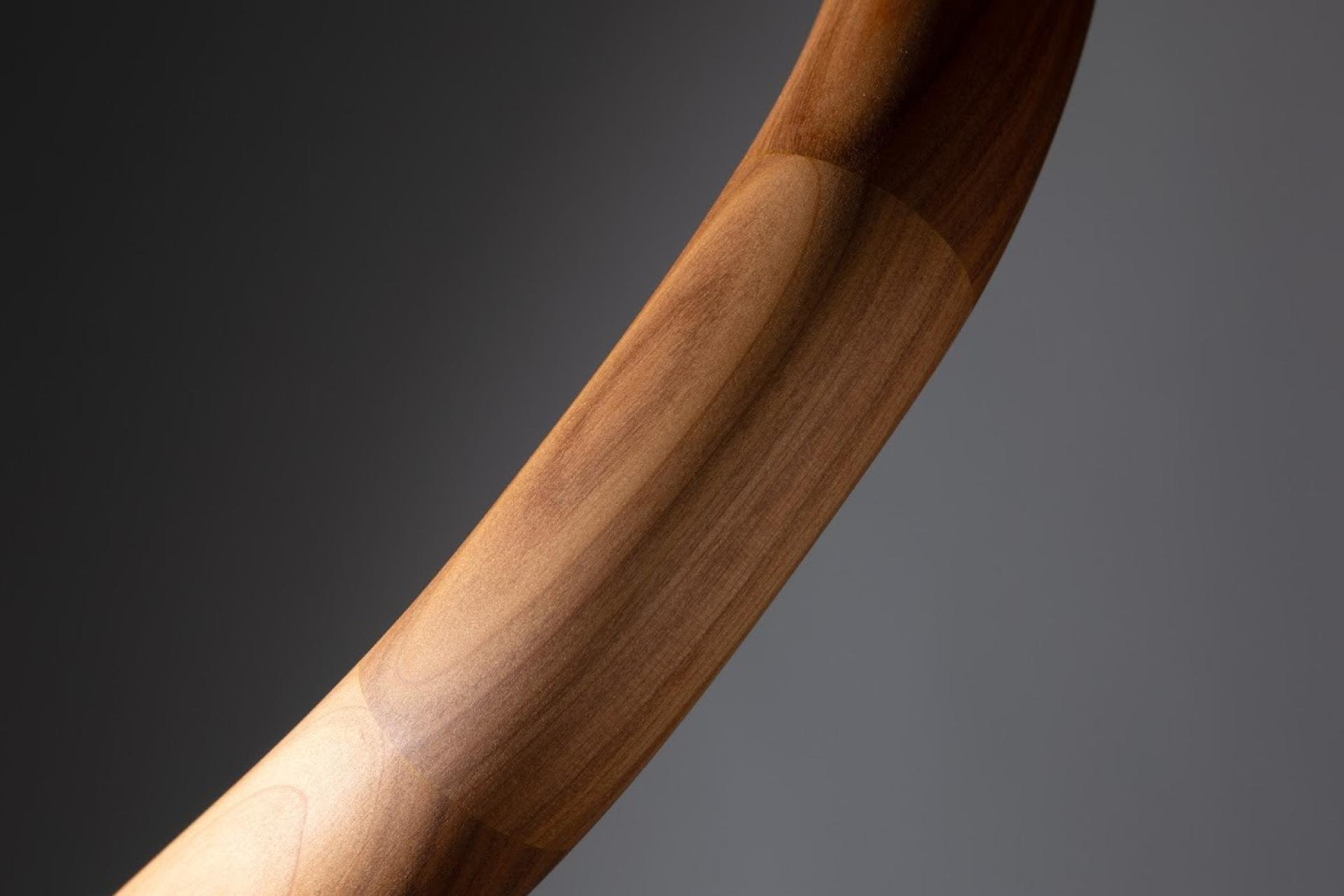
ALTESIMA is a functional sculpture existing at the boundary between furniture, object, and architectural structure. Designed by Japanese wood artist and craftsman Takahito Iijima, the piece explores how organic form can emerge purely through structural logic and material understanding, rather than decorative imitation.
The project asks a fundamental question: “How far can wood be transformed into an organic presence while remaining structurally honest?”
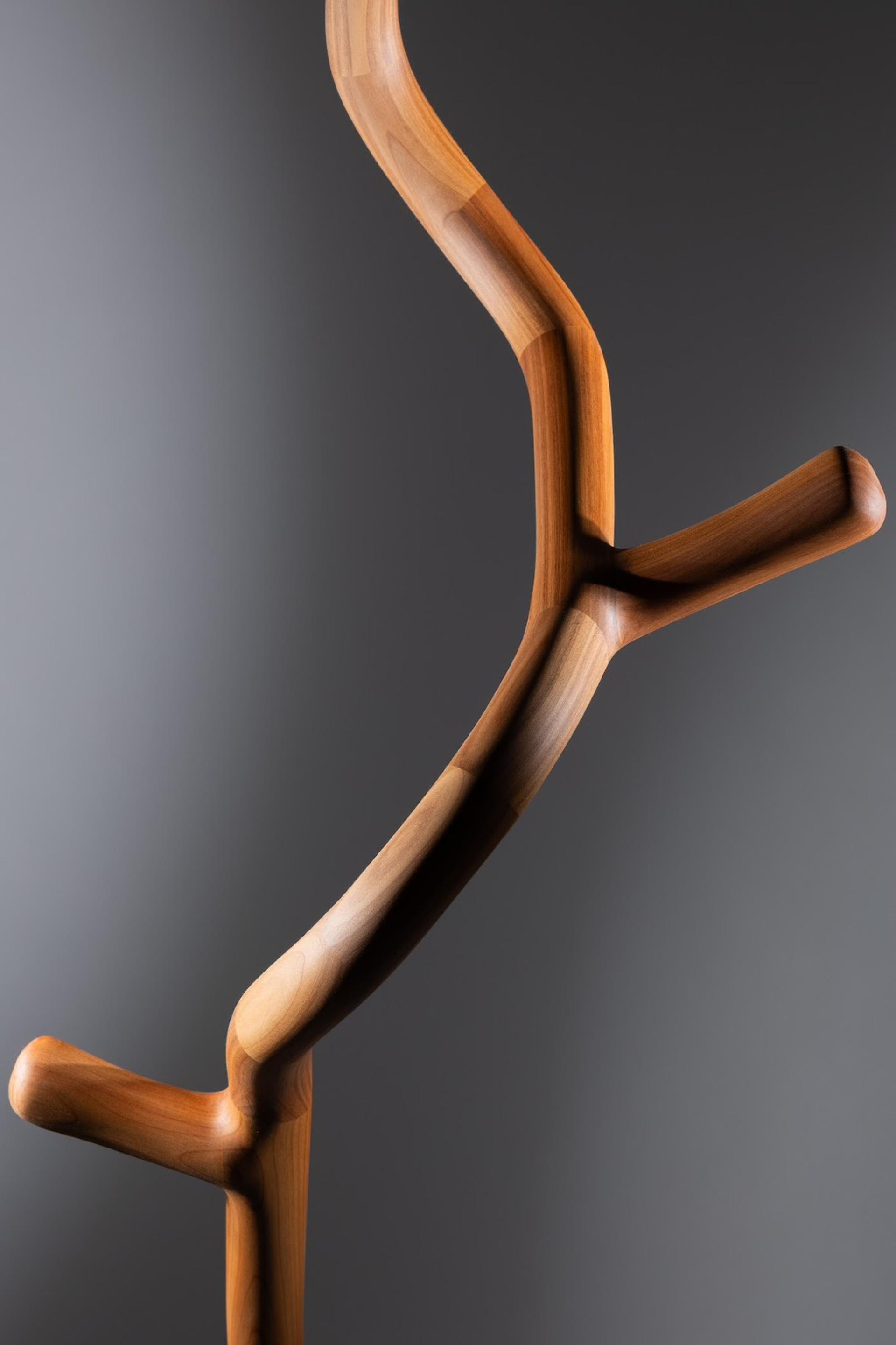
Constructed entirely from straight wooden elements, ALTESIMA achieves a form that appears to grow like a living plant through the precise control of gravity, joinery, and spatial rhythm. While functioning as a coat stand, its intention goes beyond utility; clothing alters its silhouette over time, transforming human interaction into part of the visual composition.
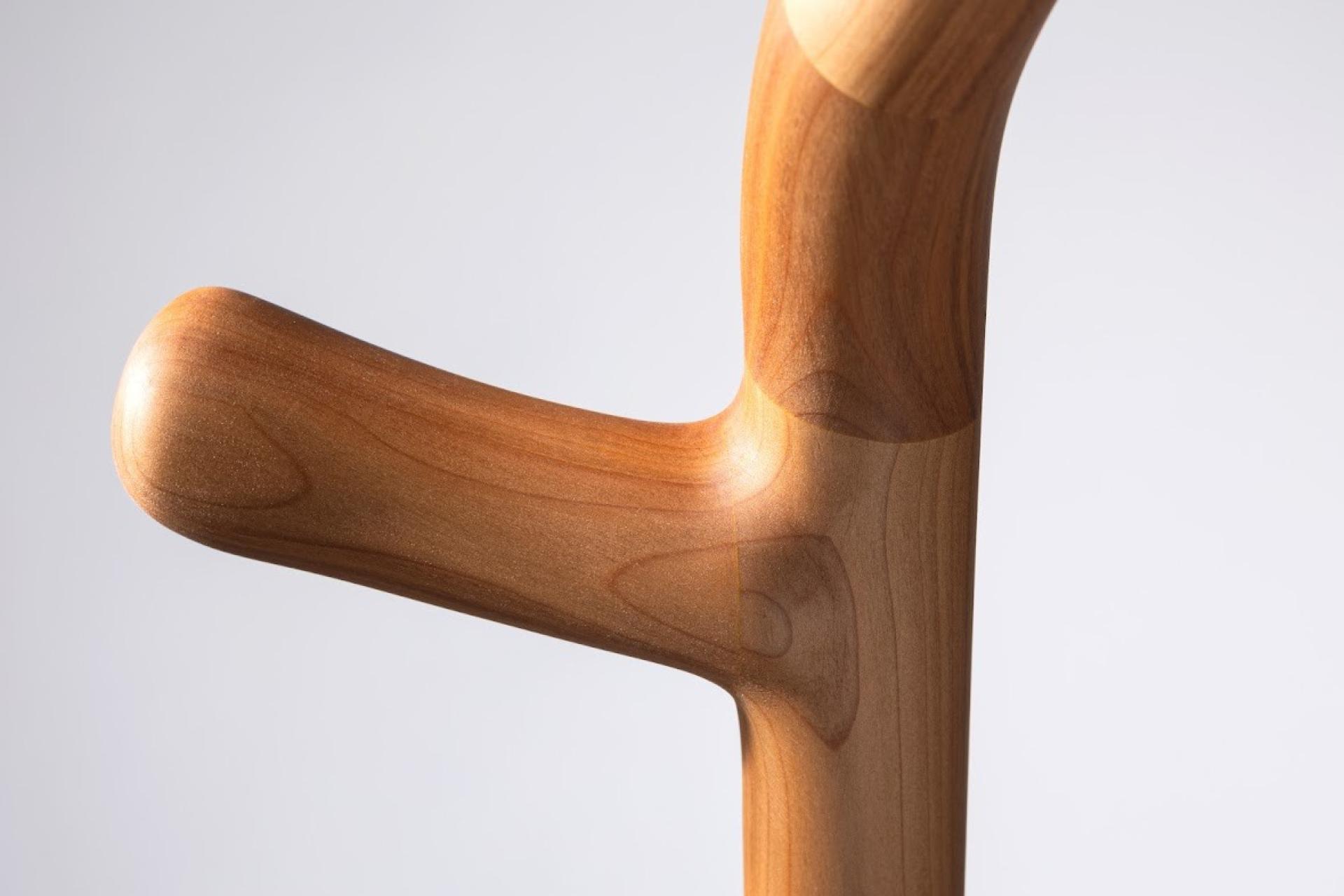
The work is deeply rooted in traditional Japanese carpentry (miyadaiku). Influenced by the shinbashira—the central structural column of traditional pagodas—every branch-like extension is calculated for structural balance, usability, and tension. Each wooden element is meticulously selected for grain direction and joint precision, concealing internal reinforcements to maintain visual lightness.
ALTESIMA challenges mass production by emphasizing unpredictability, asymmetry, and individuality. No two viewing angles produce the same impression, allowing light and shadow to extend the sculpture into its surrounding space.
From a design perspective, the project dissolves boundaries: furniture becomes sculpture, structure becomes ornament, and utility becomes an experience. It evokes a powerful tension between stability and instability, control and spontaneity, artificiality and nature.
In 2025, ALTESIMA received the “Japanese Technique and Culture Special Award” at the Wood Design Award in Japan, selected by architect Kengo Kuma, recognizing its integration of advanced craftsmanship and cultural identity.
Ultimately, ARTESIMA proposes that furniture does not merely occupy space—it actively shapes atmosphere, movement, and human behavior. By transforming structural necessity into visual poetry, it establishes a new relationship between wood, space, and the human body.
Credits

Entrant
Chang COSMOS Design Studio
Category
Interior Design - Restaurants & Bars
Entrant
Mitte
Category
Interior Design - Commercial
Entrant
PETWEENS
Category
Product Design - Toys
Entrant
Lijiang Gucheng District Minzushou Ornaments Co., Ltd.
Category
Fashion Design - Jewelry