2025 | Professional

Micro-Farm, Macro-Capacity
Entrant
Jingbo Huang, Miaoyan Ge, Pan Tan
Category
Architectural Design - Micro Homes
Client's Name
-
Country / Region
United States
Gallery
About The Entry
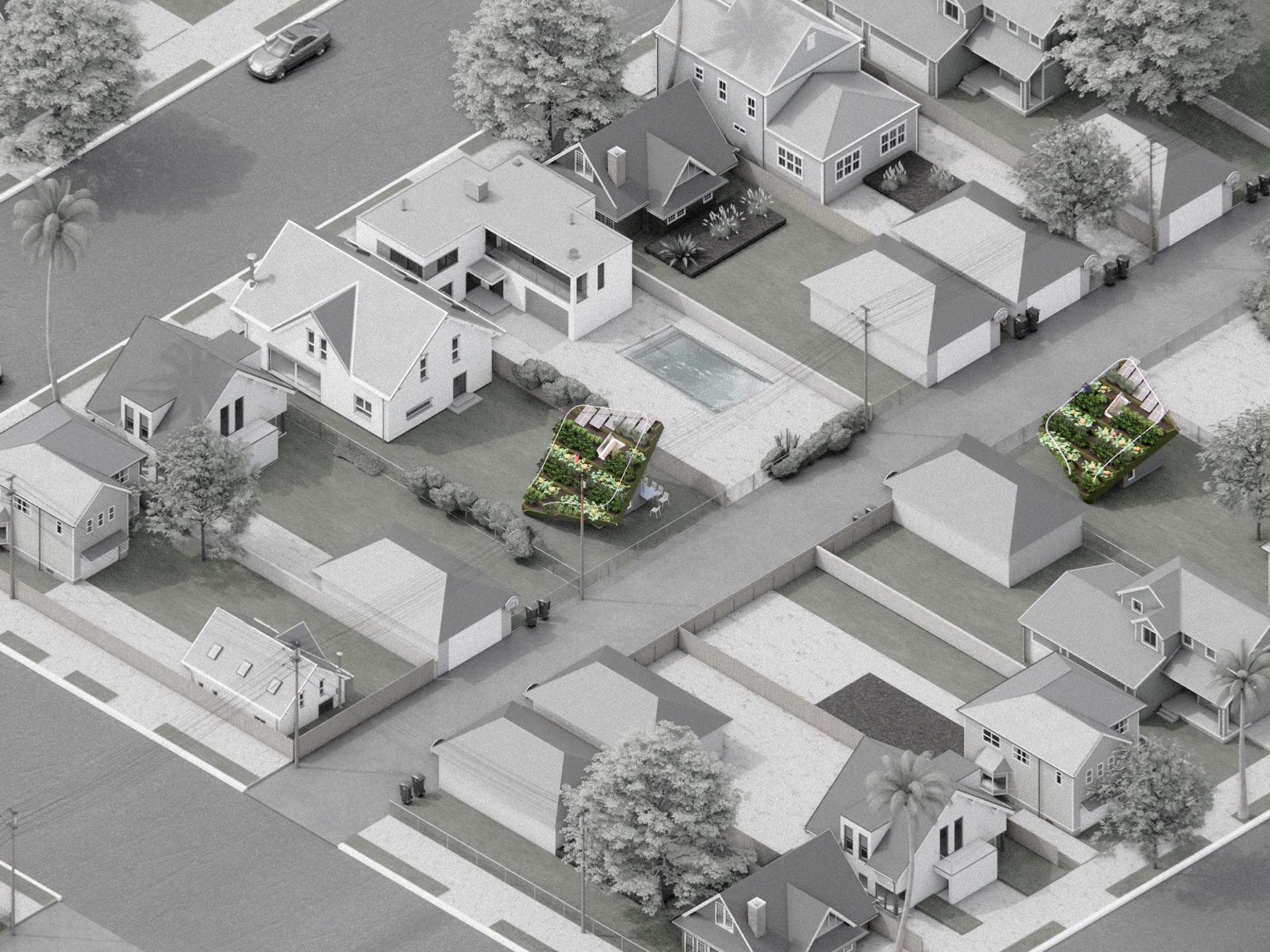
Los Angeles, the second-largest U.S. city, faces mounting urban challenges, particularly in housing and food access. The city has set an ambitious target of 513,000 new housing units by 2029, yet production lags far behind, fueling rent increases and a 9.6% rise in the unhoused population since 2020. Compounding the issue, 74% of the city’s land remains zoned for single-family housing. While the 2019 legalization of Accessory Dwelling Units (ADUs) opened opportunities for increased density, systemic barriers to affordability and timely construction persist.
Alongside the housing shortage is a pressing public health concern: limited access to fresh produce. Over one-third of Los Angeles residents live in “food deserts,” where grocery stores are more than half a mile away, disproportionately affecting low-income communities. These two overlapping crises demand integrated solutions that reimagine how single-family neighborhoods function.
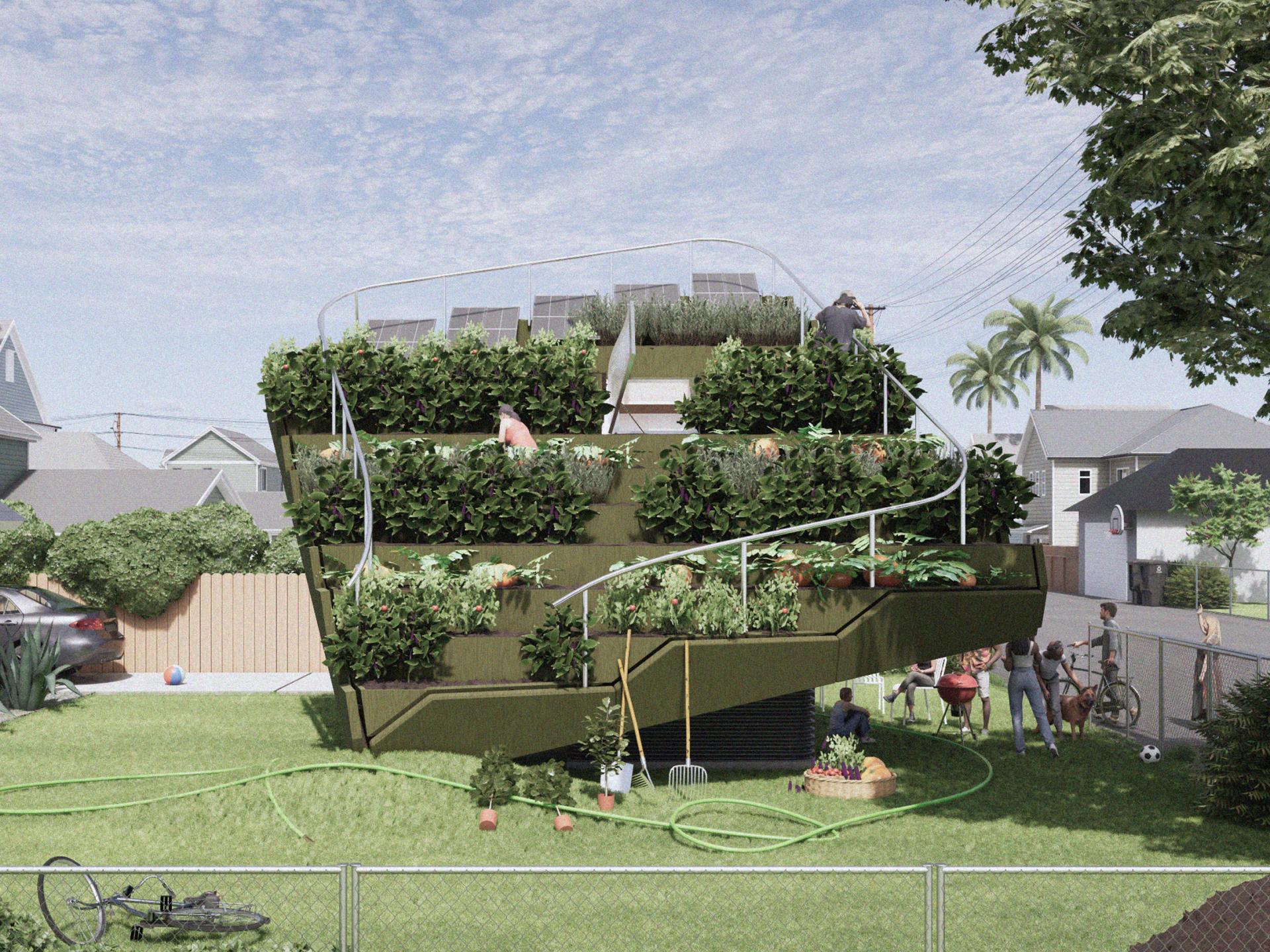
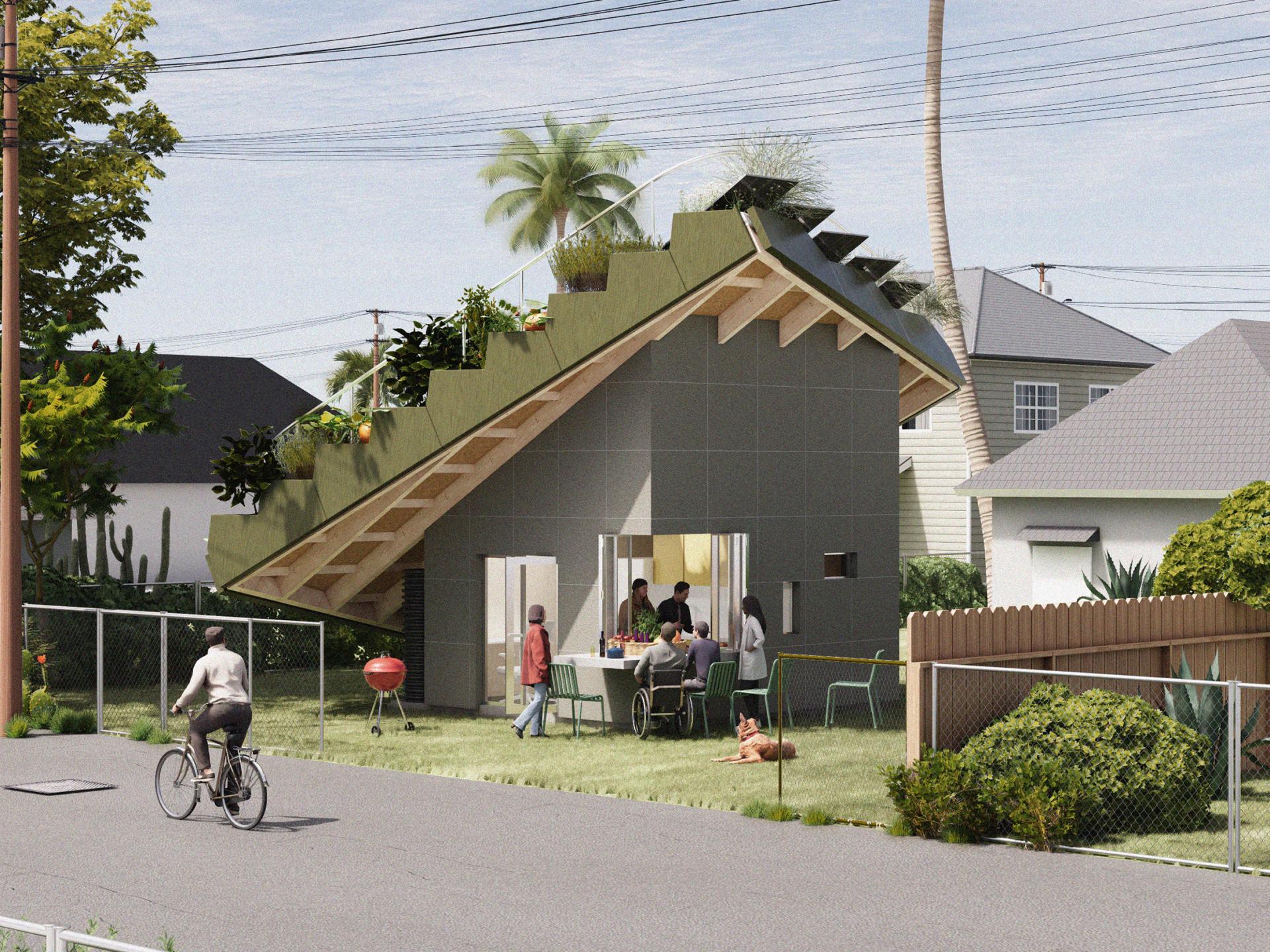
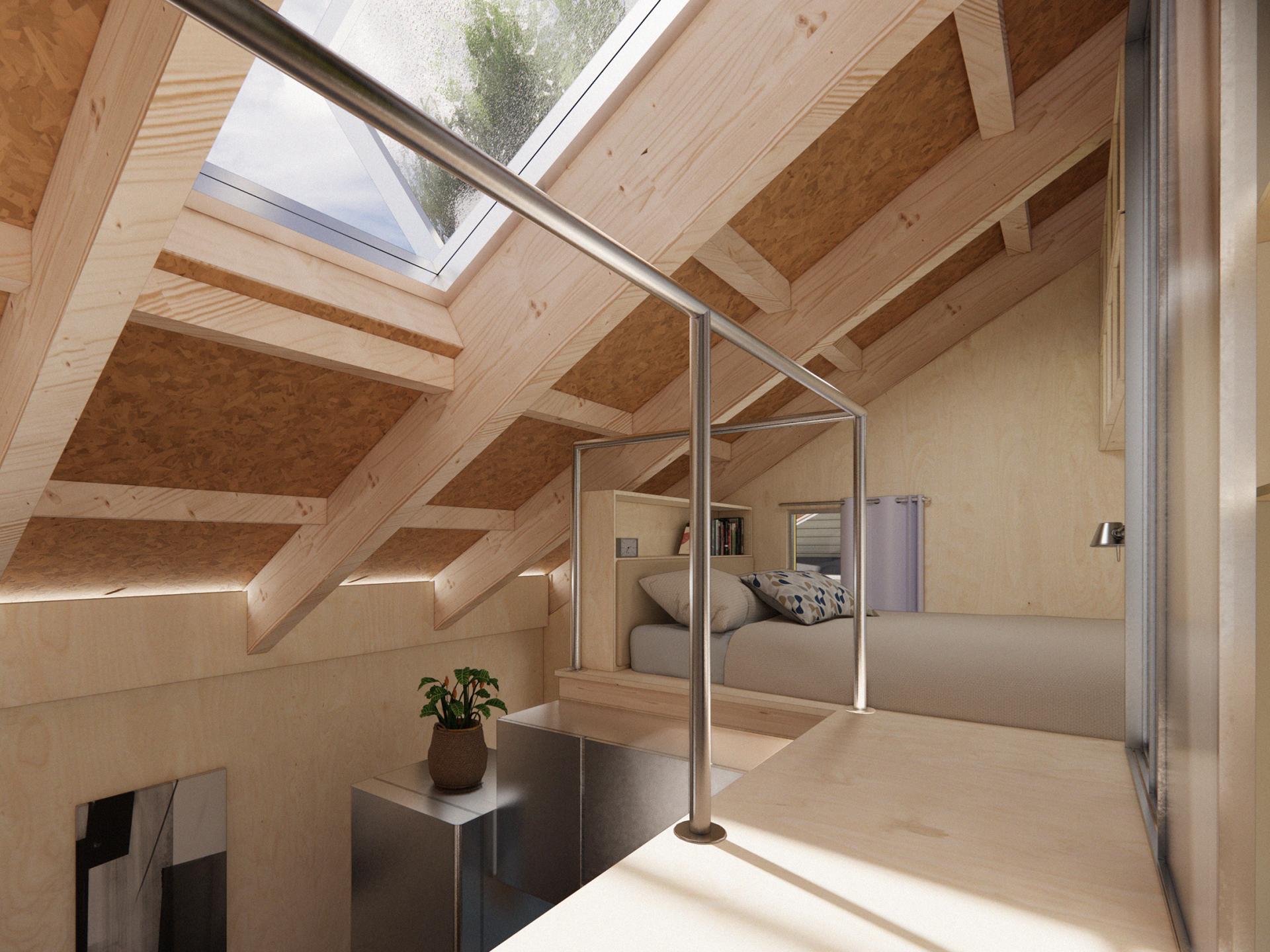
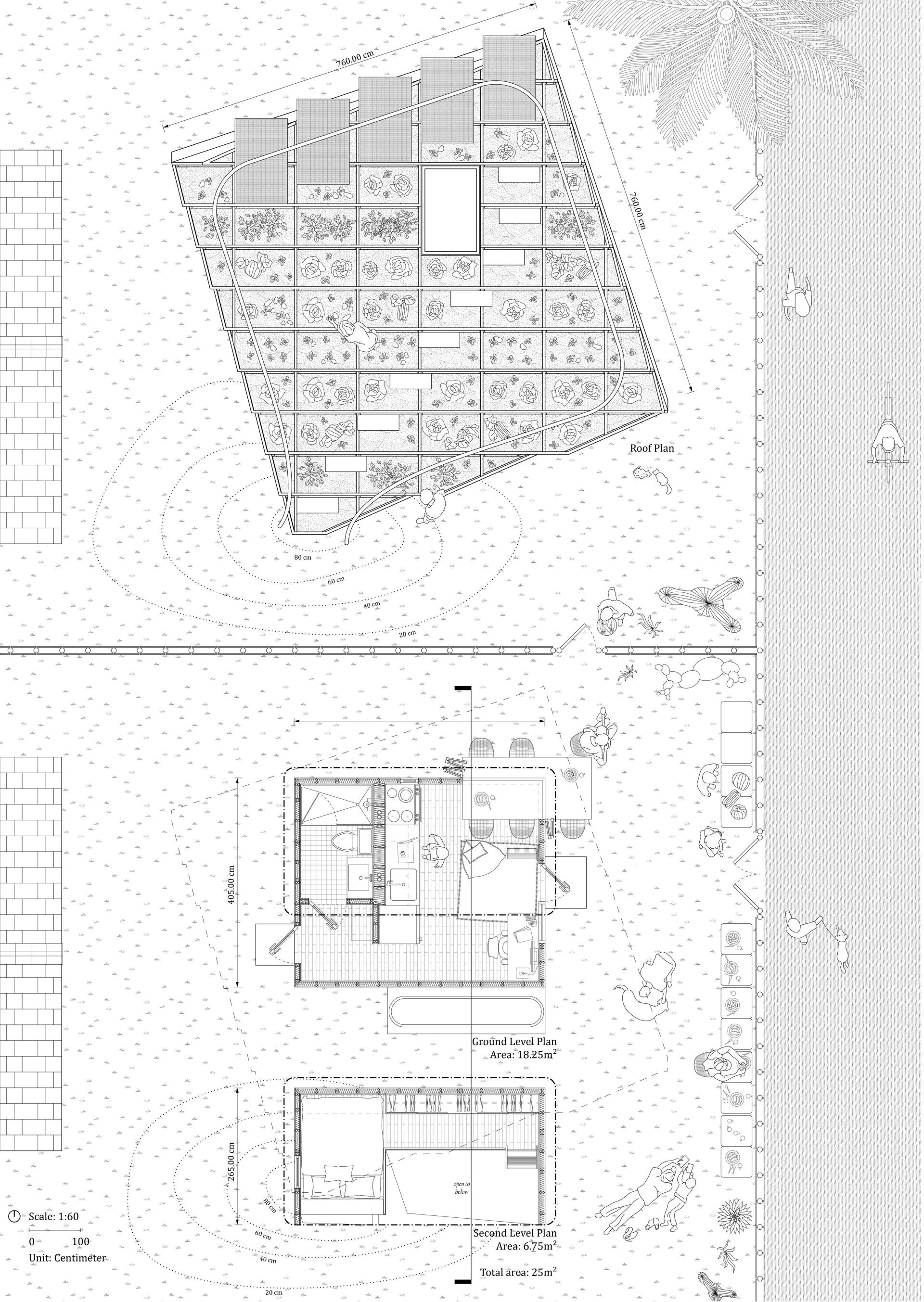
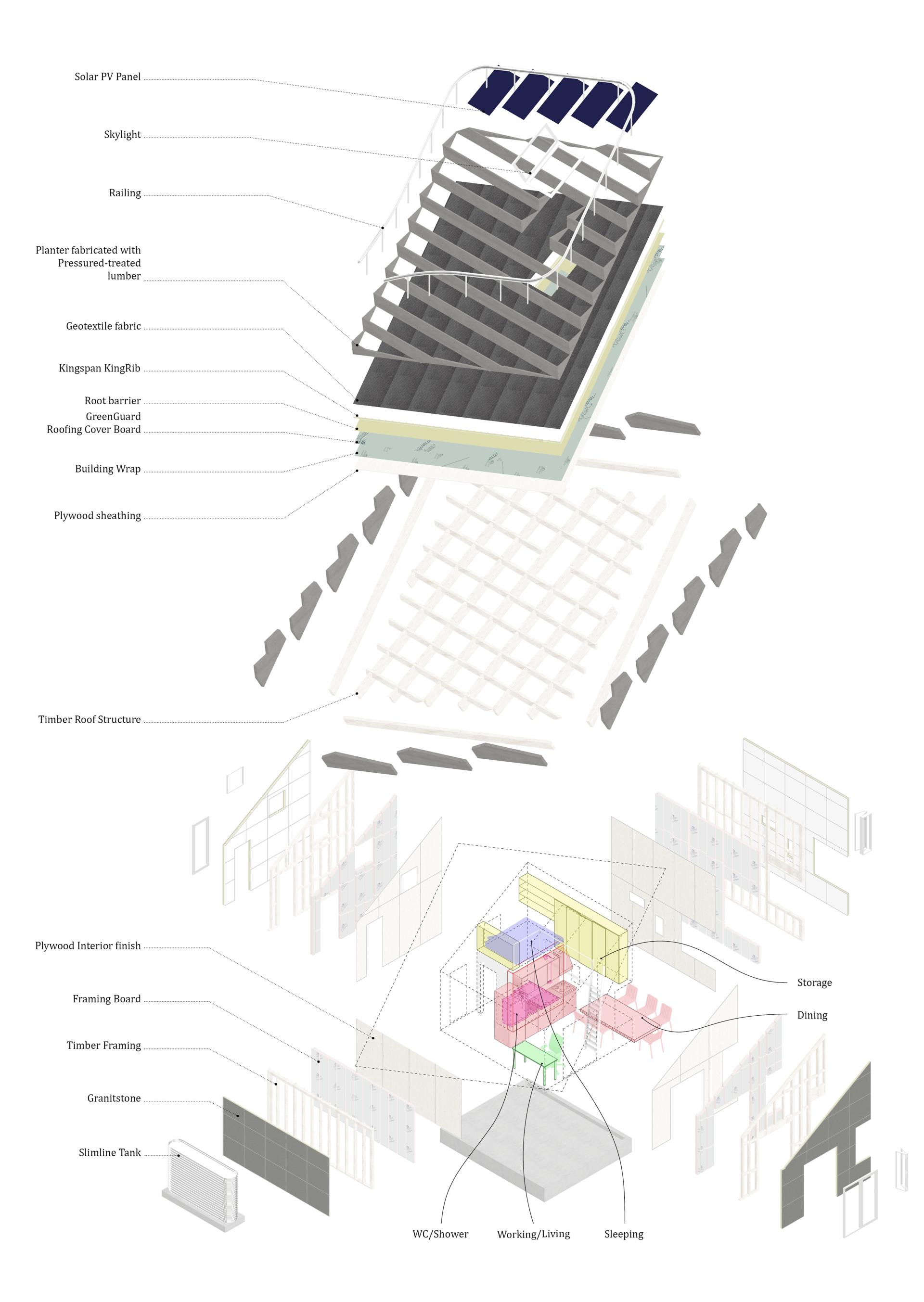
This proposal introduces a modular microhome system that doubles as an urban microfarm, addressing both housing supply and food access. The design leverages Los Angeles’ abundant sunlight and mild climate, transforming the backyard landscape of single-family lots into an elevated garden that also serves as the microhome’s roof. This intervention creates new living space while preserving much of the yard and shifting its role from private retreat to community asset.
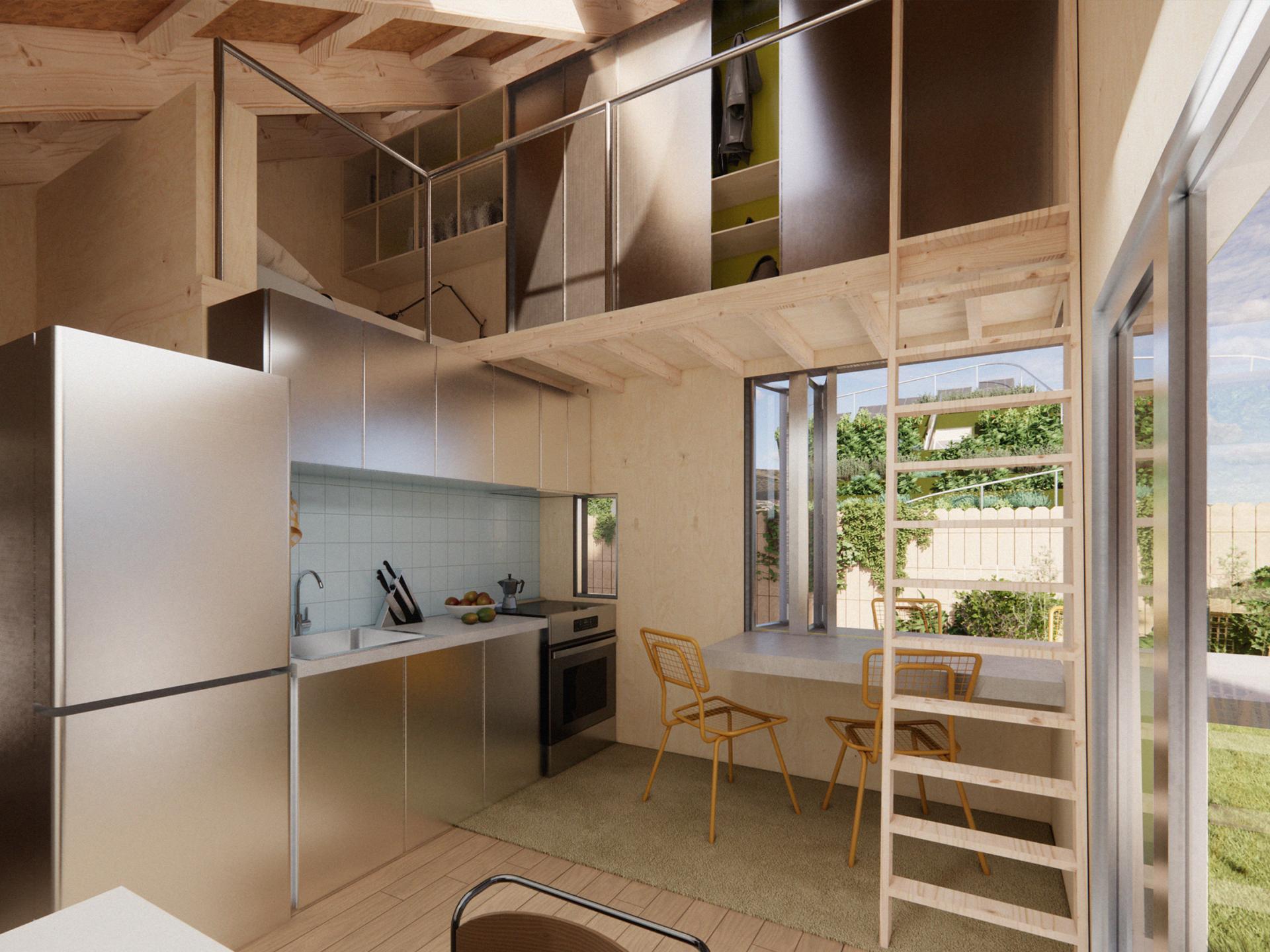
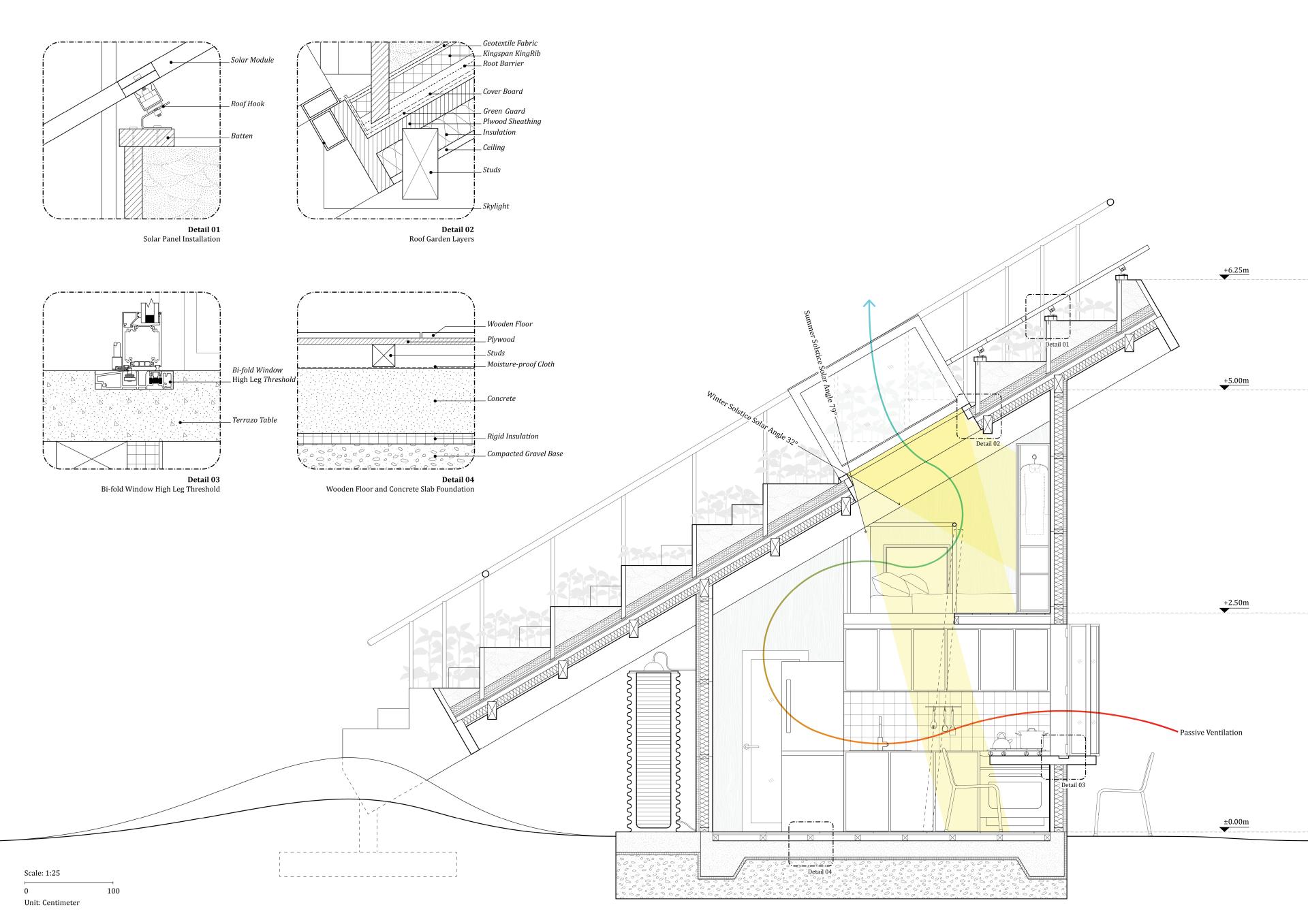
The south-facing roof garden maximizes solar exposure for urban farming, while broad eaves provide shaded, comfortable interiors below. Large operable windows and skylights enhance natural light, ventilation, and flexible use of space, blurring boundaries between indoors and outdoors. By activating underused alleyways with sites for food cultivation and shared community events, the microhome cultivates social interaction at a neighborhood scale. Combining modular construction with sustainable technologies, the proposal reframes the backyard as both a site of habitation and a hub for fresh food production.
Credits
Entrant
Yincheng Interior Design
Category
Interior Design - Residential
Entrant
Fecina Design Co., Ltd.
Category
Packaging Design - Innovative (NEW)
Entrant
Parsons School of Design
Category
Fashion Design - Avant-Garde

Entrant
Guangdong 1858 Home Co.
Category
Product Design - Bathroom Fittings / Appliances