2026 | Professional

Olivino Art Restaurant
Entrant Company
Not A Studio - Su meina, Qin Junfei, Ou Shuqin
Category
Interior Design - Restaurants & Bars
Client's Name
Country / Region
China
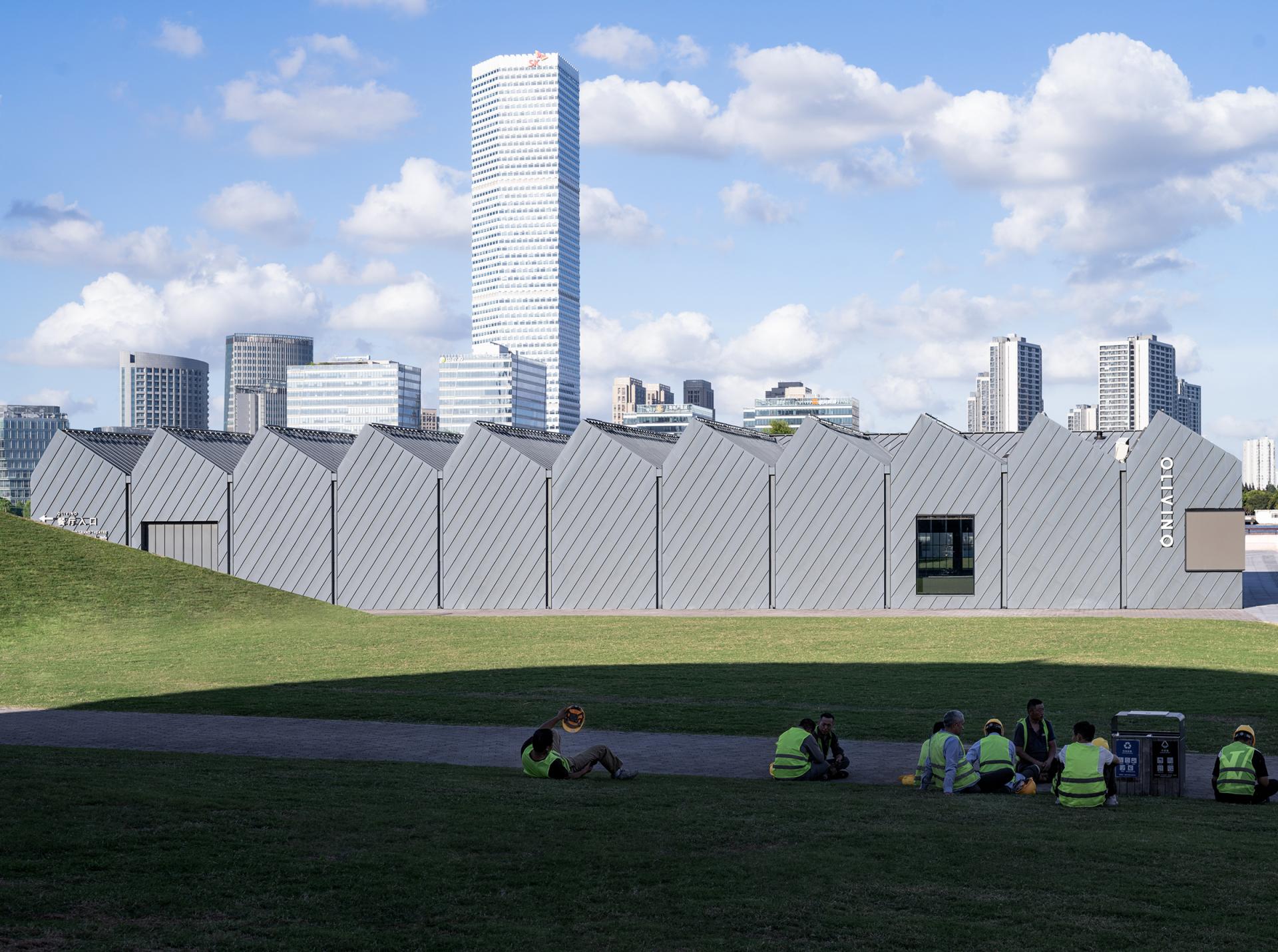
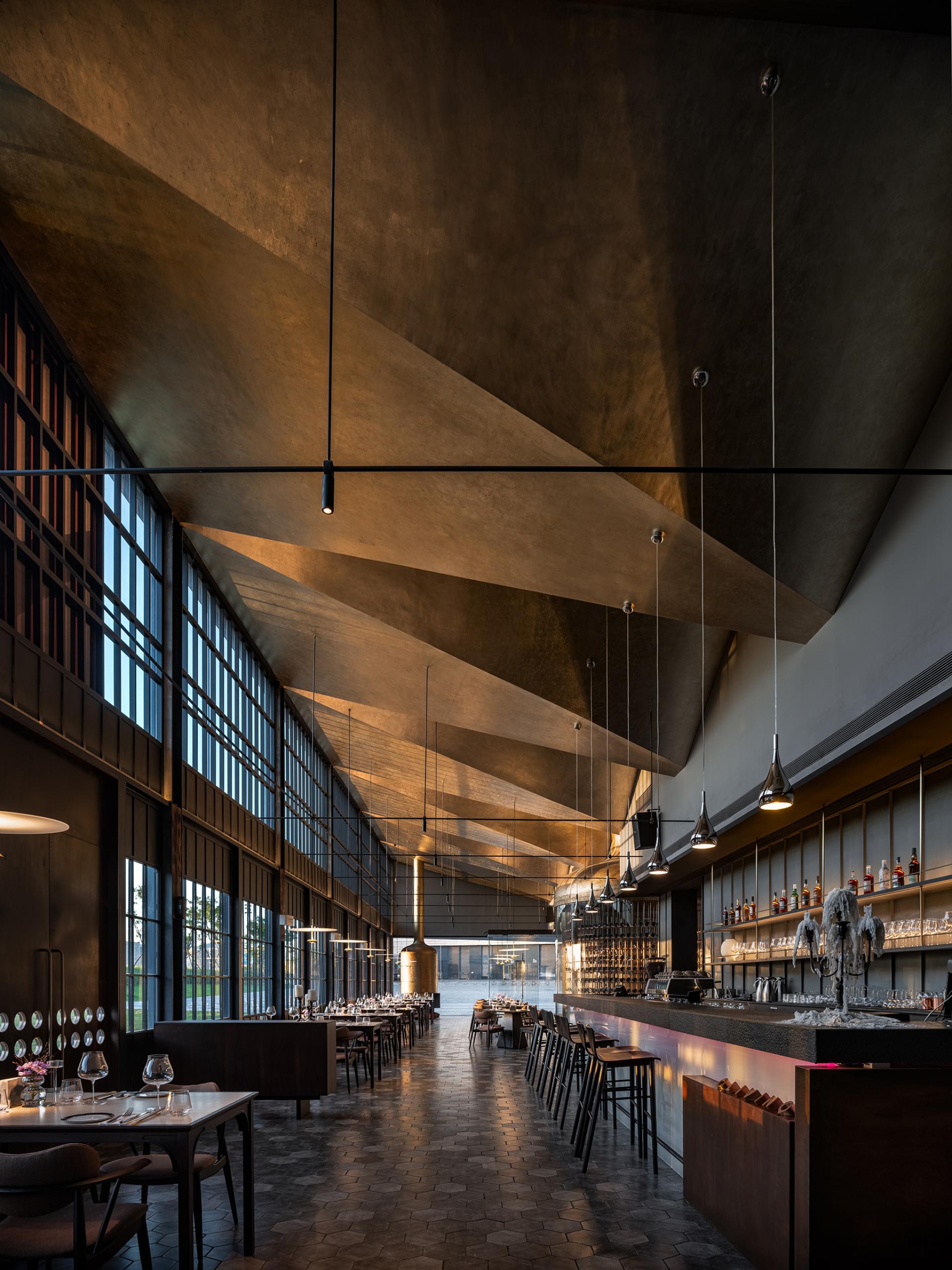
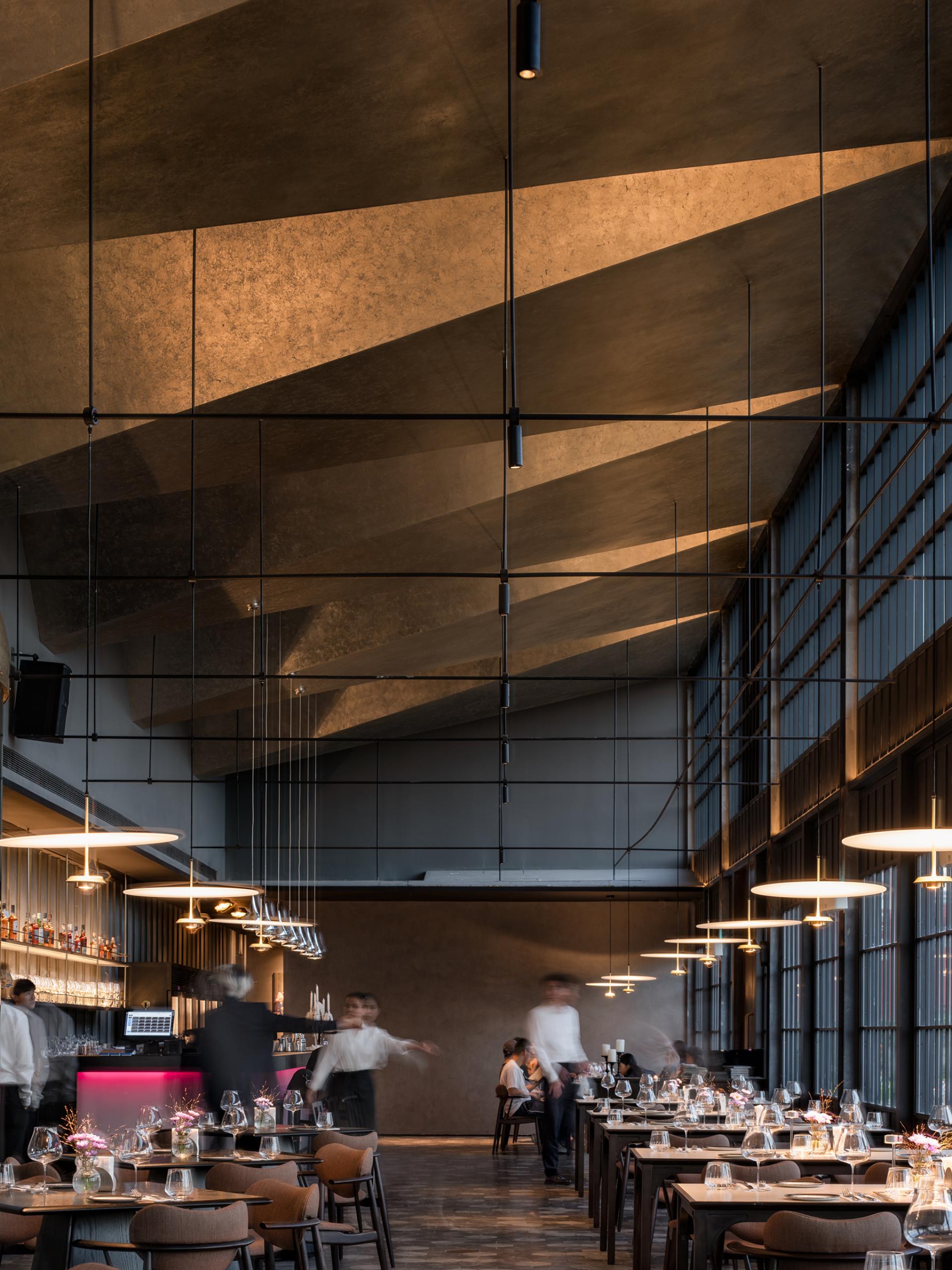
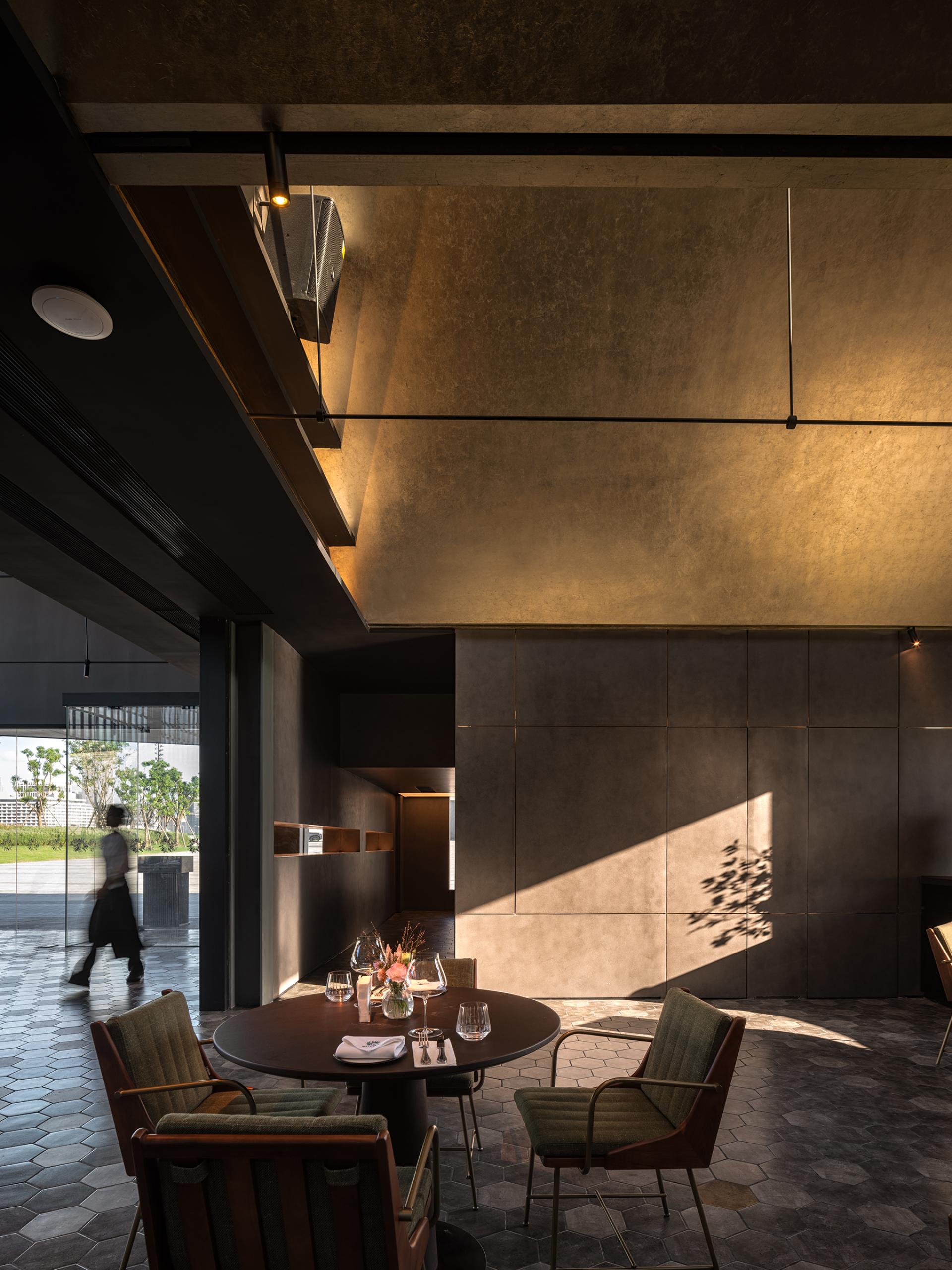
The design of the restaurant at the Shanghai Tank Art Center transforms a neutral industrial exhibition space into a dynamic, emotionally engaging dining environment. Rooted in the spirit of the original building, the design emphasizes a dialogue between the cold industrial framework and the warmth of human activity, avoiding excessive decoration and focusing on simplicity and functionality.
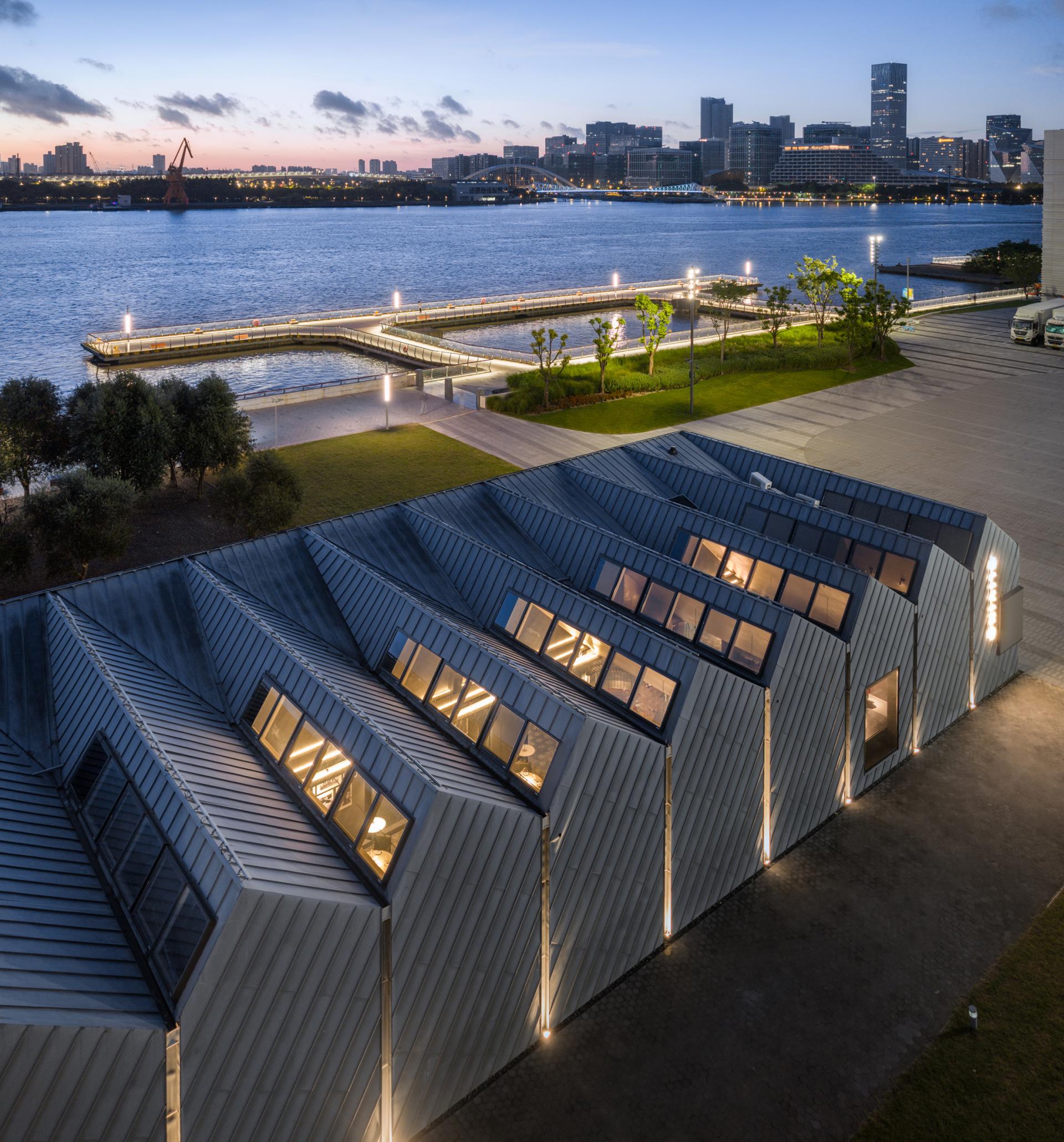
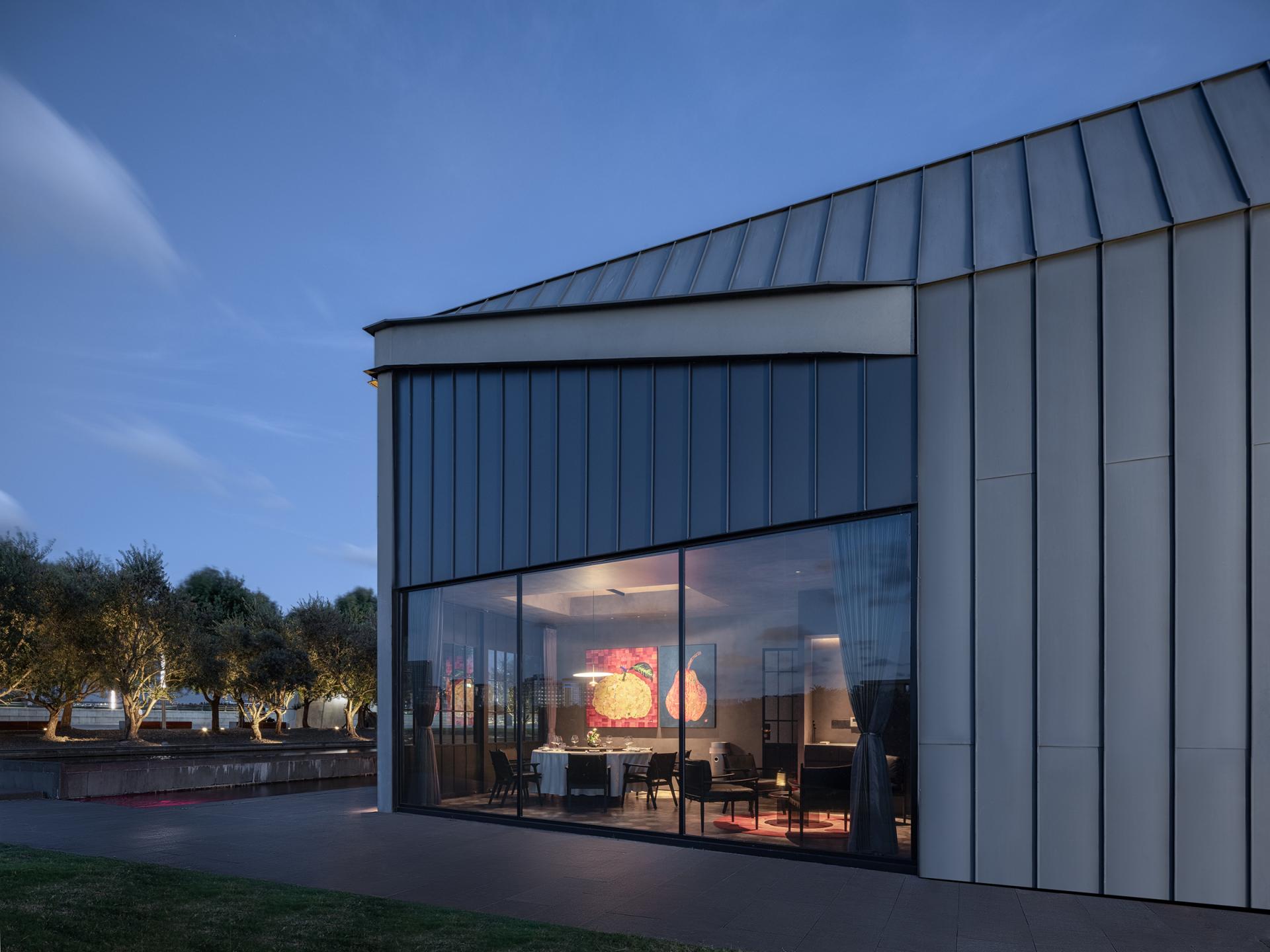
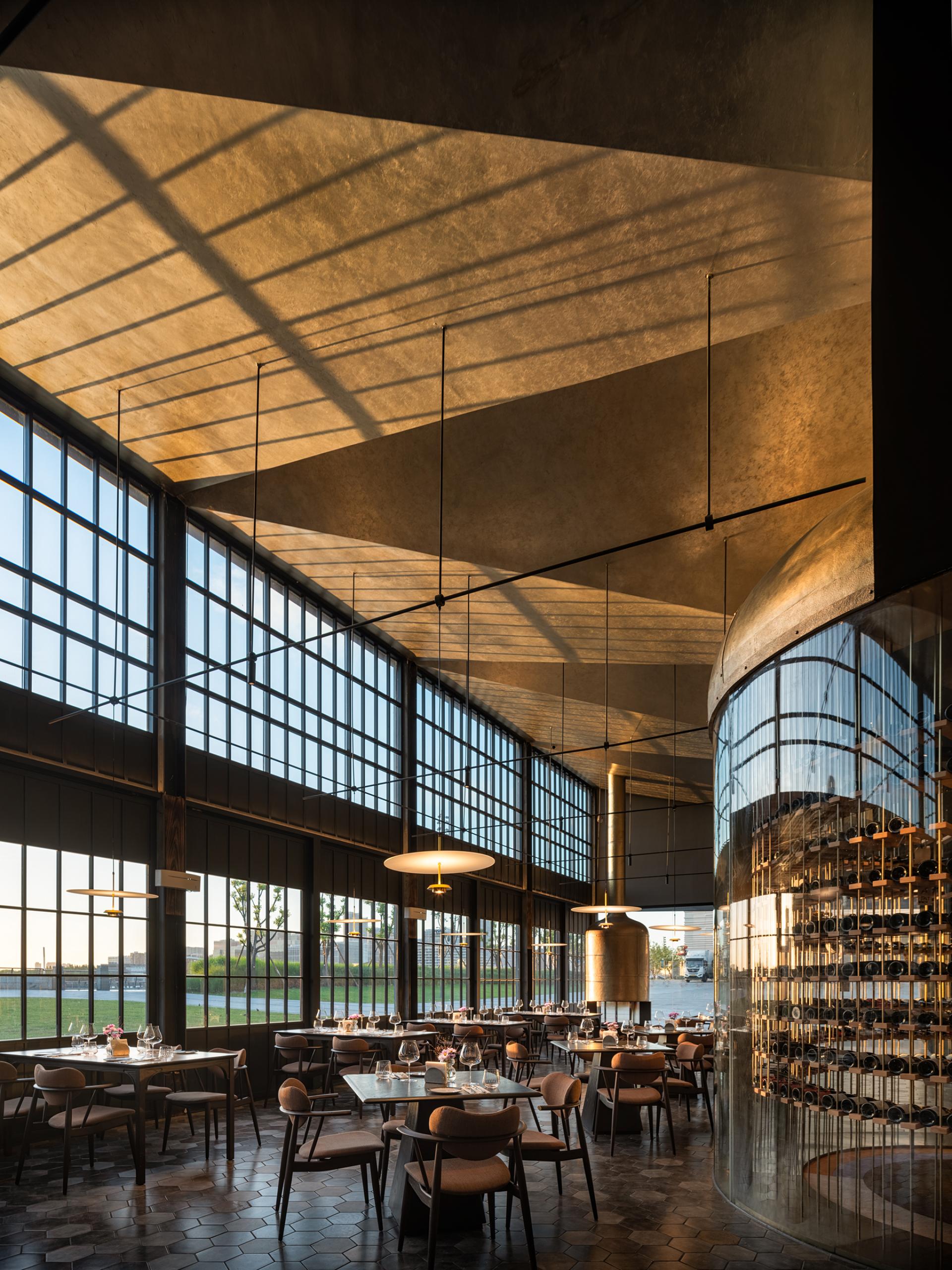
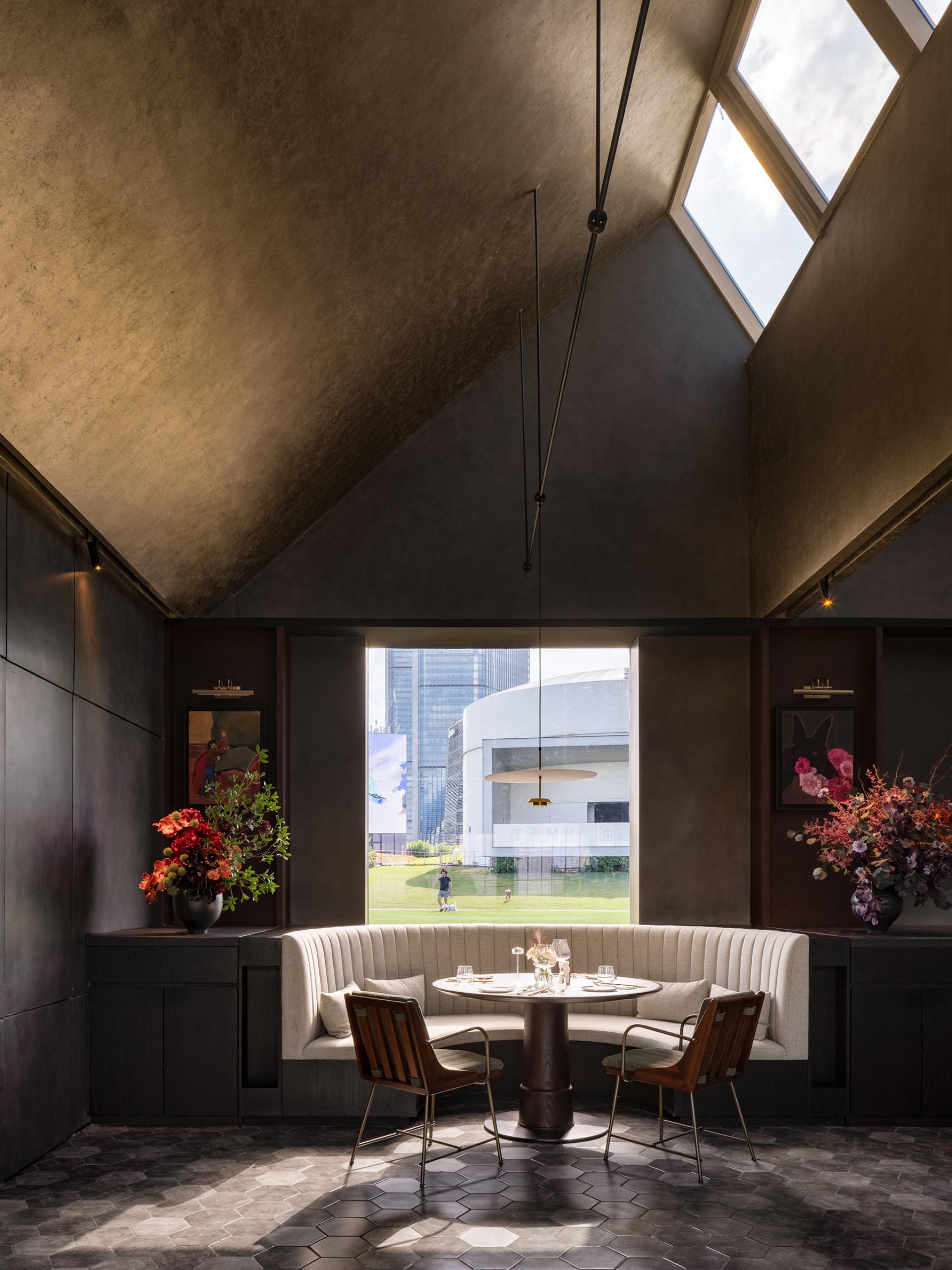
Preserving the building’s original open-plan structure with clear blocks and iconic skylights, the design subtly integrates modern interventions. Hidden lighting lines and air-conditioning ducts improve functionality while enhancing the industrial aesthetic. The layout maximizes natural light during the day, with large skylights and newly added grid glass windows offering a seamless connection between the interior and the outdoors. As the light changes throughout the day, the space evolves, casting varying emotional tones and offering a living, breathing ambiance.
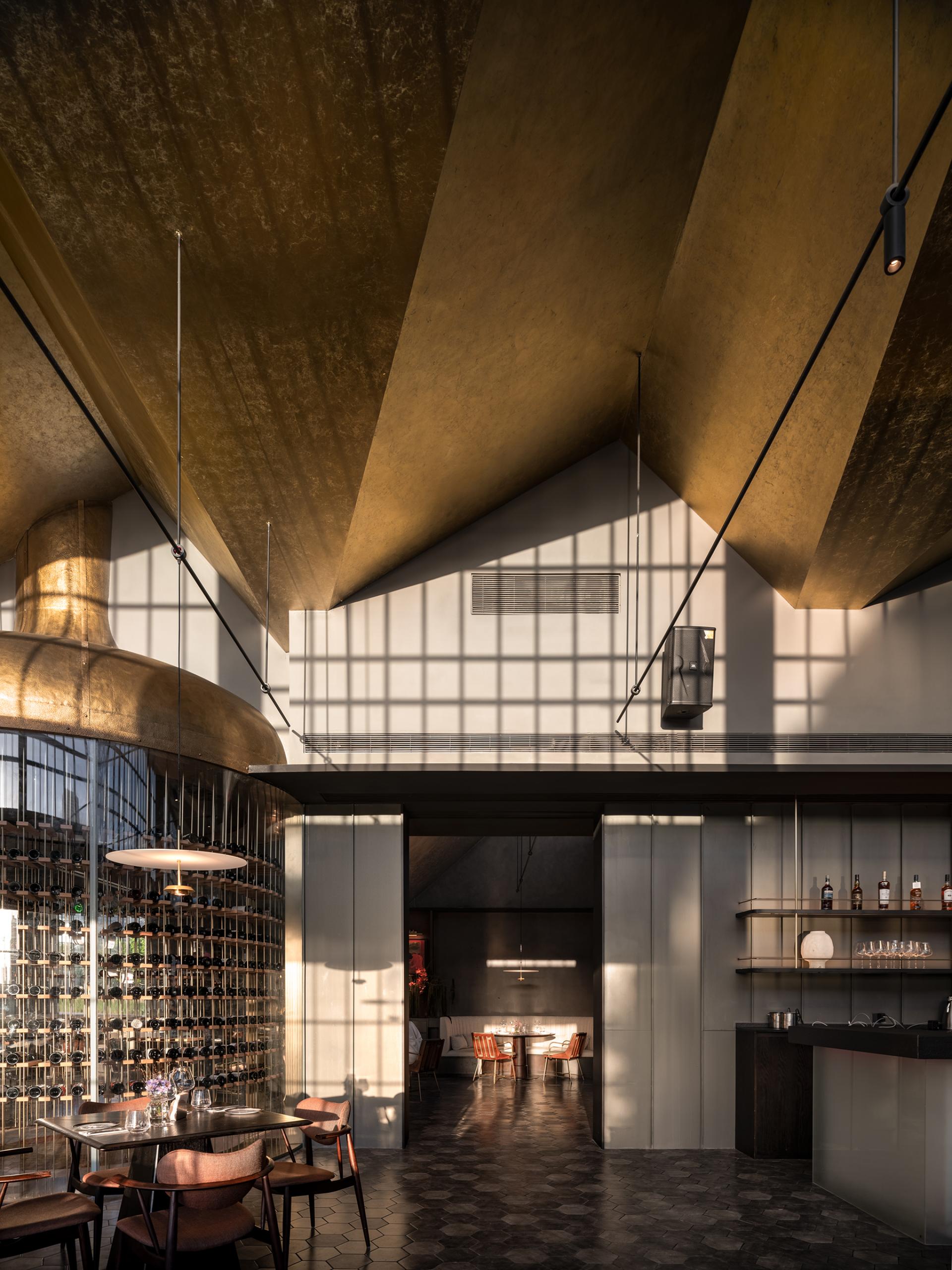
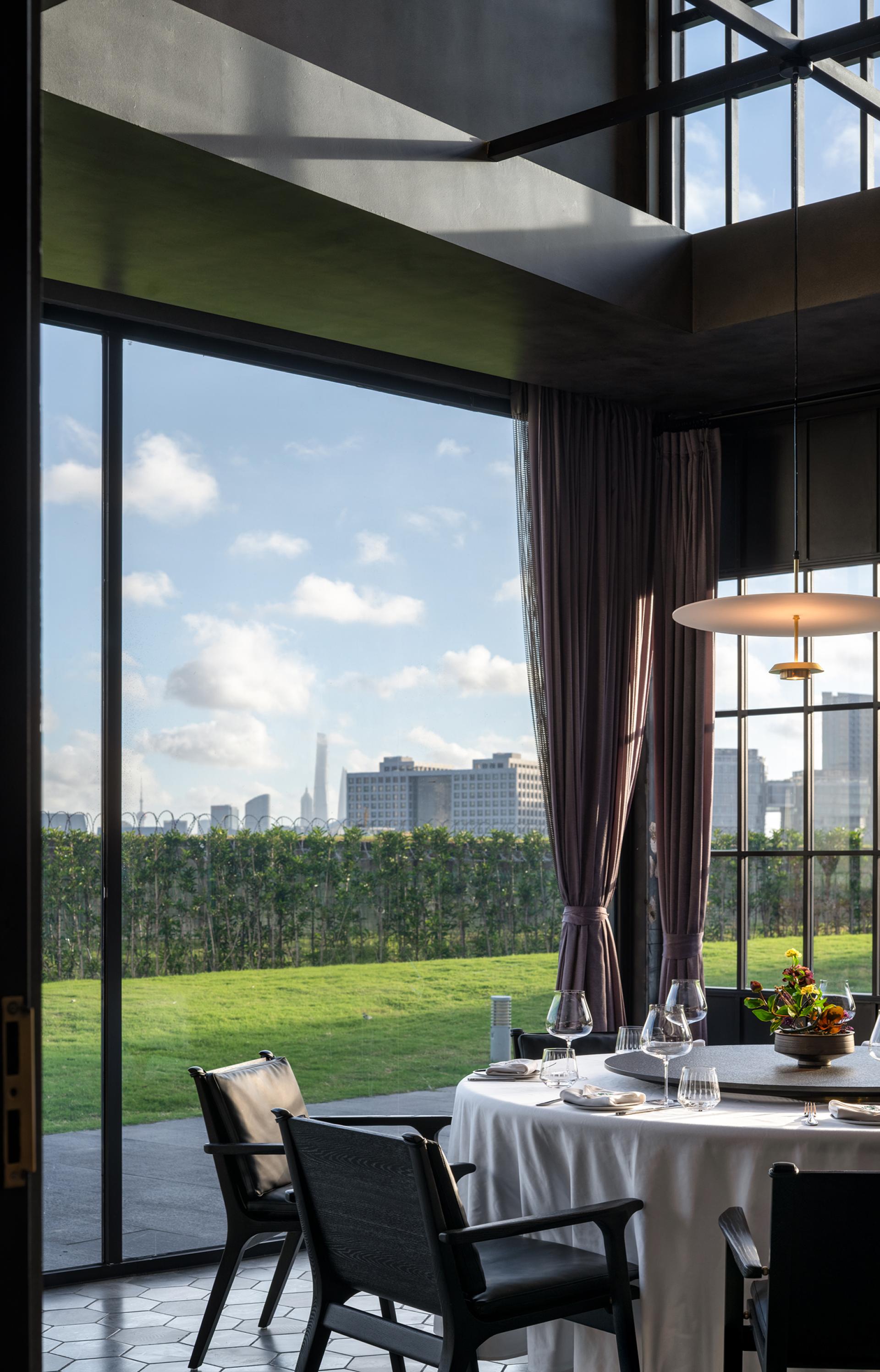
To expand the usable area and enhance the connection to the exterior, the design incorporates a gray space under the corridor that faces the olive grove and Huangpu River. This space is framed as a moving scenic display, creating a harmonious Nordic design influence within the industrial context. A striking glass wine cellar acts as the primary visual focal point in the narrow, long building, creating an intimate yet open connection between the interior and exterior. The circular wine cellar, paired with a long-handled copper stove, fosters a sense of unity and warmth while also serving practical functions, such as heating and food preparation.
As night falls, the space transitions into a cozy, poetic environment. The ceiling’s inverted pyramids and low-hanging chandeliers form light circles over the tables, enhancing the intimacy and ritual of dining. The surrounding view, framed by grid glass, captures a dynamic scene of the river, green lawns, olive trees, and the urban skyline across the water, enriching the dining experience. This interaction between the inside and outside creates a space that is more than just a restaurant — it is an immersive journey that blends architecture, nature, and art.
Credits
Entrant Company
deng yan studio
Category
Architectural Design - Renovation

Entrant Company
Beijing FromD Product Design Consulting Co., Ltd.
Category
Product Design - Robotics
Entrant Company
Wan Design Studio
Category
Interior Design - Hotels & Resorts
Entrant Company
PERCEPT DESIGN
Category
Interior Design - Commercial