2026 | Student

Air Touch
Entrant
ShanghaiTech University
Category
Conceptual Design - Smart Technologies
Client's Name
Apollo Automobil
Country / Region
China
Gallery




About The Entry
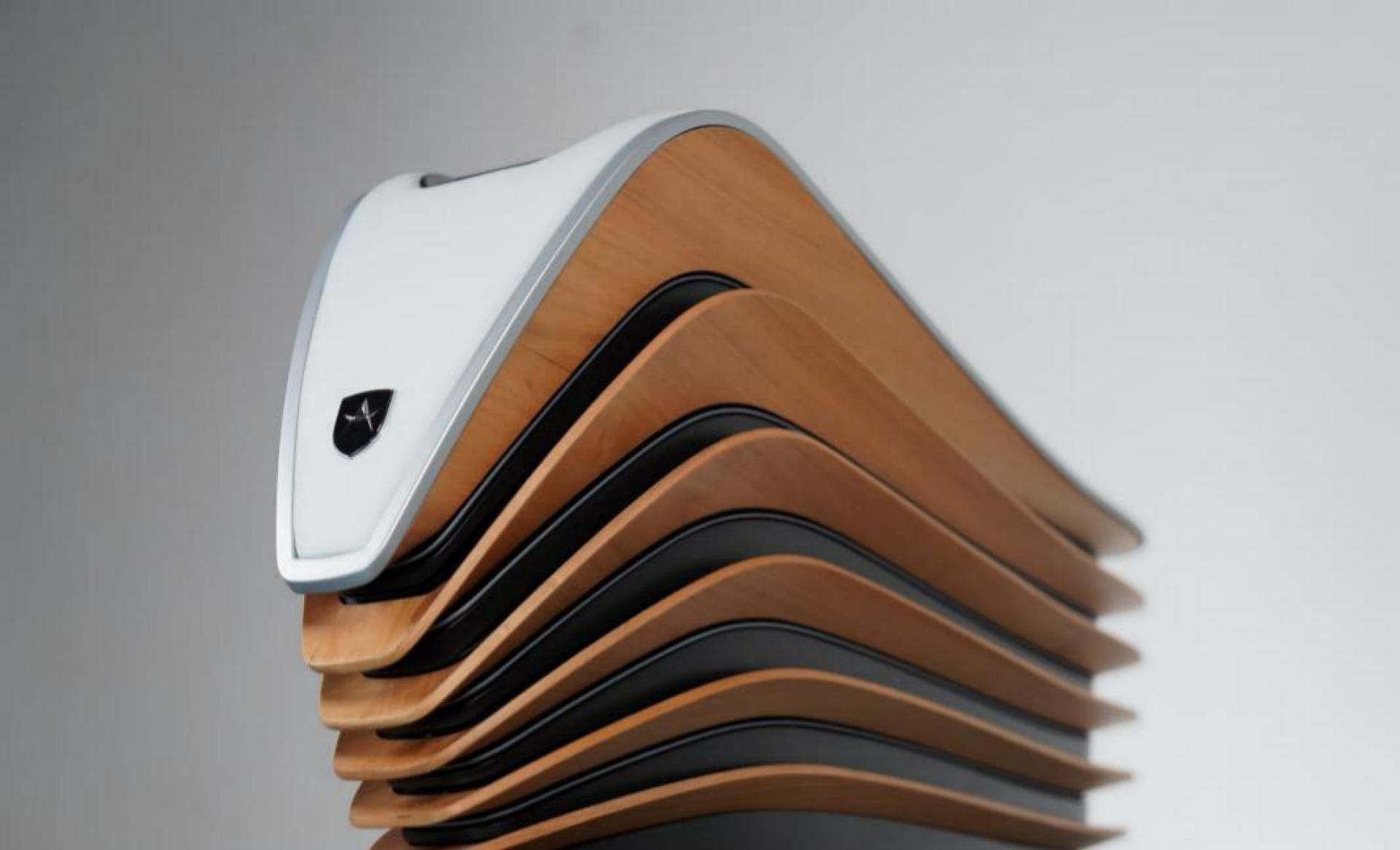
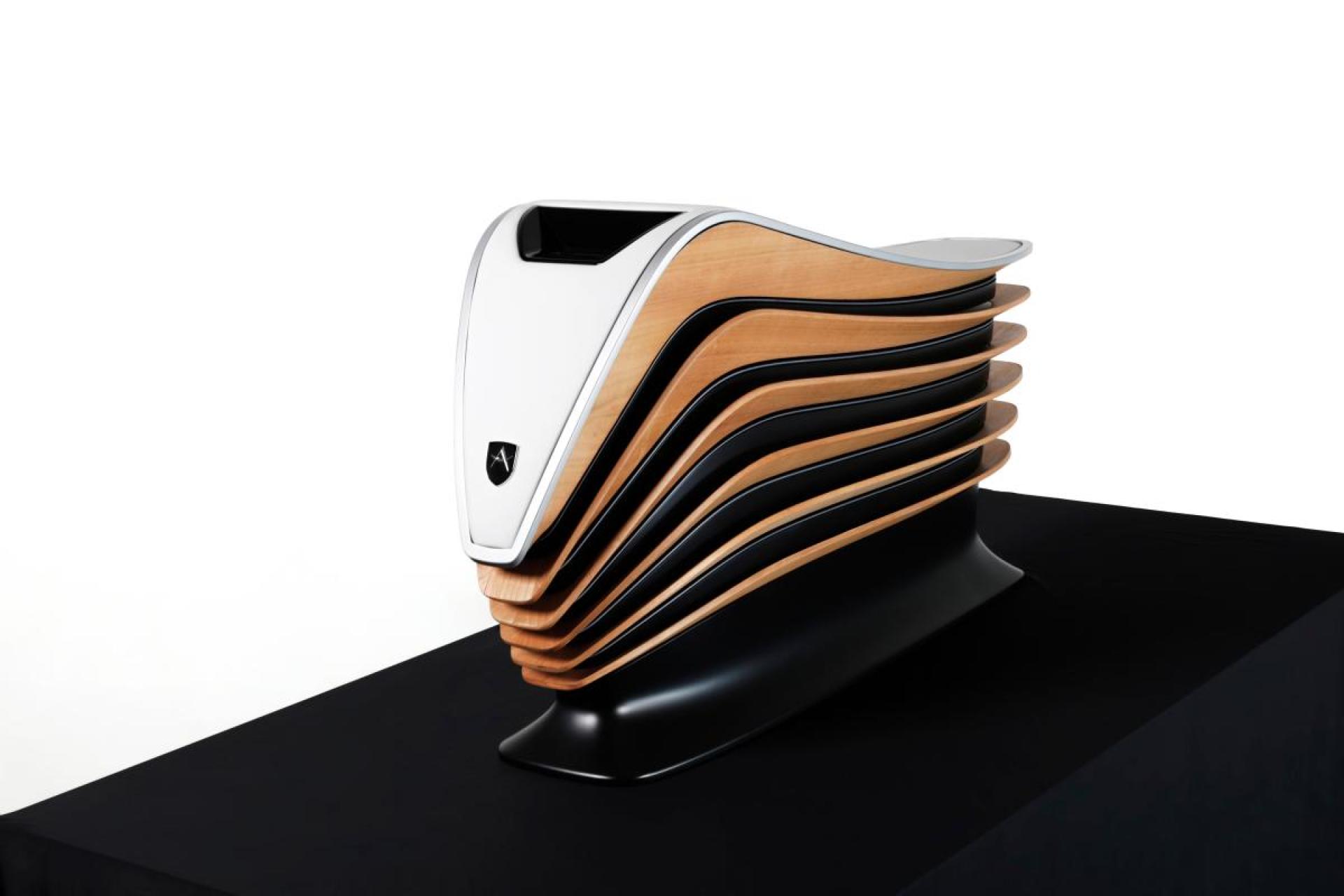
Air Touch is a conceptual middle console design dedicated to high-end autonomous vehicles. It implements a human-centered, gesture-based interaction method that enables intuitive and efficient control of built-in environmental systems, specifically the air conditioning module.
As the automotive industry evolves toward autonomous driving, vehicle interiors are becoming more spacious, often rendering traditional fixed buttons and dashboard touchscreens cumbersome or physically out of reach for backseat passengers. Modern interfaces also suffer from complex digital logic and poor mapping, requiring users to navigate distracting menus for simple tasks. Air Touch addresses these issues by allowing users to command the system through natural body language rather than physical contact.
The core interaction logic relies on a computer vision algorithm that tracks hand movements via a camera discreetly integrated into the console’s upper crease. The system employs a multi-level sequence: raising a hand activates "pointing mode," and hovering over a component confirms the selection. Once engaged, specific intuitive gestures control parameters: moving the palm up and down adjusts the airflow direction, a rotating pinch gesture modifies the temperature, and a clenching fist controls wind power.
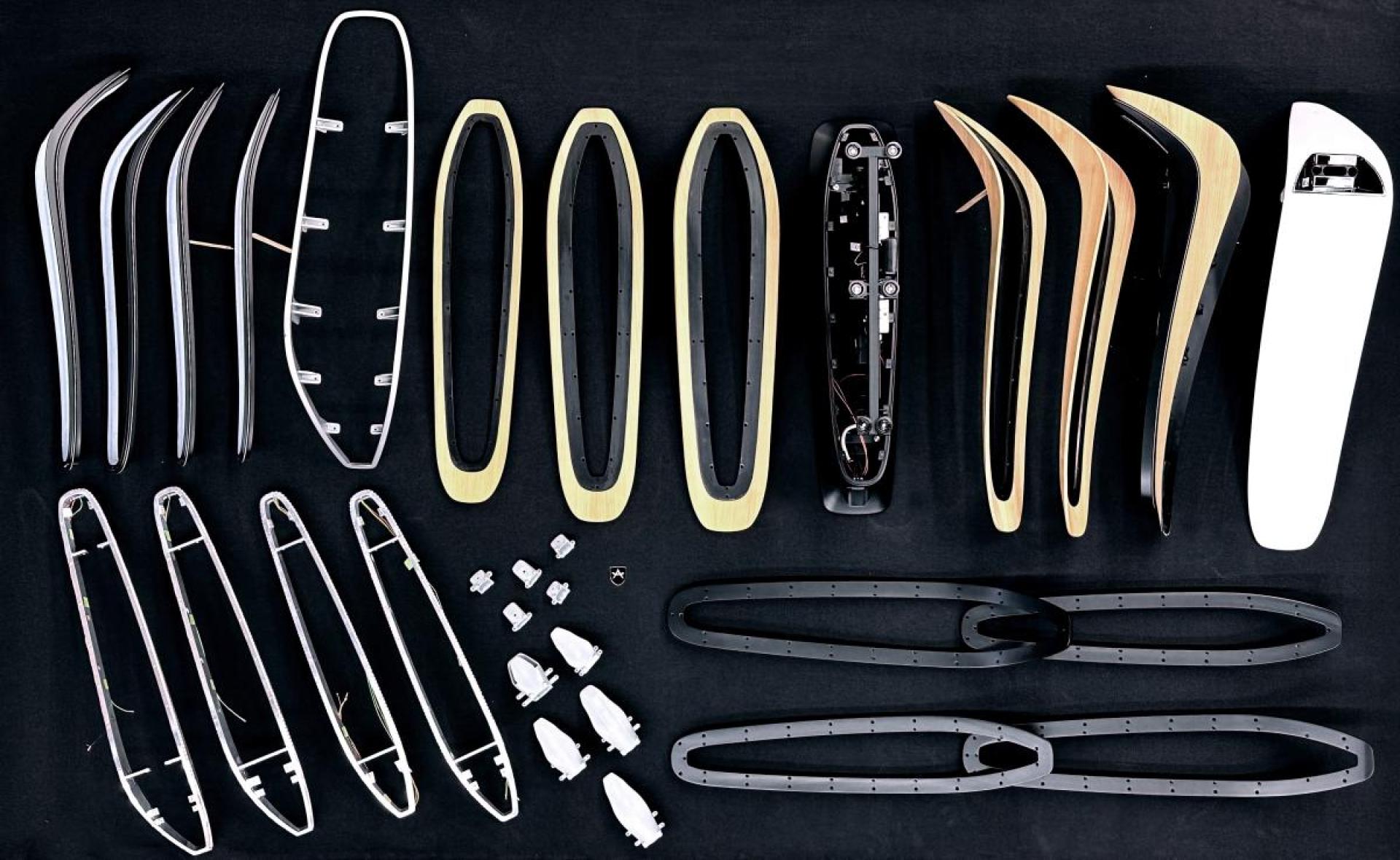
We also rigorously re-designed the form and mechanism of the console to merge aesthetics with engineering. Constructed using CNC aluminum and wood-wrapped 3D-printed components, the unit features a "stack" of curved panels. These panels serve a dual purpose: they act as visual indicators and mechanical airflow guides. Lower layers feature a gentle curve to direct air toward the leg area, while upper layers curve significantly to guide airflow upward to the body.
Feedback is provided through an LED array that reflects against the wood veneer, using color to indicate temperature and brightness to display wind intensity. Finally, the top surface is flattened and finished in genuine leather to function as a comfortable armrest while hiding the sensor array, ensuring technology supports the experience without intruding on the luxury aesthetic.
Credits

Entrant
Jhan Yuan Interior Design
Category
Interior Design - Studio

Entrant
Guangzhou GVL International Planning & Design Co.,Ltd.
Category
Landscape Design - Infrastructure Landscape

Entrant
Shen Zhen Black White Grey Communication Technology Co., Ltd.
Category
Product Design - Personal Care

Entrant
Torba Architects
Category
Interior Design - Clinic / Hospital Rooms