2026 | Professional

Shilong Living Heritage Regeneration System
Entrant
YUAN SONGHAO & DENG XIAOJIE
Category
Interior Design - Renovation
Client's Name
Jianchuan County Tourism Investment Development & Management Co., Ltd.
Country / Region
China
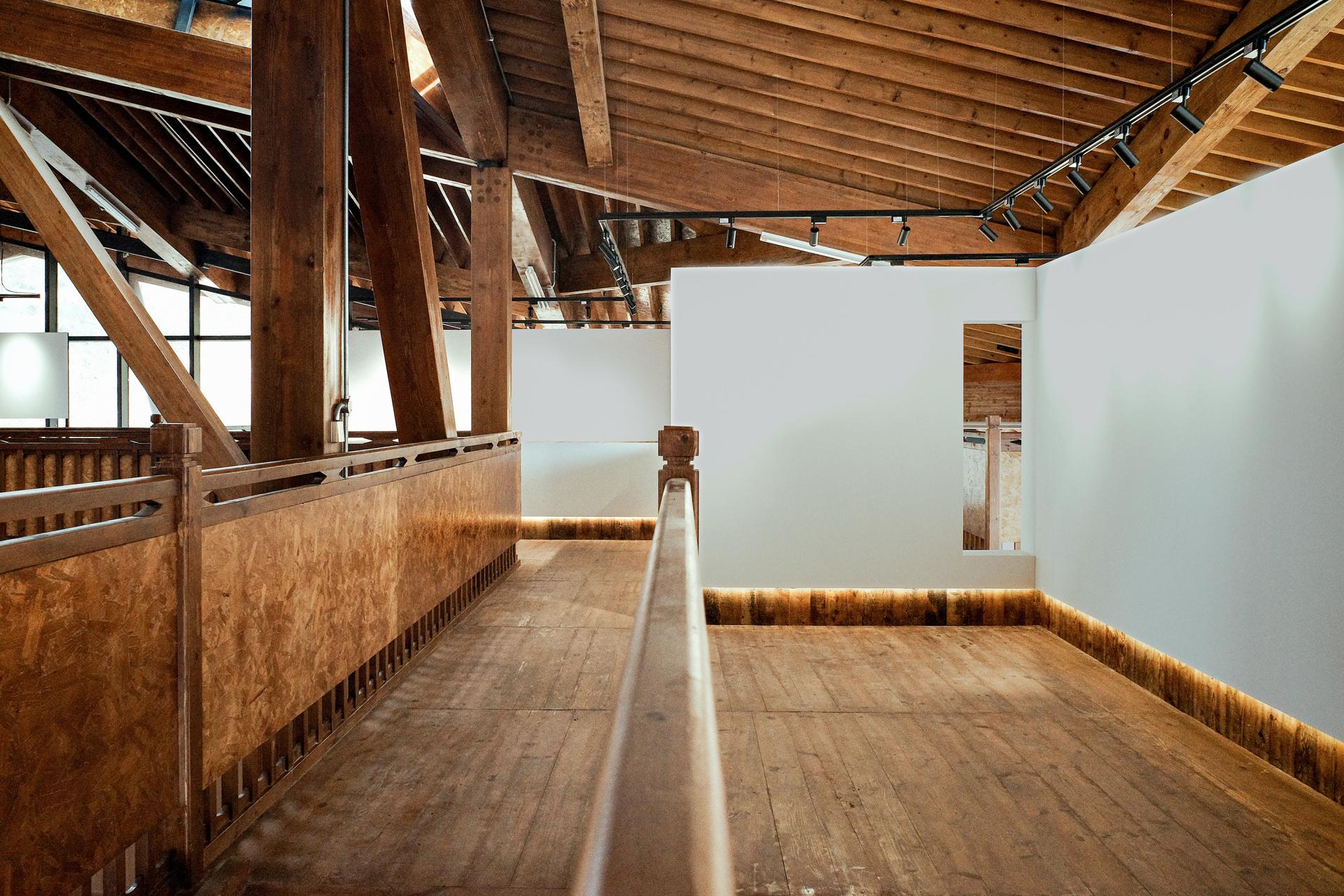
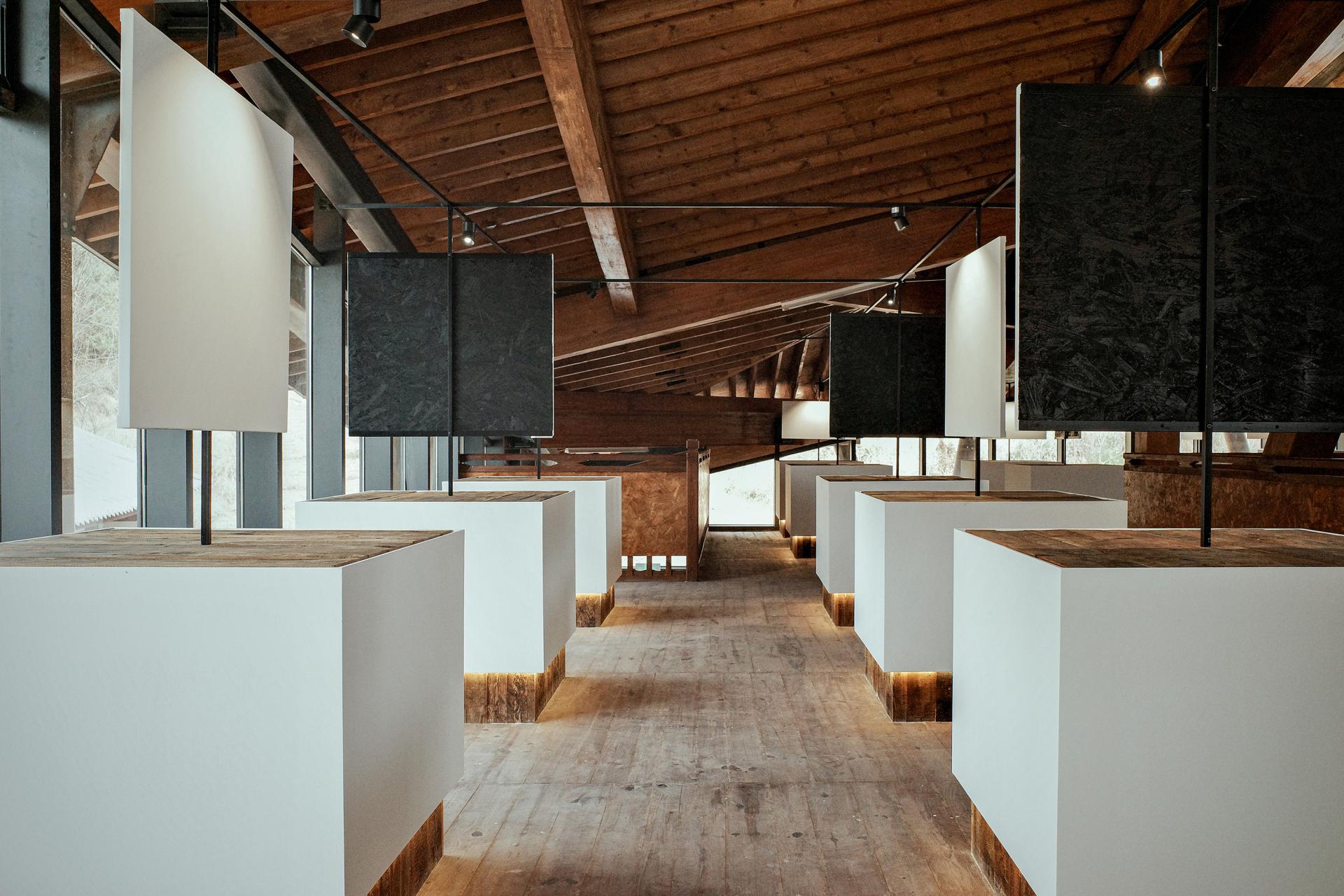
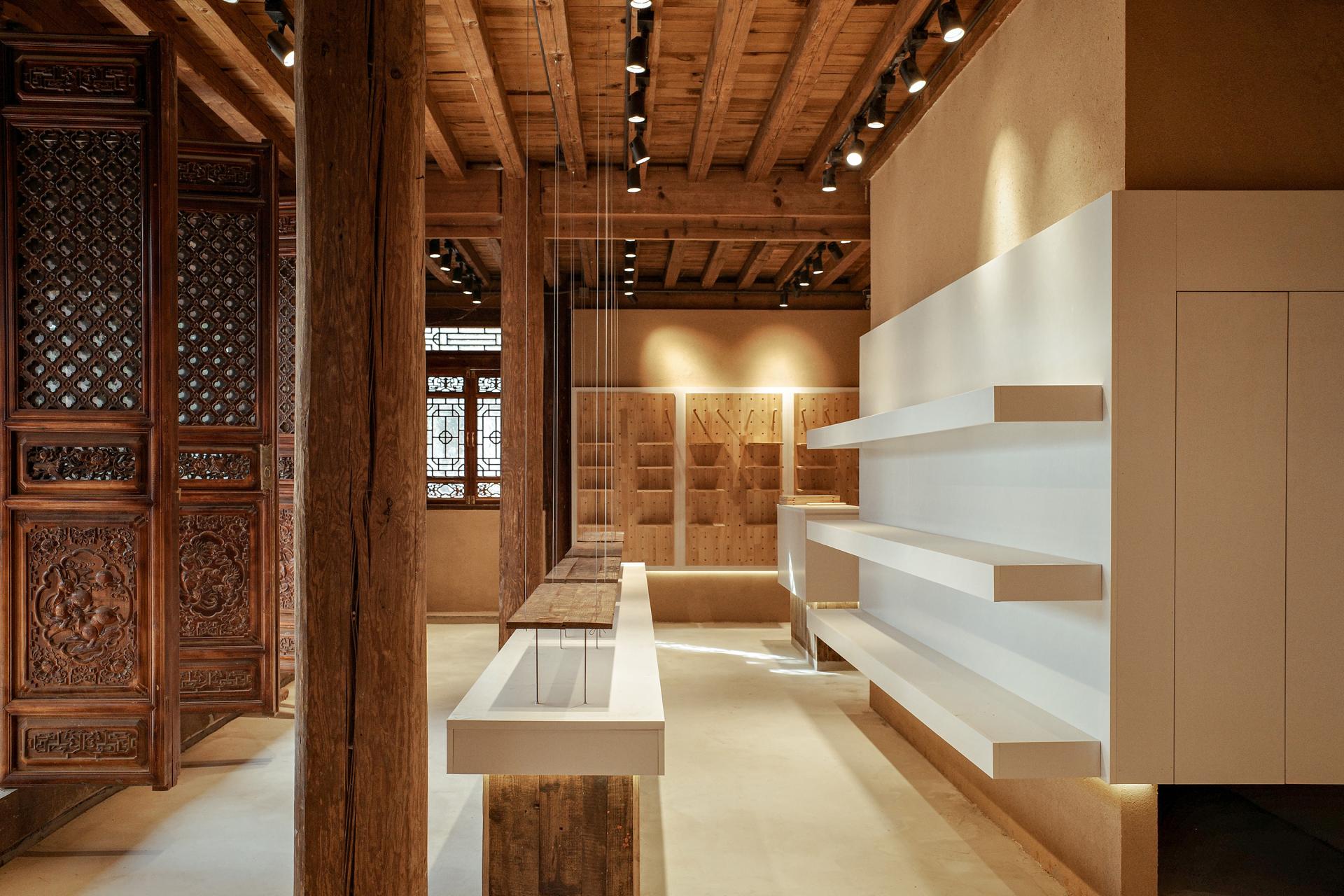
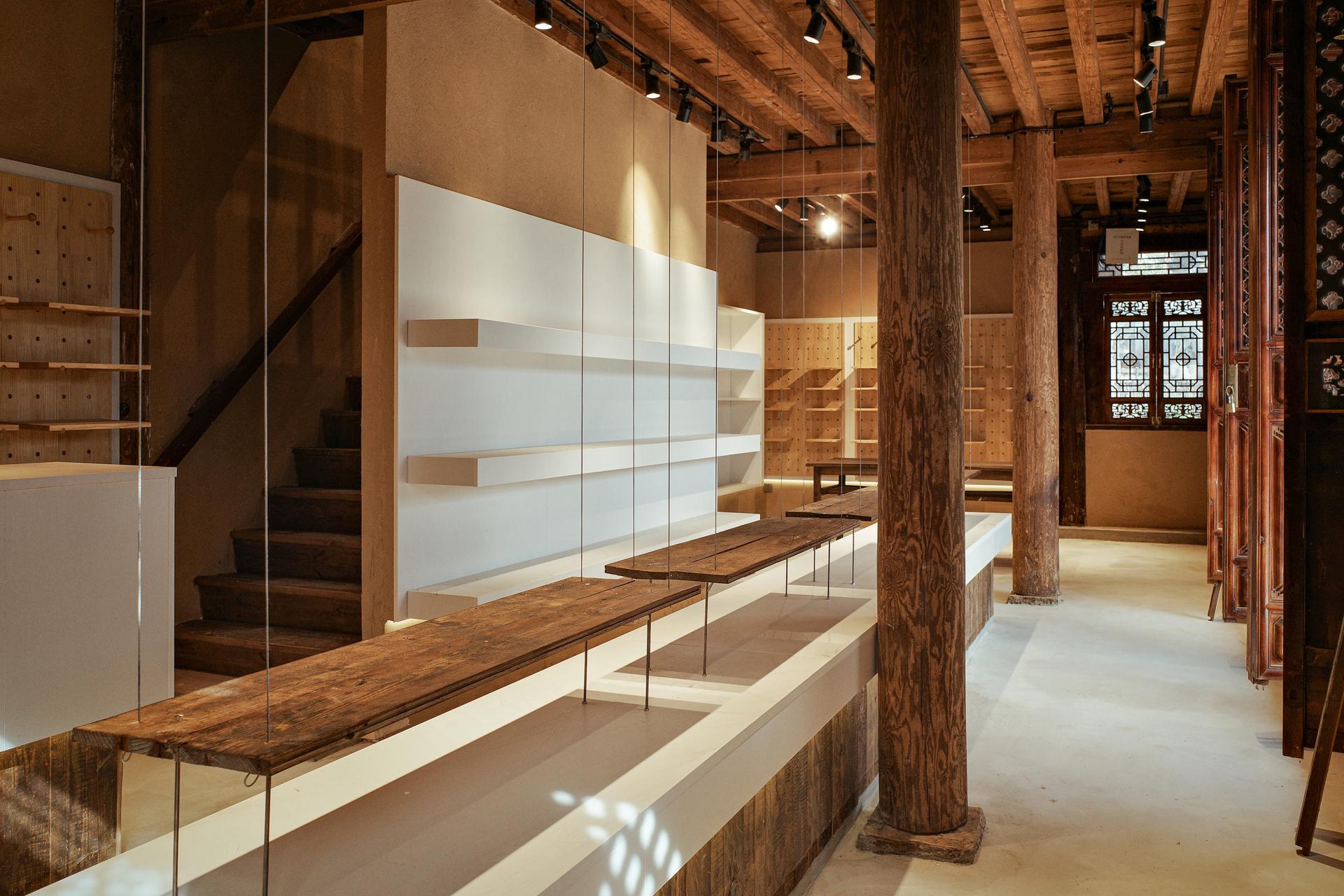
This project, located in Shilong Village, Dali, links cultural production to value realization through two spatial interventions: the Bawangbian Co-Creation Gallery and the Shilong Creative Cultural Hub.
Shilong Village preserves a complete Bai cultural system, yet its intangible heritage has long relied on festivals and performances, lacking stable platforms for exhibition and public participation. Rather than new construction, the project employs a minimally invasive rural renewal strategy, embedding sustainable spatial systems within existing buildings to transform culture from “being viewed” into “being produced and engaged with.”
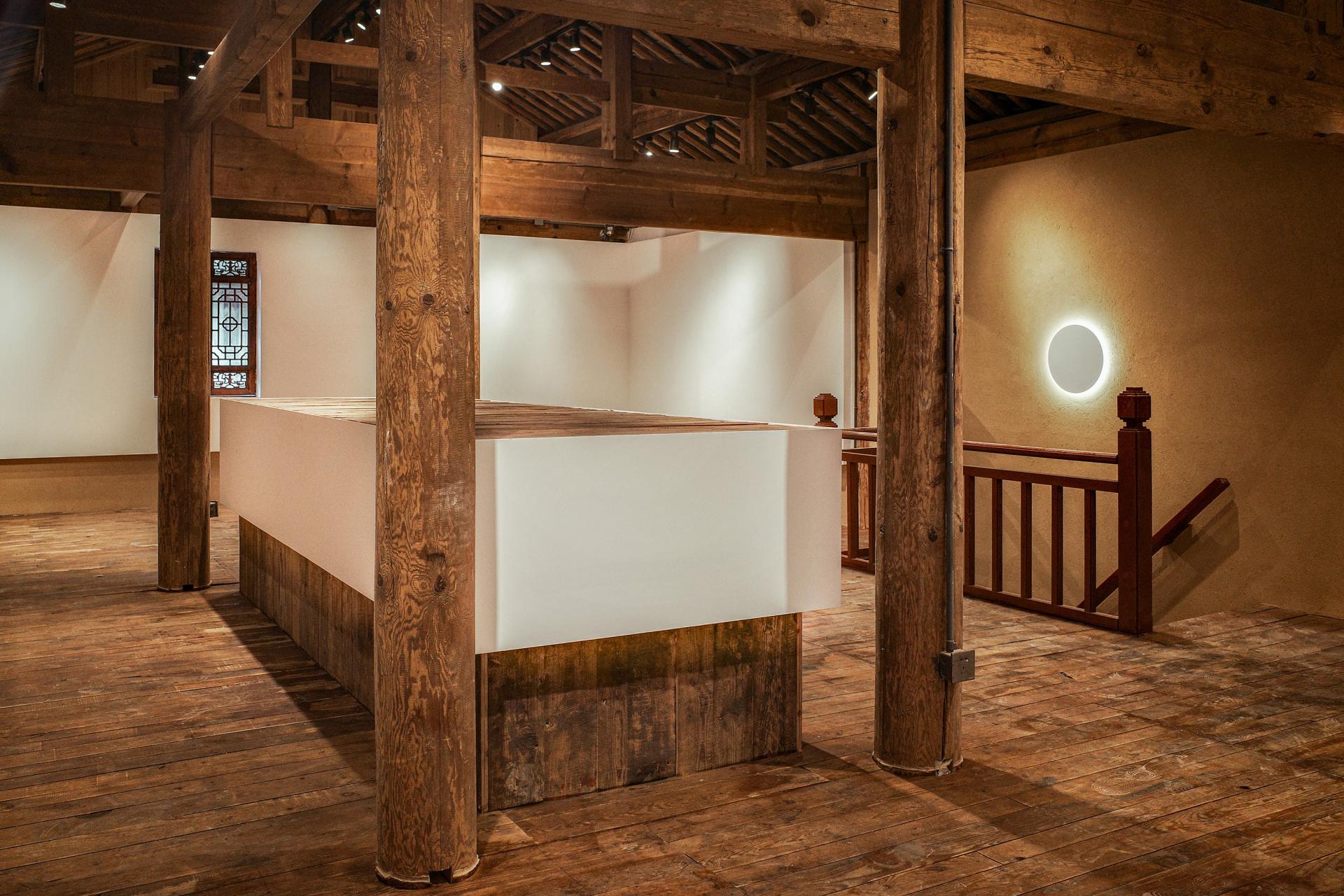
The Bawangbian Co-Creation Gallery exemplifies a low-cost, reversible exhibition system that transforms intangible heritage from static display into a dynamic co-creation platform. The space is organized into a dual system of Local Archive and Open Platform: the former presents a linear narrative to structure cultural understanding, while the latter uses modular display units to invite visitors and local creators enabling continuous content generation and co-creation. The exhibition system employs fully reversible structures, independently constructed with timber and light steel. All components can be disassembled and reconfigured, and the design integrates contemporary exhibition language with reclaimed wood from local abandoned buildings, emphasizing the material itself as a carrier of cultural memory. This approach achieves high-quality, adaptable spaces under resource constraints.
The Shilong Creative Cultural Hub revitalizes a Bai wooden residence through minimal intervention, introducing a gallery and a shop to reconstruct the cultural pathway of understanding—identification—transformation. The gallery provides an integrated view of village history and intangible heritage, while the shop translates culture into tangible, experiential, and consumable products. Together, they form a continuous spatial experience that extends visitor engagement and activates local economic flows. The design preserves the scale of traditional residences while implementing lightweight and modular systems, maintaining architectural authenticity.
The project’s key innovation lies in prioritizing system design over formal expression. By combining reversible structures, modular interfaces, and low-cost strategies, it converts resource limitations into a design driver, creating a sustainable, evolving cultural platform. It protects local cultural authenticity while linking cultural dissemination with economic activation, offering a replicable model for rural spatial regeneration.




Credits
Entrant
Xiang Dao Design
Category
Interior Design - Residential

Entrant
Guangzhou Weifu Trading Co., Ltd.
Category
Fashion Design - Bags

Entrant
AIDI Design & Build Sdn Bhd
Category
Interior Design - Residential

Entrant
Hello-Tech
Category
Packaging Design - Circular Packaging (NEW)