2025 | Student

Synfluent - Plant Synergy Ecological Intelligence Design
Entrant
ShanghaiTech University
Category
Conceptual Design - Green
Client's Name
Country / Region
Plant symbiosis is a mutually beneficial mechanism widely found in natural ecosystems and is of particular importance in the fields of agriculture and environmental restoration. However, this mechanism is often neglected in contemporary practice. Urban greening and home planting tend to favour ornamental design without considering ecological functions, while agricultural production tends to pursue high yields from monoculture, ignoring the value of species synergy in improving soil health, reducing pesticide dependence, and enhancing system resilience. How to find a balance between efficiency and ecology has become a key issue in green transformation.
Studies have shown that scientifically designed plant symbiotic combinations not only enhance soil quality and regulate microclimate, but also reduce the frequency of artificial interventions and promote sustainable ecological succession. Especially in the face of climate fluctuations and ecological degradation, the establishment of self-regulating micro-ecosystems is of great educational and practical value.
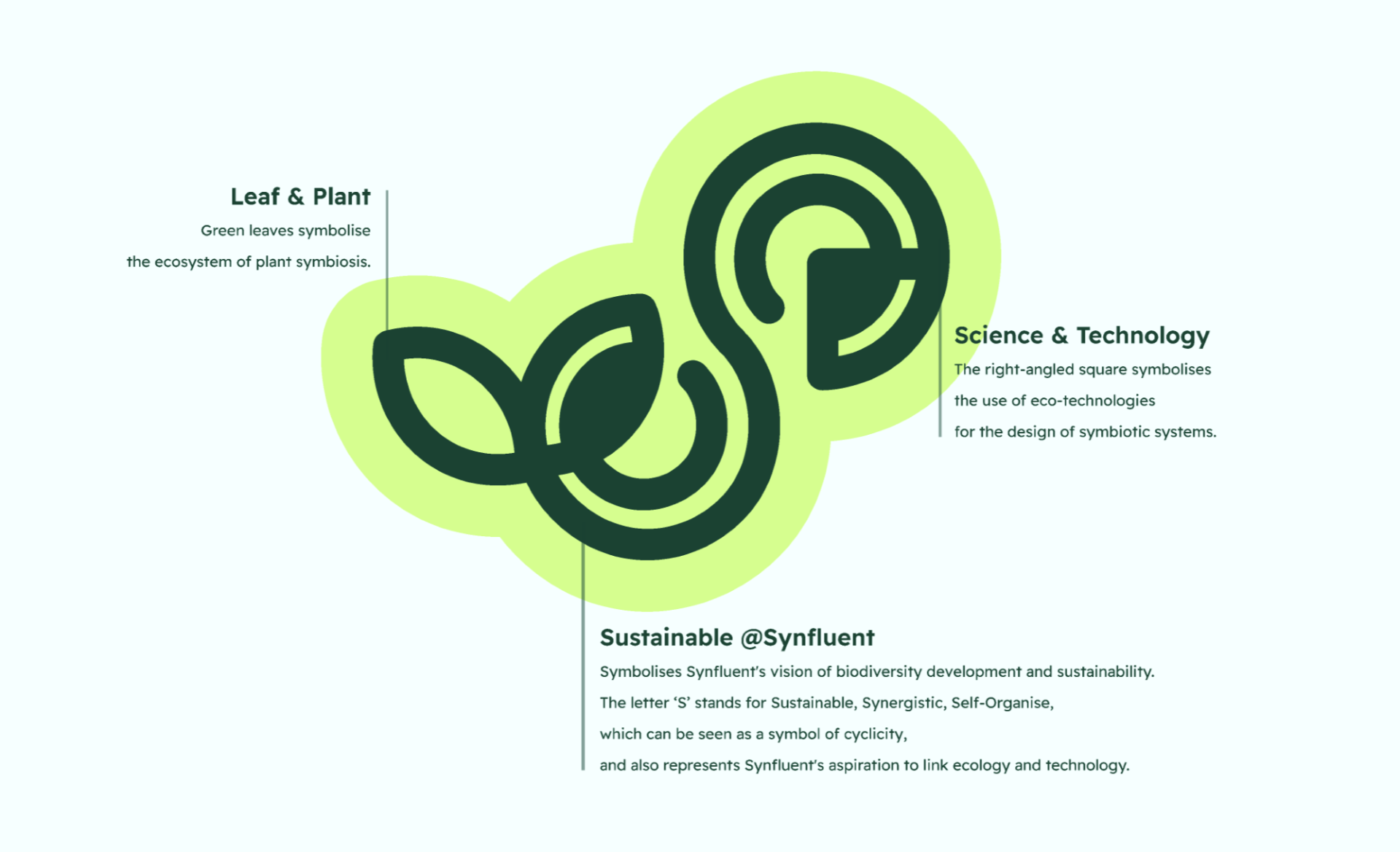
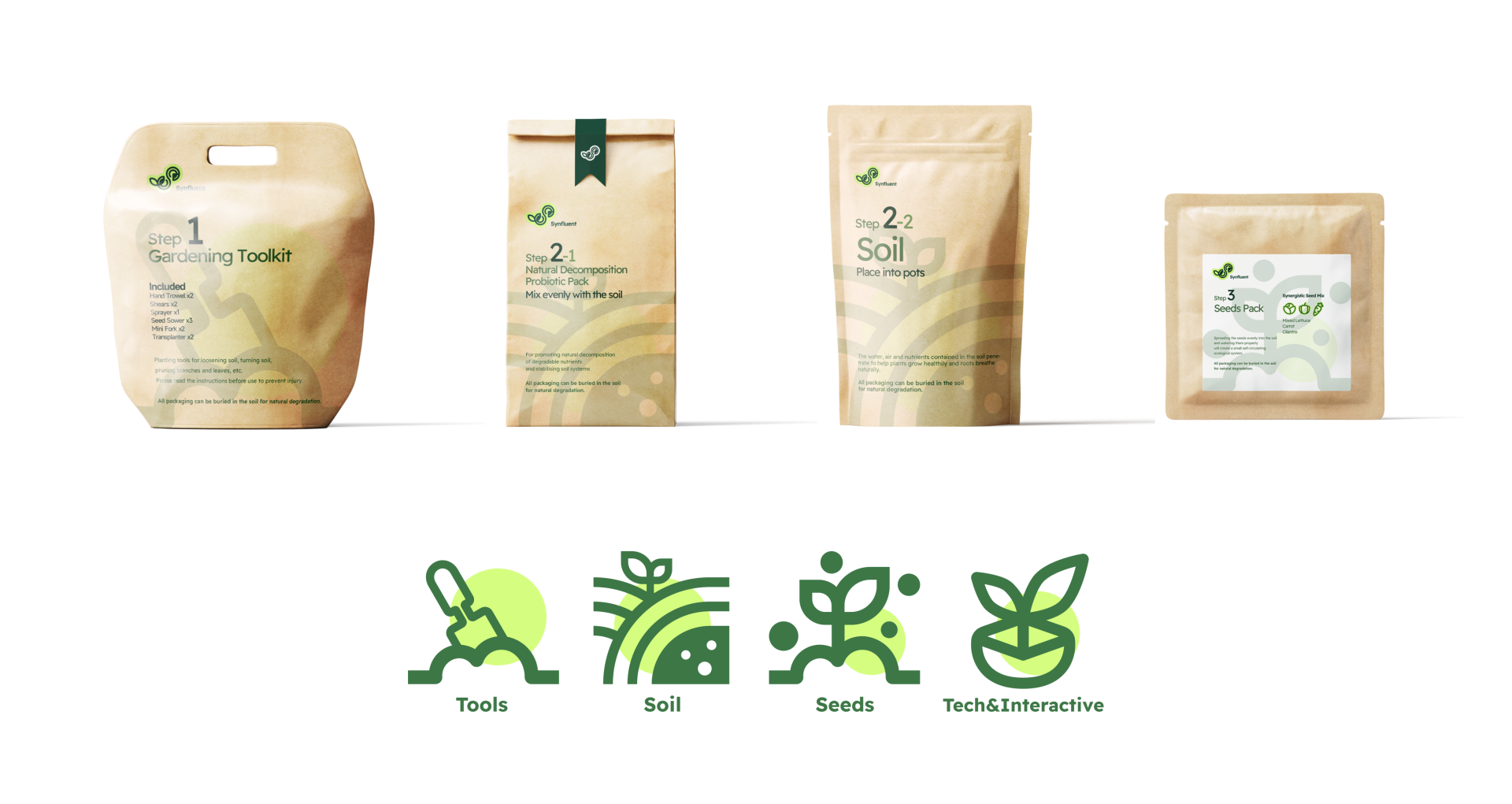
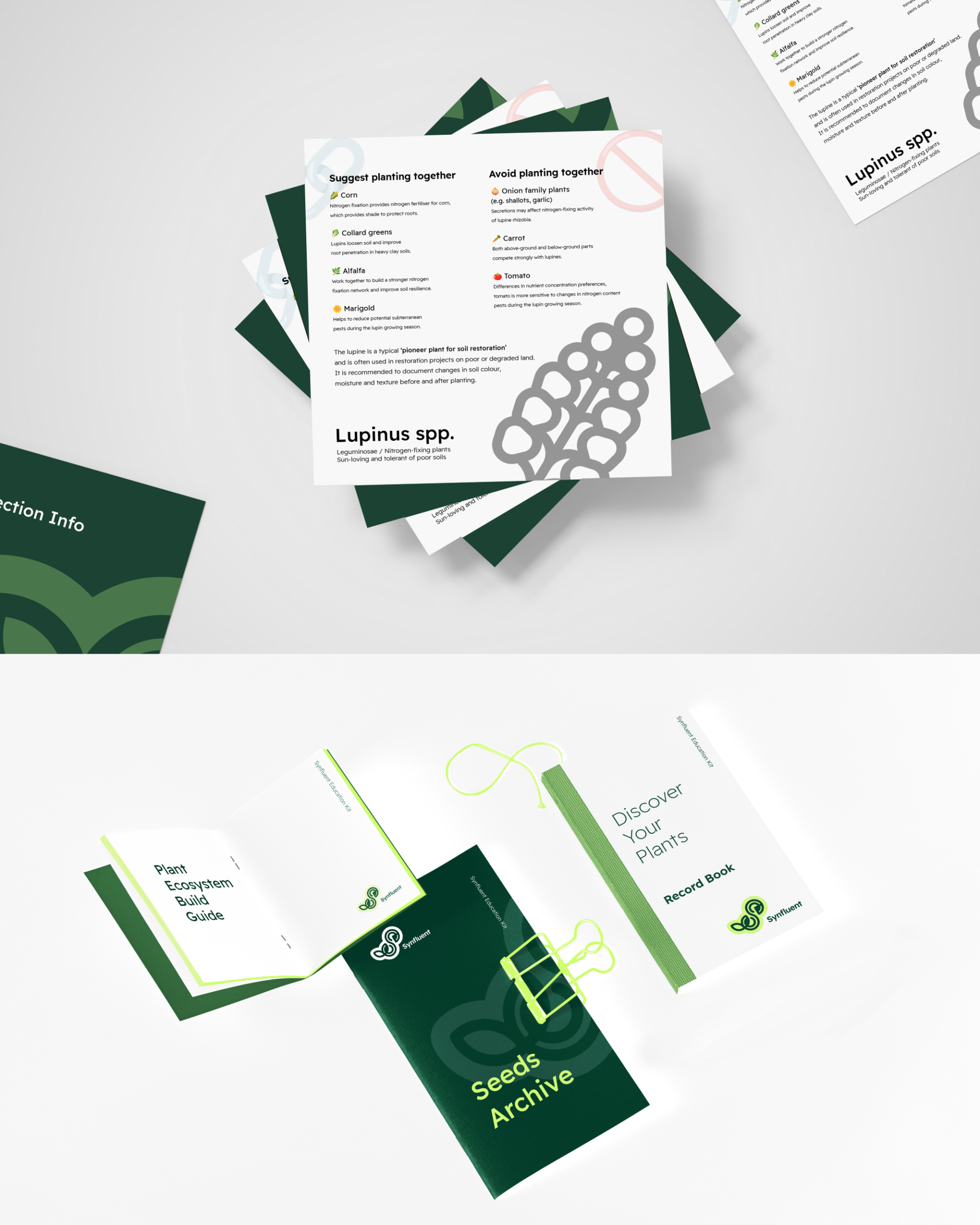
The Synfluent project aims to re-establish this ‘wisdom of inter-species co-operation’ in everyday life. Through a systematic study of the functional relationships between plants (e.g. nitrogen fixation and nitrogen demand, shade and moisture retention, leaf litter and nutrients), we have developed a modular and expandable ecological model of symbiosis that encompasses the dimensions of productivity, education and landscape.
"Where plants communicate, ecosystems thrive."


Credits

Entrant
Mojo Design Studio
Category
Interior Design - Residential
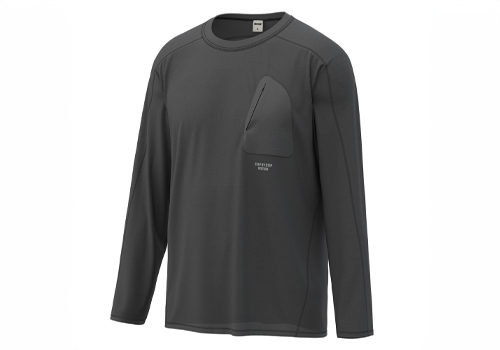
Entrant
Wuxi Lingluo Garment Technology Co., Ltd
Category
Product Design - New Category

Entrant
SWEET HOME
Category
Product Design - Textiles / Floor Coverings
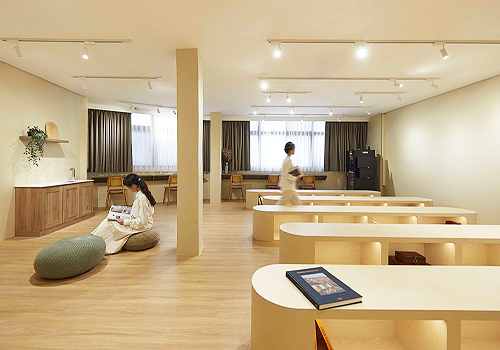
Entrant
June6th Interior Design
Category
Interior Design - Healthcare