2025 | Professional

Designer
Entrant
Biao Cao
Category
Architectural Design - Conceptual
Client's Name
-
Country / Region
United States
Gallery
About The Entry
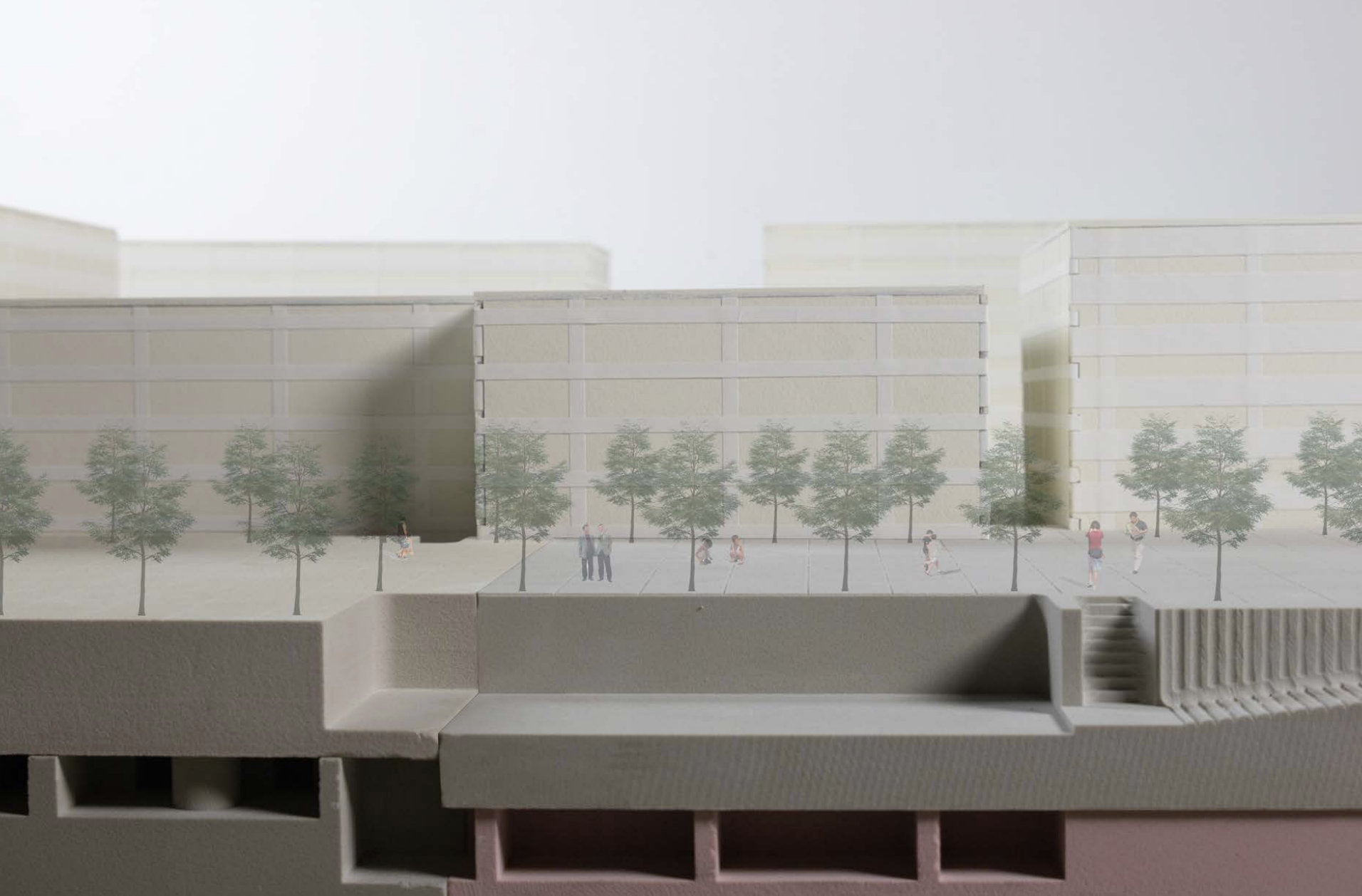
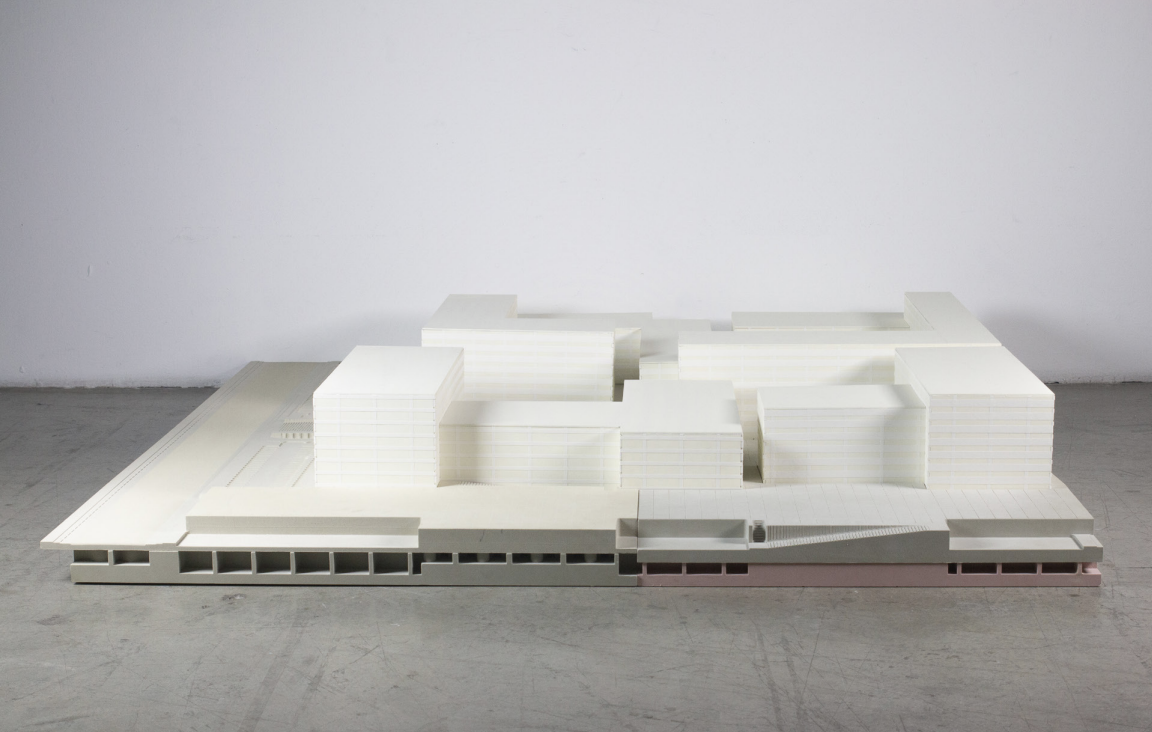
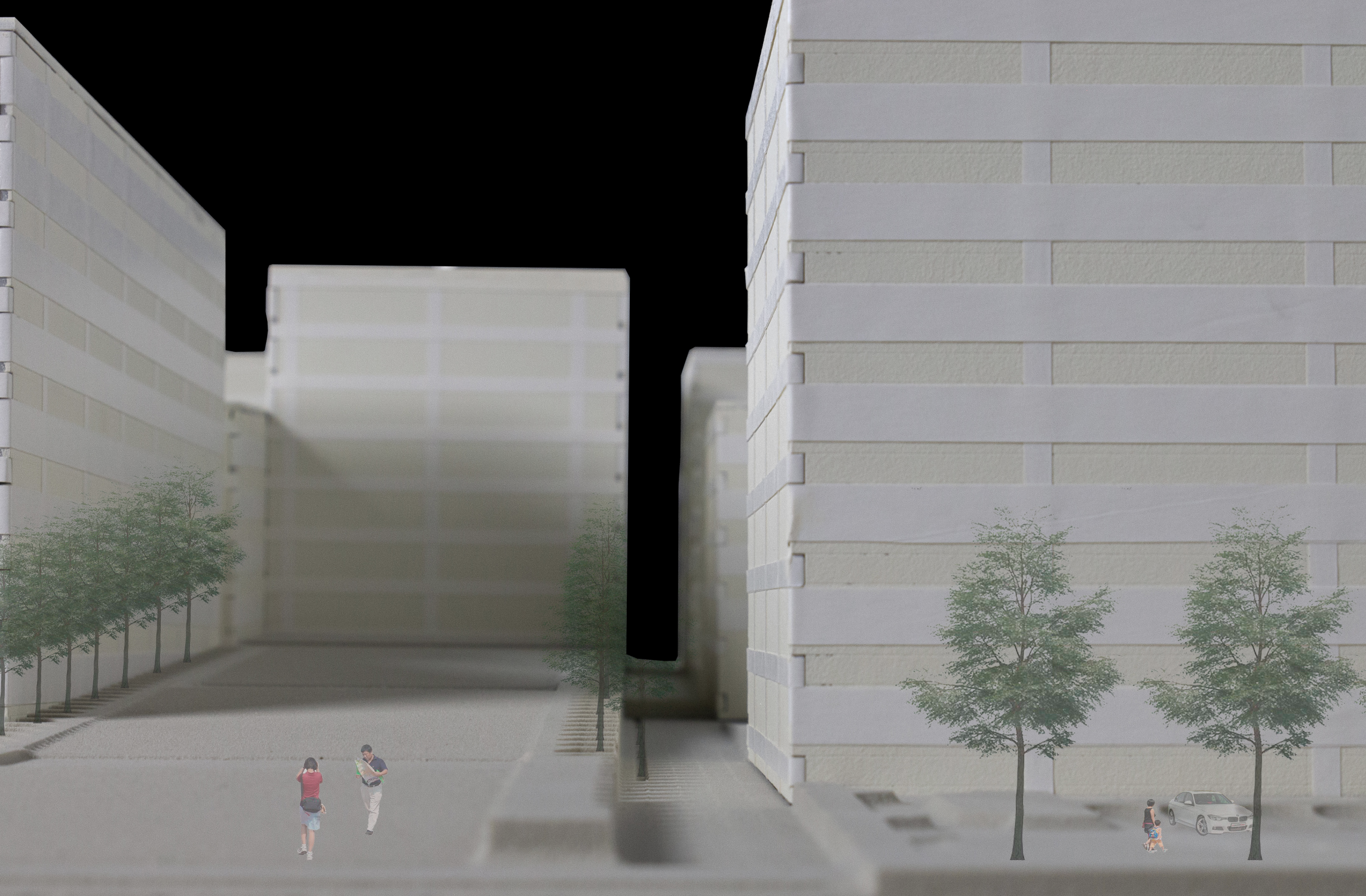
The project explores urban textures through the design of a campus as both an architectural and landscape project. A campus is more than a collection of buildings—it is a vital place that fosters community by providing a range of public and private spaces. When discussing the campus, it is essential to address both architecture and landscape, since buildings alone, whether in the city or countryside, cannot by themselves create a community.
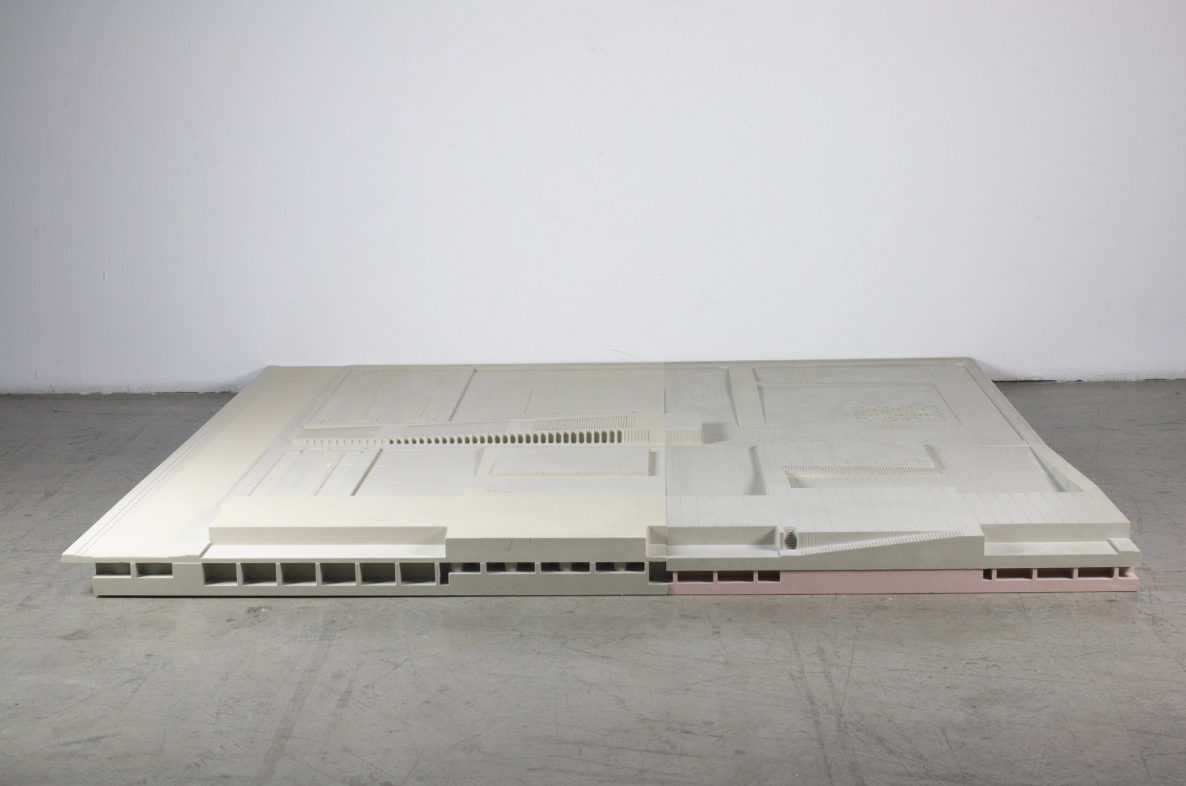
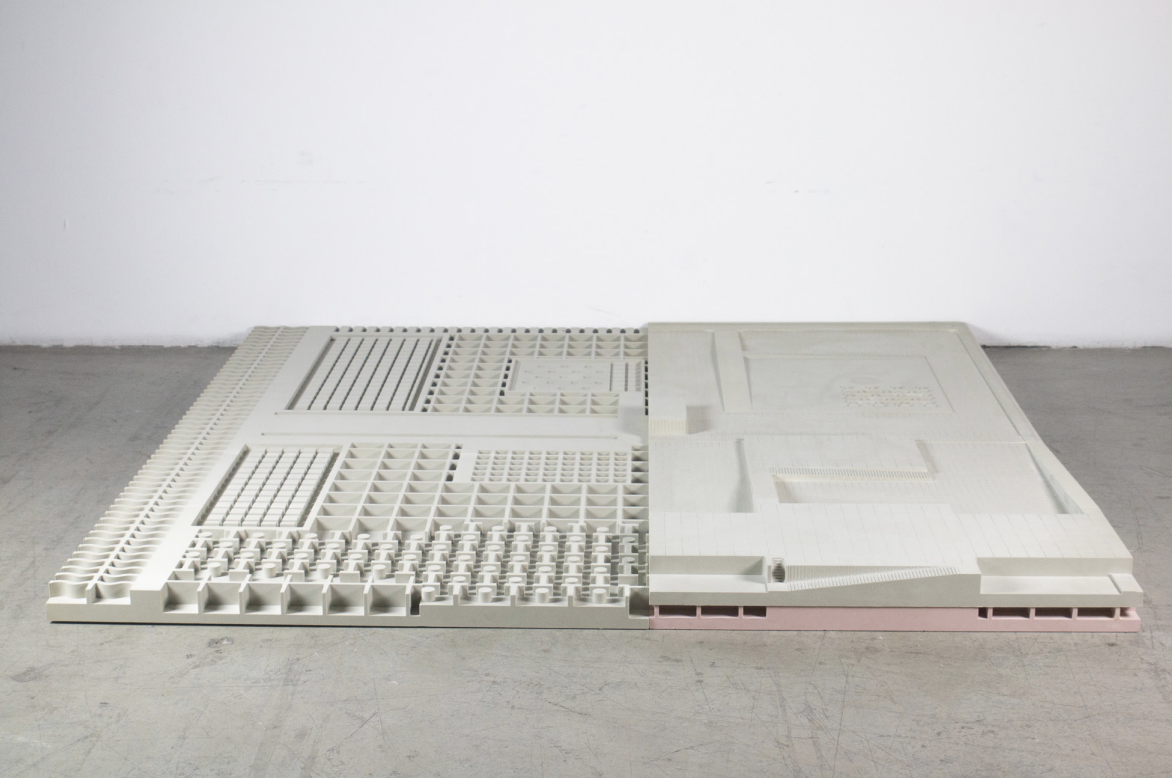
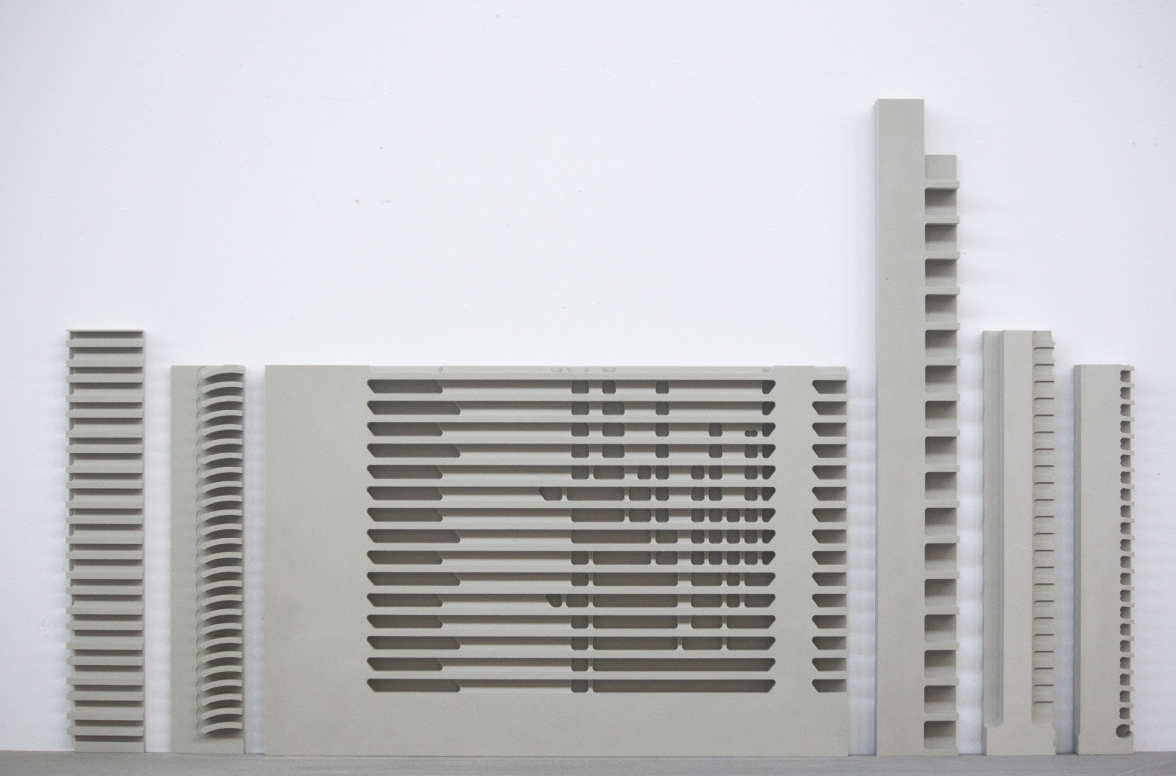
This project conceives the campus as a layered system of landscape and infrastructure. The landscape is composed of multiple textures, while new infrastructure is introduced to connect the buildings. Using CNC milling techniques, the design translates these layers into a physical model: each urban texture—landscape, infrastructure, and built form—is milled as a separate layer and stacked together. This process not only illustrates the diversity of urban textures in plan but also reveals their relationships in section, showing how they interact to form a coherent campus and community.
The conceptual foundation derives from Anni Albers’ geometric compositions. By altering scale and creating negative space, these simple geometries are reinterpreted as spatial frameworks for the campus. The design also draws inspiration from Shenzhen, a city often seen as a testing ground for new forms of urban life. Here, the campus becomes a microcosm of the city—an environment where people can live, work, and connect. It offers spaces for children to play and for parents to balance work with family life, cultivating a sense of belonging.
Unlike the rapid, vertical construction that often disregards site and infrastructure, this project proposes an alternative urban possibility. It preserves the low-rise scale of the past, re-engaging with the site as a critical design driver. Through this approach, the campus is envisioned not only as an academic institution but also as a prototype for community-making, where urban textures, landscape, and infrastructure work together to shape a more human-centered city.
Entrant
Shenzhen Huaji Culture Co., Ltd
Category
Furniture Design - Homeware / Decoration
Entrant
Kayson Chen
Category
Landscape Design - Sculpture Design
Entrant
ANDRES + PARTNER - Partnerschaft mbB für Lichtplanung
Category
Lighting Design - Architectural Lighting
Entrant
Yango University
Category
Packaging Design - Beauty & Personal Care