2026 | Professional

Yingge Vocational High School Japanese Culture Classroom
Entrant
Bomar design co., ltd.
Category
Interior Design - Educational
Client's Name
-
Country / Region
Taiwan
Gallery





About The Entry
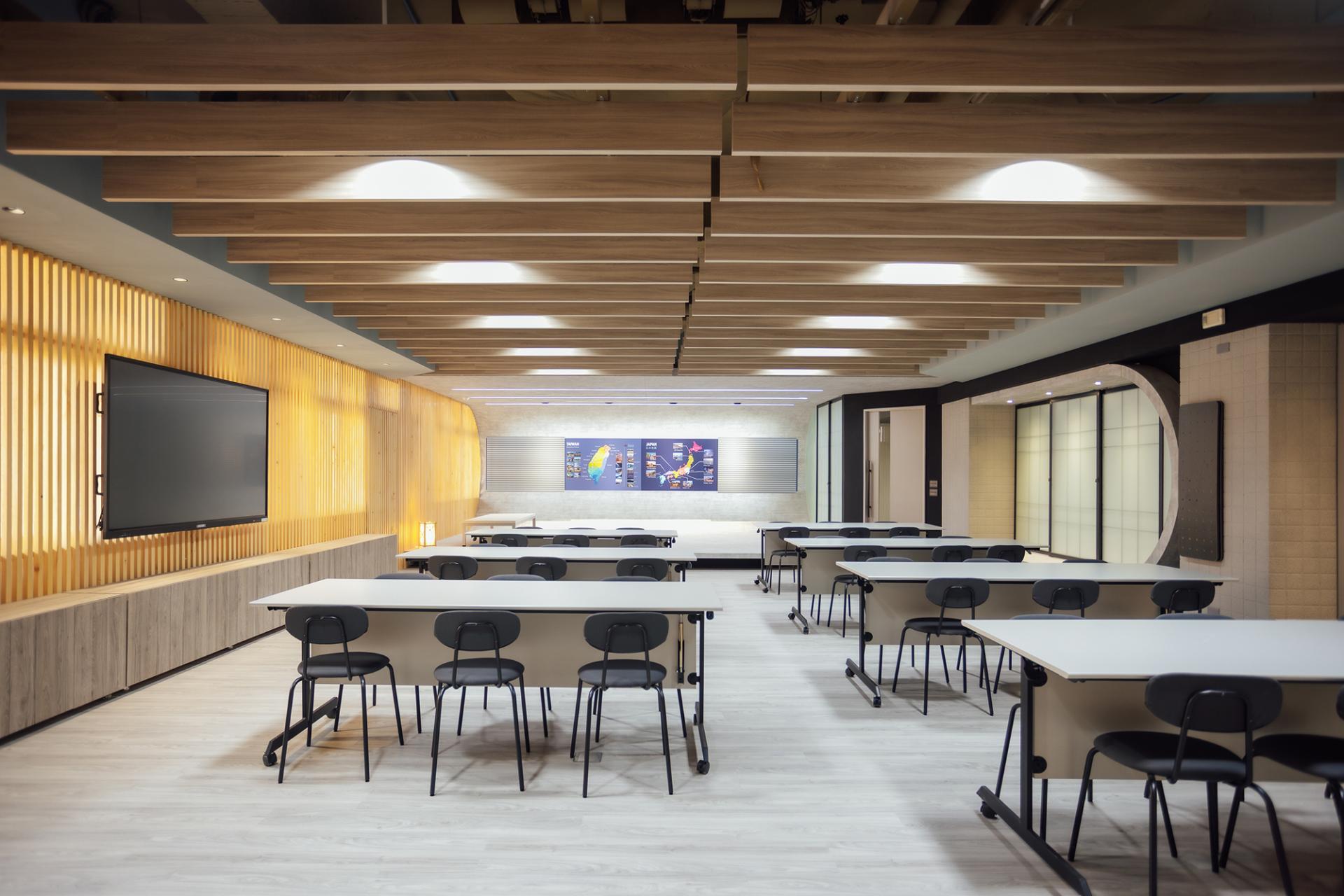
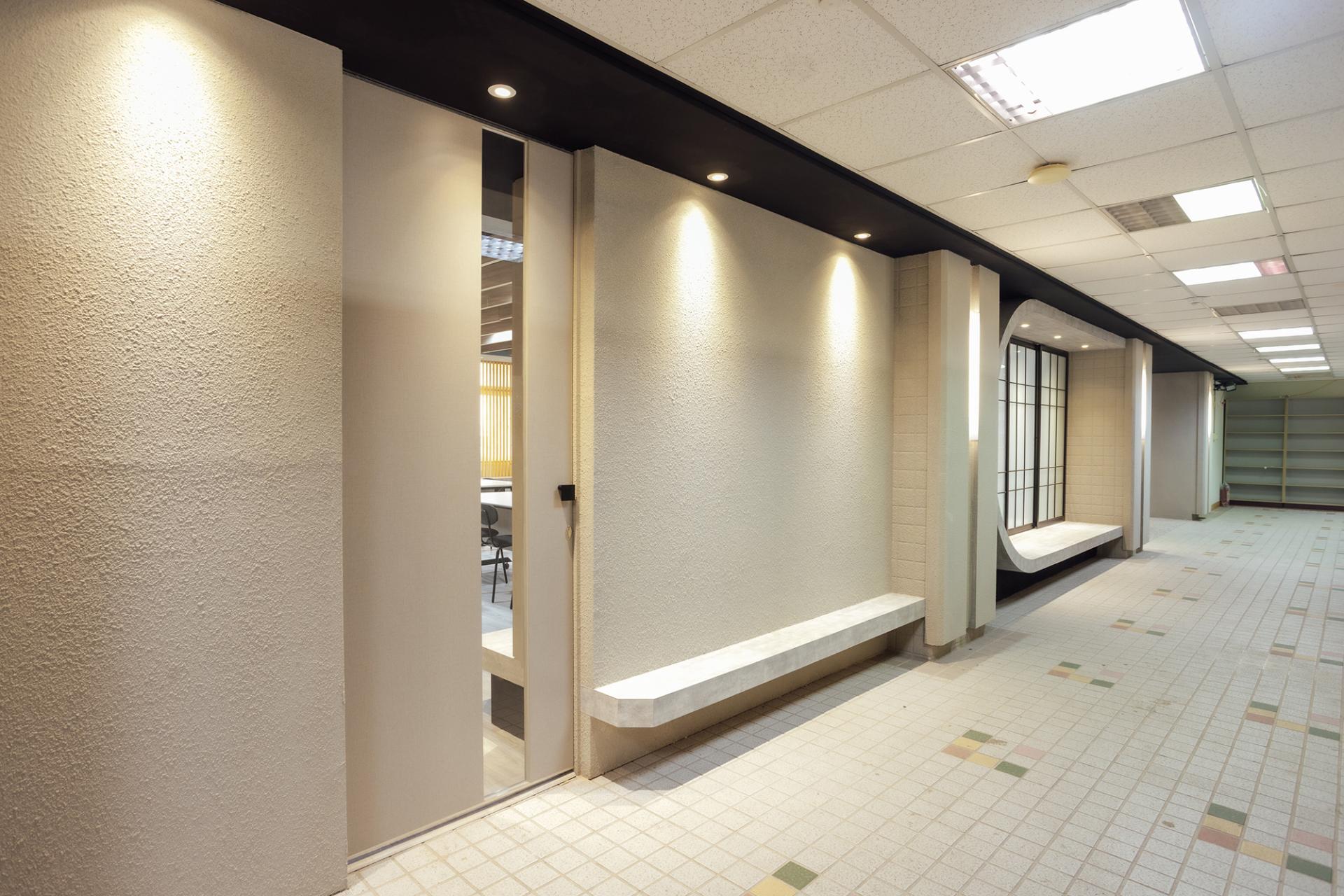
The project transforms a self-study room inside the campus library into a Japanese culture classroom spanning approximately 148.8 square meters. The original space was equipped only with basic tables and chairs; while suitable for reading, it was ill-fitted for cultural exhibitions, immersive experiences, and versatile teaching methods. The school therefore sought to create an environment dedicated to learning Japanese culture from the ground up, allowing the language to extend beyond textbooks and connect directly with cuisine, etiquette, and lifestyle.
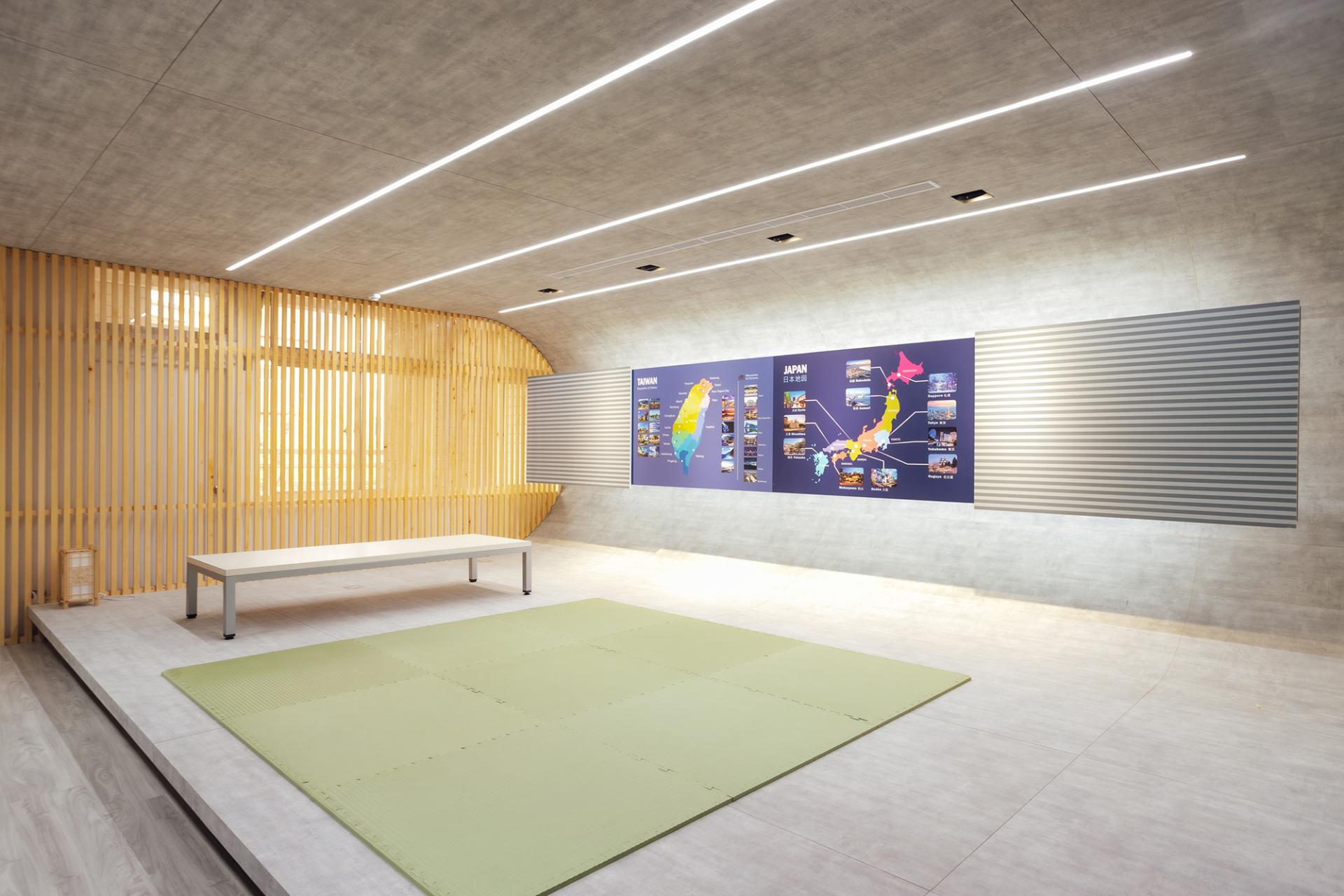
Centered around the concept of a "knowledge capsule," the designer integrated traditional Japanese design elements, exhibition content, and instructional functions into the layout. This design transforms the space into a vessel for knowledge, culture, and imagination, opening a new gateway for students to experience a foreign culture.
Before entering the classroom, the entrance steps back inward, combining with pebble-wash flooring to create a buffer zone reminiscent of the forecourt in a traditional Japanese residence. As students arrive from the campus corridor, they pass through this recessed area before stepping into the main instructional space. The transition in entrance scale and flooring material clearly demarcates the corridor from the classroom, guiding users through a gradual transition from a standard campus environment into an immersive Japanese cultural learning setting.
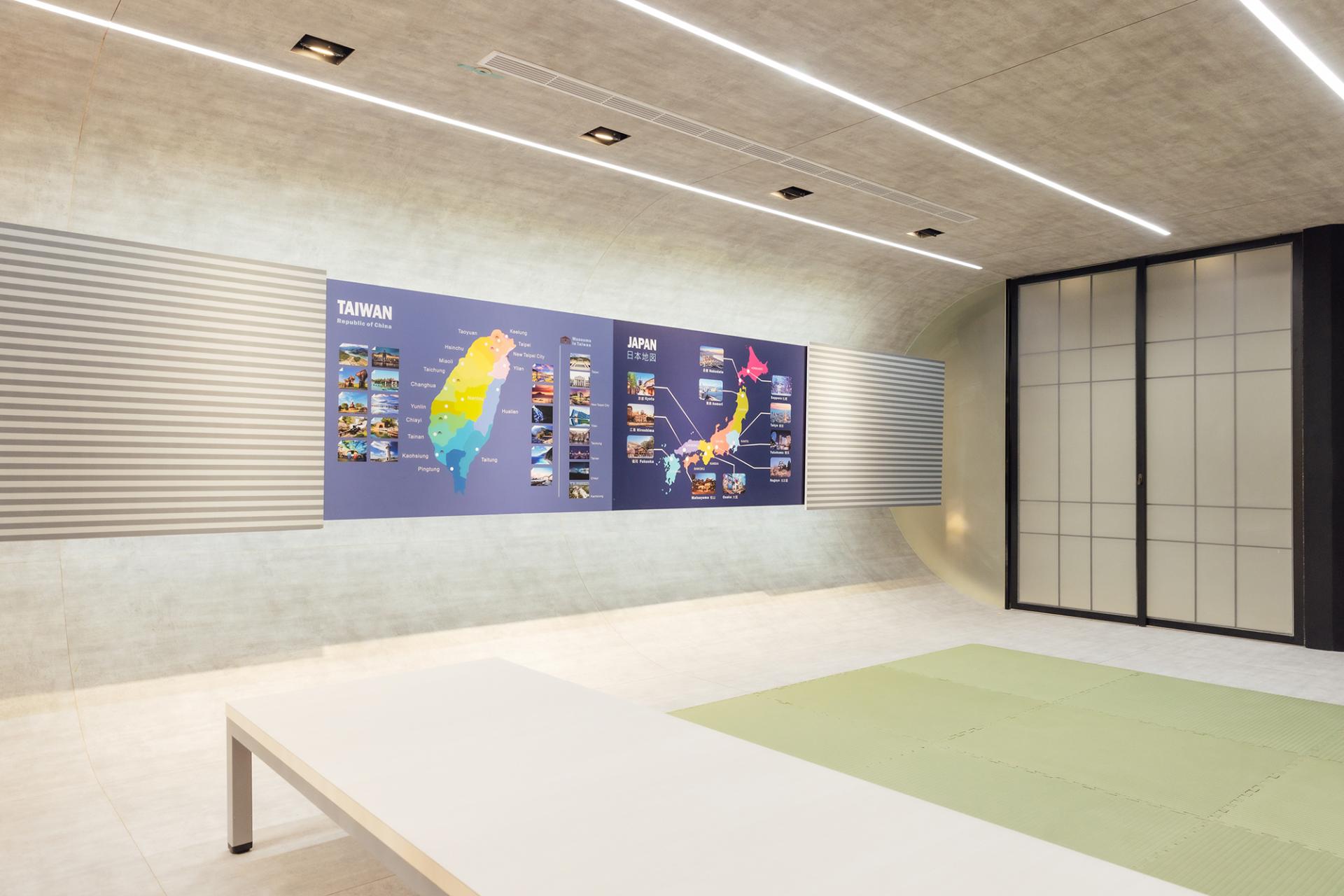
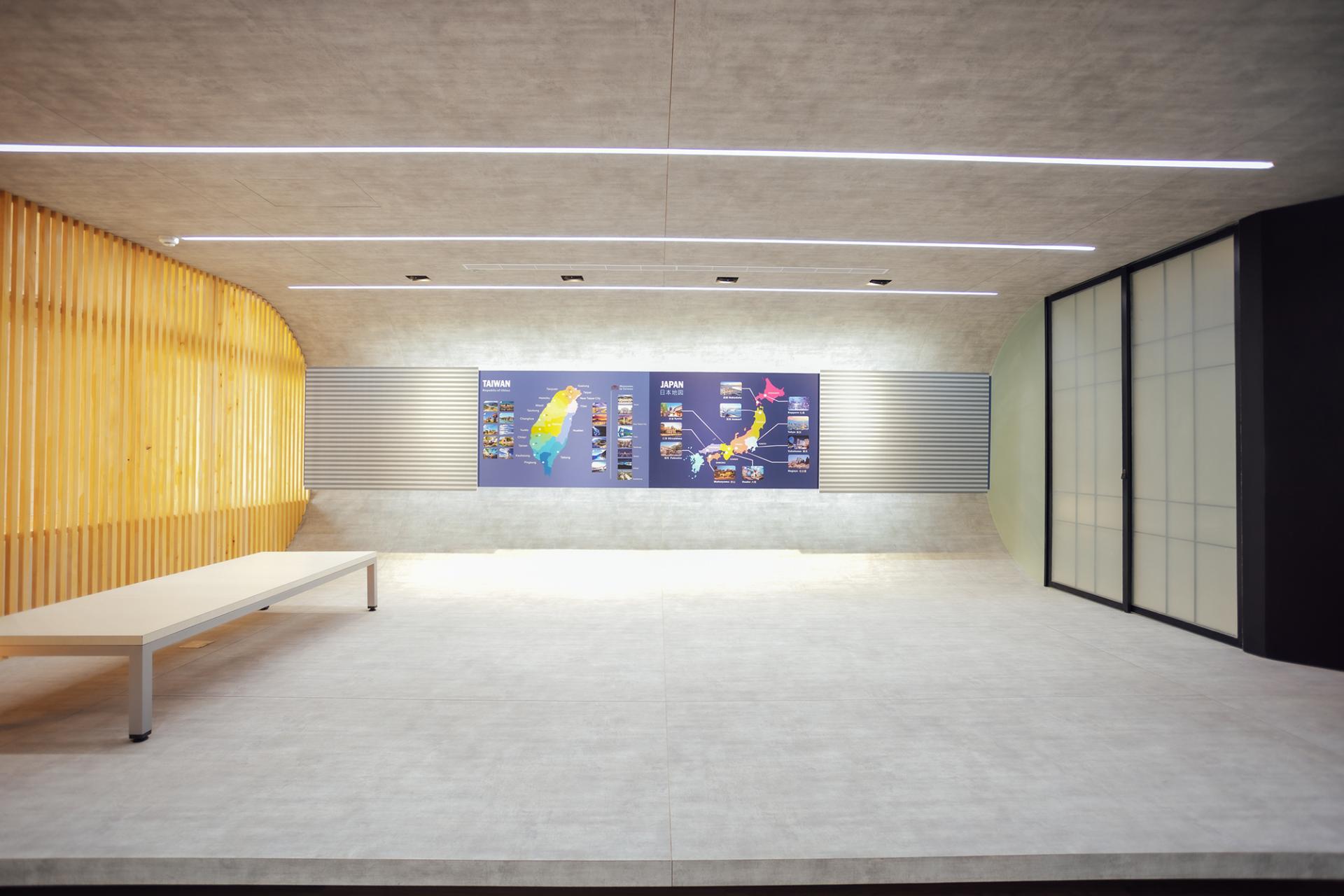
The designer observed that etiquette in Japanese culture consists not of abstract rules, but of daily movements such as opening sliding doors, sitting down, and walking. Thus, rather than merely displaying Japanese stylistic symbols, the space translates etiquette into hands-on learning experiences. Students interact with secret doors inspired by ninja houses (ninja yashiki) and dual-sided Taiwanese-Japanese cultural display panels, practice formal kneeling (seiza) and tea ceremony on elevated platforms, and navigate paths defined by the recessed entrance and wooden screens. Through every act of opening and closing doors, taking a seat, and moving through the room, students gradually come to understand the respect for boundaries, order, and consideration for others inherent in Japanese culture.
Entrant
Suzhou Laihelai Cleaning Technology Co., Ltd.
Category
Product Design - Lifestyle
Entrant
The Hong Kong Polytechnic University, Campus Development Office, Design Team
Category
Interior Design - Educational
Entrant
E.HO Interior Design CO.Ltd
Category
Interior Design - Residential
Entrant
Han Bao
Category
Product Design - UX / UI / IxD