2026 | Professional

A Century of Imagined Places
Entrant
Cultural Affairs Bureau of Hsinchu
Category
Conceptual Design - Exhibition & Events
Client's Name
-
Country / Region
Taiwan
Gallery


About The Entry
Reactivating a Century of Memory: Transforming a Historic Museum into a Living Platform for Urban Knowledge
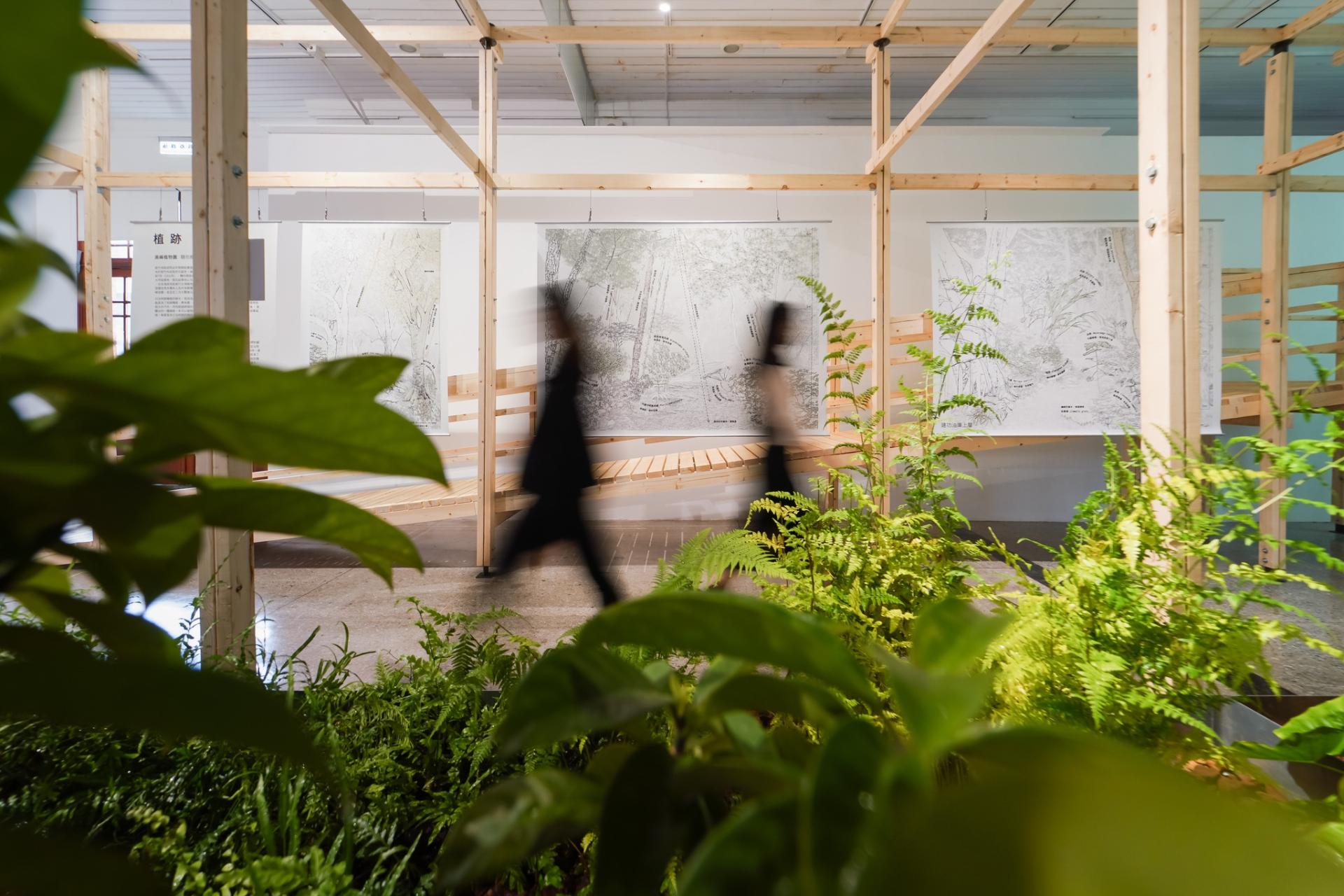
This exhibition reimagines the century-long history of the Hsinchu City Art Museum—originally the Hsinchu City Hall—as a living platform where art, history, ecology, and education converge. Rather than preserving heritage as a static monument, the project transforms the historic building into an active cultural interface that connects memory with contemporary urban life.
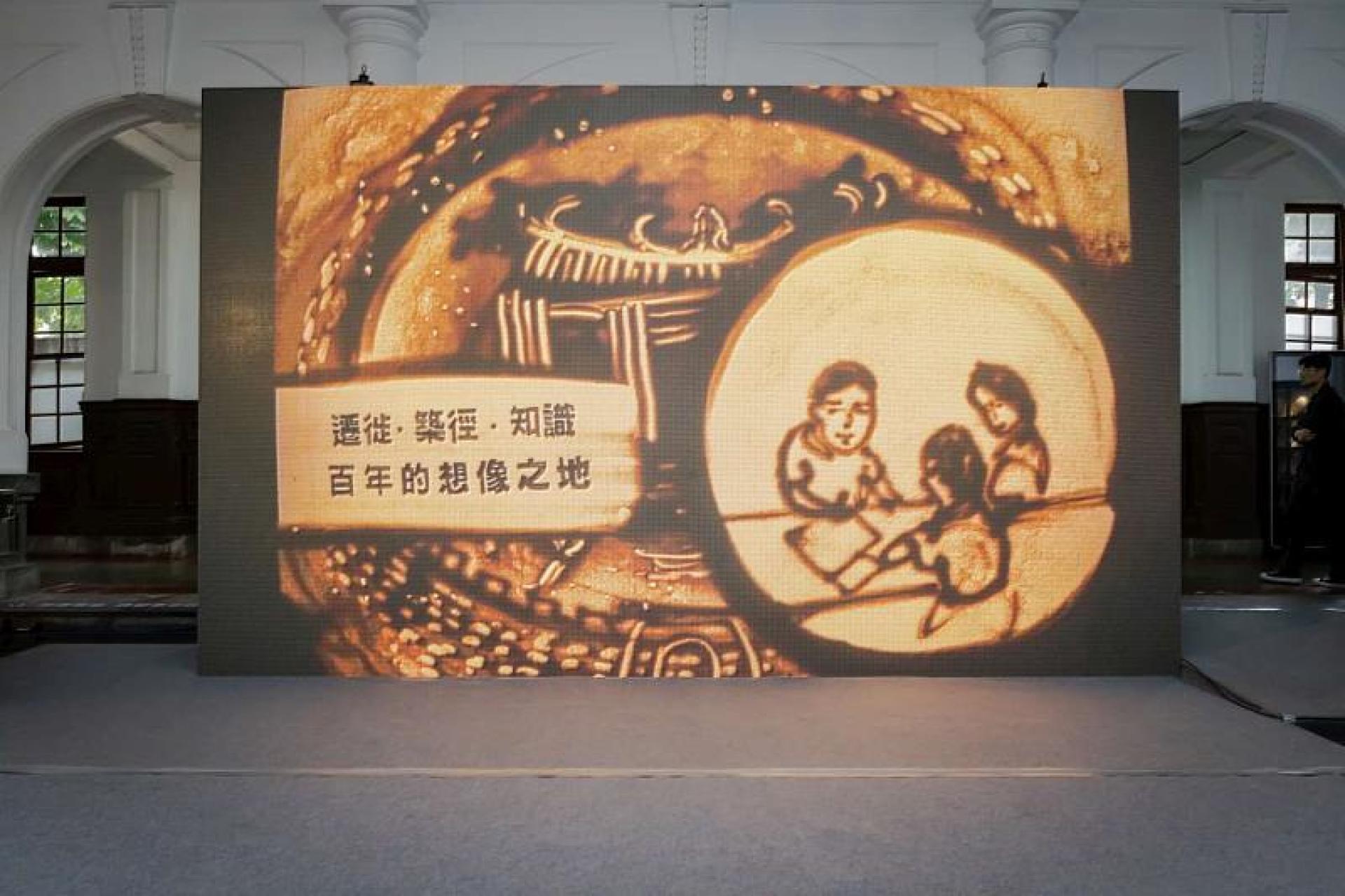
Structured around three interconnected themes—Migration, Paths, and Knowledge—the exhibition integrates field research, landscape mapping, botanical and sound archives, oral histories, and artistic collaboration to reveal how Hsinchu has been continually shaped by the movement of people, species, technologies, and ideas. These interdisciplinary approaches encourage visitors to rediscover overlooked relationships between place, environment, and everyday experience.
The exhibition also establishes an evolving "landscape database" comprising historical maps, soil samples, plant records, environmental sounds, and community narratives. Rather than presenting knowledge as fixed, the project promotes participation and co-creation, allowing research to circulate beyond the gallery through publications, education, and public engagement.
A defining innovation is that the exhibition extends far beyond the museum. It inspired the creation of an educational guidebook that transforms the exhibition into a citywide learning experience. Using the publication, students follow the footsteps of earlier generations, explore historical landmarks, and discover Hsinchu's cultural heritage through firsthand observation. By connecting exhibition content with urban exploration, the project creates a lasting educational resource that continues to engage young audiences after their museum visit.
Highlighting a century of environmental and urban transformation—from shifting rivers and coastlines to industrial development—the exhibition positions art as a catalyst for reflection and civic dialogue. Ultimately, it demonstrates how exhibition design can integrate heritage, research, education, and community participation into a unified design ecosystem. The museum becomes more than a repository of history; it evolves into a generator of knowledge, a platform for public engagement, and a catalyst for imagining the future of the city.
Featured Media
Credits

Entrant
SHENZHEN WOODY VAPES TECHNOLOGY CO., LTD
Category
Product Design - Digital & Electronic Devices

Entrant
Beijing Infii Space Interior Design C.,LTD
Category
Interior Design - New Category
Entrant
Haobo Hu
Category
Interior Design - Commercial

Entrant
Hei Design Interiors
Category
Interior Design - Residential